English
 中文简体
中文简体 русский
 Español
News

CALL OUR OFFICE
+86-13606731195 (Mr. Xu)
How Does a FIBC Liner Bag Protect Bulk Goods During Shipping?
Flexible Intermediate Bulk Container (FIBC) liner bags — also called ton bag liners or bulk bag liners — are inner bags inserted into woven polypropylene FIBC bulk bags to provide a secondary containment layer that the outer woven bag alone cannot deliver. For buyers sourcing FIBC liner bag making machines or procurement managers specifying liner bags for bulk goods shipment, understanding the specific protection mechanisms that liner bags provide is the starting point for selecting the right liner specification for a given product and shipping condition.
What Is an FIBC and Why Does It Need a Liner?
An FIBC — commonly known as a bulk bag, big bag, or ton bag — is a large woven polypropylene bag designed to hold 500 to 2,000 kg of dry bulk materials such as chemicals, resins, minerals, food ingredients, construction materials, and agricultural products. The woven PP outer bag provides the structural strength to contain the weight and withstand the physical demands of filling, handling, and transport.
However, the woven polypropylene structure has limitations that make it unsuitable on its own for many bulk products:
- The weave has gaps between fibers that allow fine powders to sift through, creating product loss and dust contamination hazards
- The woven structure is not a moisture barrier — humidity and condensation can penetrate and affect hygroscopic products (those that absorb moisture from the air)
- The woven PP provides no barrier against oxygen, which can degrade sensitive chemical or food products during shipping and storage
- Contamination from the bag material or the external environment can affect food-grade and pharmaceutical-grade products
A liner bag inserted into the FIBC addresses all of these limitations, transforming the standard bulk bag into a sealed, protected containment system appropriate for a much wider range of products.
The Six Protection Functions of an FIBC Liner Bag
1. Dust and Fine Powder Containment
For fine powder products — cement, flour, chemical powders, minerals with particle sizes below 100 microns — an unlined FIBC allows product to sift through the weave gaps during vibration in transit, resulting in product loss, external contamination, and potentially hazardous dust generation. A sealed PE liner bag inside the FIBC creates a continuous film barrier that prevents any powder from contacting the woven PP structure or escaping through it. This is the most universal protection function of FIBC liners and applies to almost all fine powder bulk products.
2. Moisture Protection
Hygroscopic bulk products — including sugar, salt, flour, certain chemicals, and polymer resins — absorb moisture from the surrounding air and deteriorate in quality or handling properties when exposed to humidity. During ocean freight shipping, particularly, containers experience significant humidity and temperature cycling that creates condensation inside the container. A sealed PE liner bag provides a moisture barrier that prevents the product from contacting humid air or condensation, maintaining the product's dry condition and handling properties throughout the shipping cycle.
For products sensitive to extreme humidity, a liner bag used in combination with desiccant sachets placed between the liner and the outer bag provides additional moisture protection for high-value or highly sensitive bulk materials.
3. Oxygen Barrier Protection
For oxidation-sensitive bulk products — certain food ingredients, specialty chemicals, pharmaceutical powders — oxygen contact during shipping can cause degradation, discoloration, or reduction in potency. Standard PE liner bags provide a minimal oxygen barrier. For applications requiring effective oxygen exclusion, multilayer liner bags incorporating EVOH (Ethylene Vinyl Alcohol) barrier layers are specified. These high-barrier liners, used in combination with nitrogen flushing of the filled liner before sealing, maintain a low-oxygen atmosphere around the product throughout transit.
4. Product Purity and Contamination Prevention
For food-grade and pharmaceutical-grade bulk products, direct contact between the product and the woven PP bag is unacceptable — the PP material may contain additives, lubricants, or contamination from previous use that does not meet food or pharmaceutical contact standards. A food-grade PE liner bag creates a clean, compliant contact surface between the liner's inner surface and the product, while the outer FIBC handles the structural containment function. For single-use FIBC applications where the liner is discarded after each use, this ensures a consistently clean contact surface for each filling cycle.
5. Static Electricity Control
Certain fine powder products — particularly organic chemicals, pharmaceutical powders, and some food ingredients — are electrostatically sensitive. Electrostatic charge accumulation during filling and emptying of bulk bags creates a risk of electrostatic discharge (spark) that can ignite dust clouds in hazardous-area environments. Antistatic (dissipative) or conductive liner bags are specified for these applications, using materials with controlled surface resistivity that allow charge to dissipate safely rather than accumulate. FIBC type C (conductive) and type D (dissipative) systems use liner bags that are an integral part of the overall antistatic design of the packaging system.
6. Liquid and Semi-Liquid Containment
While FIBC bulk bags are primarily used for dry bulk products, liner bags allow them to be adapted for liquid and semi-liquid products — pastes, slurries, viscous chemicals, and similar materials that require a fully sealed and leak-proof inner containment system. Liquid-grade FIBC liners are made from heavier-gauge PE film (typically 150 to 250 microns) with specially designed filling and discharge spouts, and are used in combination with structurally reinforced outer FIBCs rated for liquid-filled applications.
FIBC Liner Types and Material Specifications
Liner bags for FIBC applications are produced in several configurations depending on how they fit inside the outer bag and how they are filled and discharged:
Flat Liner
The simplest and most common FIBC liner type. A flat PE film bag — essentially a large sealed bag with a filling opening at the top — is inserted into the outer FIBC, and the top of the liner is tied or taped around the FIBC filling spout. Flat liners are used for most standard dry bulk powder applications where the primary function is dust and moisture containment. The DLP-2500 intelligent FIBC ton box flat liner bag making machine is specifically designed for high-volume flat liner production.
Form-Fit Liner
A liner shaped to closely match the internal dimensions of the FIBC, with pre-formed corner gussets that fill out to the corners of the bag when filled. Form-fit liners minimize space between the liner and the outer bag, reducing the risk of the liner folding and trapping product. Used for applications where complete product discharge is important — residual product trapped in liner folds represents both product loss and a cleaning/contamination issue for reusable FIBC applications.
Spout Liner
A liner with an integrated filling and/or discharge spout — a tubular film extension of the liner that passes through the corresponding spout of the outer FIBC. Spout liners allow completely sealed filling and discharge operations without opening the liner to the atmosphere, making them appropriate for oxygen-sensitive products and for applications requiring dust-free filling and emptying operations.
Film Specifications for FIBC Liner Bags
The film specification for an FIBC liner is determined by the product being packaged and the protection requirements:
| Film Type | Thickness Range | Primary Application |
|---|---|---|
| LDPE (Low-Density Polyethylene) | 80 – 150 microns | Standard dry powder containment and moisture protection |
| LLDPE (Linear Low-Density PE) | 80 – 200 microns | Improved puncture and tear resistance; chemical products |
| Coextruded PE/barrier film | 100 – 200 microns | Oxygen-sensitive food or chemical products |
| Antistatic PE | 80 – 150 microns | Electrostatically sensitive powders in hazardous areas |
| Heavy-gauge PE (liquid grade) | 150 – 250 microns | Liquid and semi-liquid bulk products |
The Liner Bag Making Process
FIBC liner bags are produced on bag-making machines that process film from rolls into finished liner bags at high volume. The production process for flat liner bags involves film unwinding, gusset forming (for form-fit liners), heat sealing the bottom and side seams, cutting to length, and stacking or rolling finished liners for packing. The key quality parameters are seal strength (resistance to hydrostatic pressure for liquid liners; peel resistance for dry product liners) and dimensional accuracy (liner dimensions must match the FIBC inner dimensions for proper fit and fill).
High-volume FIBC liner production requires machines capable of handling wide film widths — liner bags for standard 1,000 kg FIBCs are typically 900 to 1,200mm wide — and of maintaining consistent seal quality across the full sealing width at production speeds of hundreds of bags per hour.
Frequently Asked Questions
Are FIBC liner bags reusable?
Standard PE FIBC liner bags are designed as single-use products and are discarded after each filling cycle. Reuse of liners creates cross-contamination risk (particularly for food and pharmaceutical applications), increases the risk of using a liner with compromised seal integrity, and is generally inconsistent with the traceability requirements of regulated industries. The outer FIBC may be designed for single-use or multi-use depending on the application, but the liner is almost always single-use regardless of the outer bag's reuse status.
How is the liner bag size determined for a specific FIBC?
The liner bag dimensions are specified to match the internal dimensions of the FIBC when the bag is filled and expanded to its working shape. The liner width should match the FIBC base width, and the liner height should be sufficient to reach above the FIBC fill point. Most FIBC liner suppliers offer standard sizes that match the most common FIBC dimensions (standard 90×90cm base, 110×110cm base) and custom sizes for non-standard FIBC specifications. When ordering a FIBC liner bag making machine, confirm that the machine's working width range covers the liner dimensions required for your target FIBC formats.
What is the difference between a container liner bag and an FIBC liner bag?
A container liner bag (also called a bulk container liner or flexitank) is a large-format liner inserted into an entire ISO shipping container — designed to hold 14,000 to 24,000 liters of bulk liquid or dry product within the container itself, eliminating the need for intermediate packaging. An FIBC liner bag is a small-format liner inserted inside an individual FIBC bulk bag holding 500 to 2,000 kg. Both serve the same conceptual function of providing a clean, sealed film barrier inside a structural outer container, but at very different scales and with different engineering requirements.
What certifications are required for food-grade FIBC liner bags?
Food-grade FIBC liner bags must be manufactured from materials that comply with applicable food contact regulations — FDA 21 CFR (US market), EU Regulation 10/2011 (EU market), or equivalent national standards. The PE resins used must be food-contact grade, and the manufacturing process must be conducted under conditions that prevent contamination. ISO 9001 certification of the liner manufacturer is a baseline requirement for most food industry supply chains. For specific high-sensitivity food applications, additional testing, such as migration testing and sensory evaluation, may be required by the buyer.
FIBC Liner Bag Making Machines from Delipu
Zhejiang Delipu Intelligent Manufacturing Co., Ltd. manufactures intelligent FIBC ton box flat liner bag making machines — including the DLP-2500 series — for high-volume production of PE flat liners, form-fit liners, and spout liners for bulk bag applications across food, chemical, mineral, and agricultural industries. With 20+ years of bag-making machine manufacturing experience, Delipu supplies FIBC liner bag production equipment to liner manufacturers and packaging converters worldwide.
Contact us to request machine specifications, production capacity data, and project quotations.
Related Products: DLP-2500 FIBC Ton Box Flat Liner Bag Machine | DLP-2500 Sea Bulk Container Liner Bag Machine | All Industrial Packaging Bag Making Machines
RELATED PRODUCTS
-
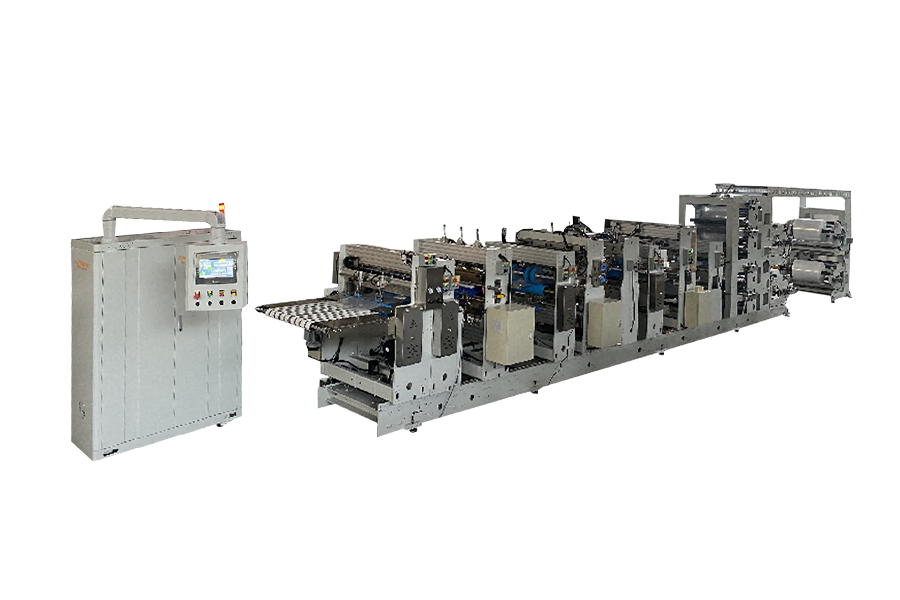
DLP-600 intelligent BIB bag-in-box bag making machine
The DLP-600BIB Box-in-Bag Intelligent Bag-Making Machine is ... View More
-
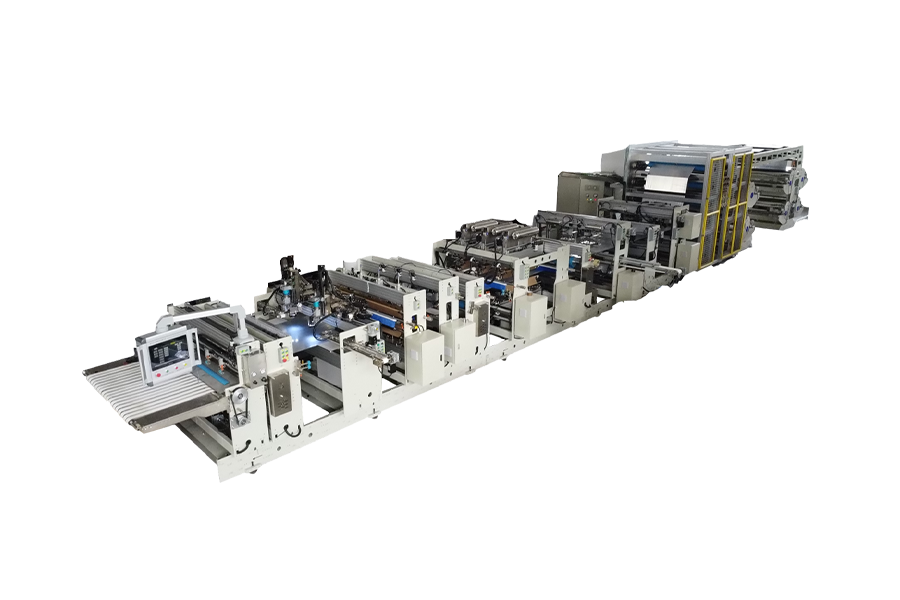
DLP-1600 intelligent BIB bag-in-box bag making machine
The DLP-1600BIB Box-in-Bag Intelligent Bag-Making Machine is... View More
-
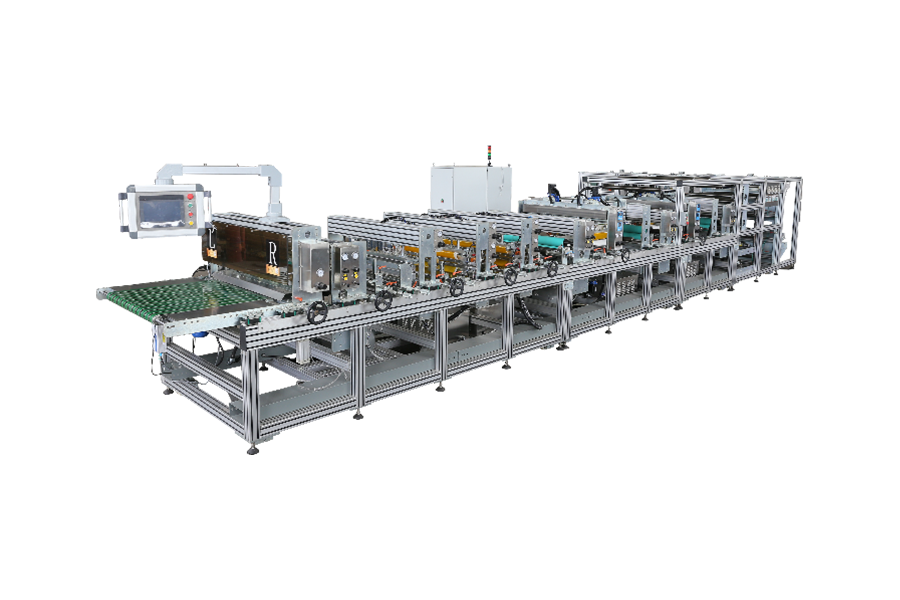
DLP-1300DD medical high temperature sterilization pouch/header bag making machine
DLP-1300 medical high temperature sterilization bag/header b... View More
-
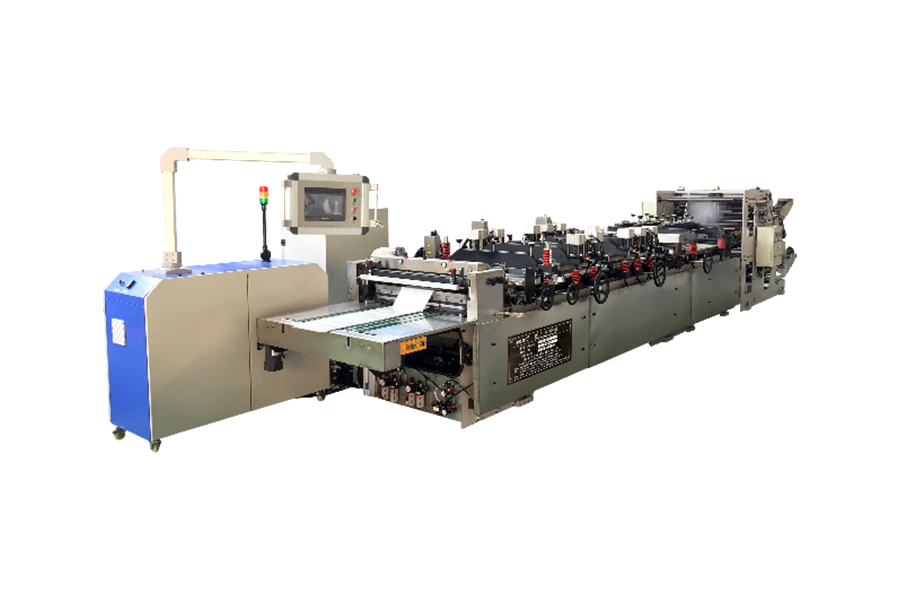
DLP-600 medical paper plastic composite bag making machine
DLP-600 medical paper-plastic bag making machine is suitable... View More
-
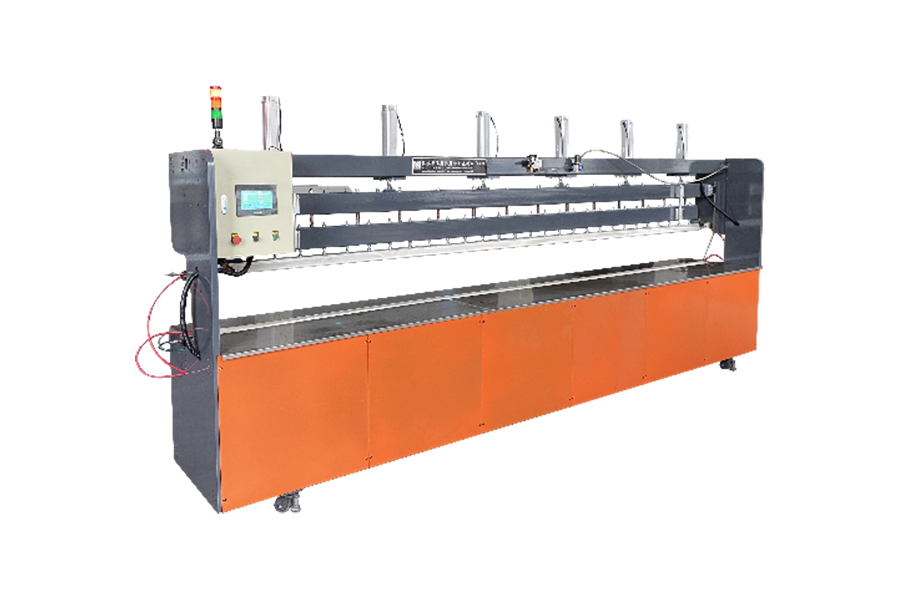
DLP-4500 sealing machine
The DLP-4500 sealing machine is in particular designed to se... View More
-
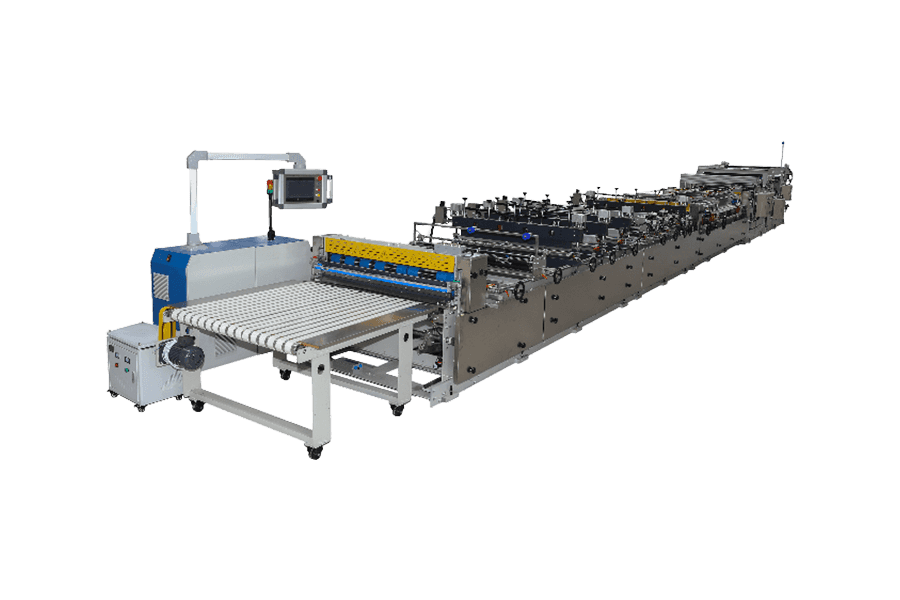
DLP-1300 vacuum storage compression bag making machine
The DLP-1300 vacuum compression bag making machine uses adva... View More
-
PHONE
+86-13606731195 (Mr. Xu)
-
EMAIL
-
ADDRESS
East side of Industry Road and north side of Pandan Road, Tongxiang Economic Development Zone (Gaoqiao Street), Jiaxing City, Zhejiang Province, China
-
FOLLOW US