English
 中文简体
中文简体 русский
 Español
News

CALL OUR OFFICE
+86-13606731195 (Mr. Xu)
What Is the Difference Between a Medical Sterilization Pouch and a Header Bag?
Medical sterilization pouches and header bags are both used to package medical devices and instruments for sterilization and sterile storage, and the two terms are sometimes used interchangeably in purchasing and clinical contexts. They are not the same product. Understanding the structural and functional differences between them is essential for medical device manufacturers, hospital procurement teams, and packaging buyers selecting the right product — and the right bag-making machine — for their specific sterilization application.
What Is a Medical Sterilization Pouch?
A medical sterilization pouch is a flat, sealed bag consisting of one transparent plastic film side and one paper or Tyvek side, heat-sealed on three sides with one open end for loading the instrument. After loading, the open end is sealed — either by a heat sealer at the point of use or pre-sealed during manufacturing — and the package is passed through a sterilization cycle.
The transparent plastic film layer (typically a multilayer PET/PE or PET/PP composite) allows visual inspection of the instrument inside without opening the package. The paper or Tyvek side is the sterilant-permeable layer — it allows sterilizing agents (steam, ethylene oxide gas, hydrogen peroxide plasma) to penetrate into the package and contact the device, while acting as a microbial barrier that prevents recontamination after sterilization is complete.
Self-sealing sterilization pouches — the most common format used in clinical and dental settings — have a peel-back adhesive strip on the open end that allows the clinician to seal the pouch without a heat sealer. Heat-sealed pouches require a calibrated heat sealer for closing and are the standard for regulated medical device manufacturing environments where seal integrity documentation is required.
What Is a Header Bag?
A header bag (also called a header pouch or header pack) is a packaging format in which a rigid or semi-rigid card header is bonded to a flexible film bag body. The header is typically a printed paperboard card that carries product information, branding, and hanging hole or Euro slot for retail display. The film portion of the package — usually a transparent PE or PET film — contains the device.
In medical device packaging, header bags specifically designed for sterilization applications use a Tyvek or medical-grade paper header bonded to a transparent film body. The permeable header material allows sterilant penetration during the sterilization cycle, and the heat-sealed bond between the header and the film bag must maintain seal integrity throughout the sterilization process and the subsequent storage and distribution period.
Header bags are the standard packaging format for medical devices sold through retail or pharmacy channels, where hanging display is required and the card header provides the primary labeling surface. They are also widely used for devices distributed through hospital supply chains where the card header provides a rigid surface for barcode labeling and shelf storage orientation.
Key Structural Differences
| Medical Sterilization Pouch | Header Bag | |
|---|---|---|
| Structure | Paper/Tyvek + transparent film, flat two-layer construction | Rigid card header + transparent film bag body |
| Sterilant-permeable surface | Full paper/Tyvek side of the pouch | Card header material (Tyvek or medical paper) |
| Sealing method | Heat-seal or self-seal adhesive strip | Heat-seal bonding header to film |
| Primary application | Instrument sterilization in clinical, hospital, and dental settings | Medical device retail packaging with display hanging capability |
| Labeling surface | Paper/Tyvek side or printed film | Card header — primary labeling and branding surface |
| Size range | Small to medium (dental instruments, surgical tools) | Wide range — from small device retail packs to large device packaging |
| Reusable at point of use? | No — single-use, opened by peeling the film from the paper | No — single-use, opened by tearing film from the header |
Sterilization Compatibility
Both pouches and header bags used in medical packaging must be compatible with the specific sterilization method used. The three most common sterilization methods in medical device manufacturing each have different requirements for packaging materials:
Steam Sterilization (Autoclave)
Steam sterilization at 121°C or 134°C requires packaging materials that can withstand high temperature and saturated steam penetration without delaminating, losing seal integrity, or allowing moisture-induced weakening of the microbial barrier. Medical-grade paper and Tyvek are both compatible with steam sterilization. Plastic film layers must be selected for high-temperature stability — standard PE film is not suitable; PET/PE or PET/PP composites with appropriate heat resistance are required. The DLP-1300DD medical high-temperature sterilization pouch/header bag making machine is specifically designed for producing packaging compatible with high-temperature steam sterilization cycles.
Ethylene Oxide (EO) Gas Sterilization
EO gas sterilization operates at lower temperatures (typically 37–63°C) but requires the sterilant gas to fully permeate the package. Tyvek (spunbonded polyethylene) is the preferred permeable material for EO sterilization because its pore structure allows efficient EO gas penetration and aeration while maintaining an effective microbial barrier. Medical paper is also used, but is generally less efficient for EO permeation than Tyvek.
Hydrogen Peroxide Plasma (H₂O₂) Sterilization
Plasma sterilization requires packaging that allows H₂O₂ vapor penetration. Tyvek is compatible with H₂O₂ plasma sterilization; standard medical paper is not — the cellulose in paper absorbs H₂O₂ and interferes with the sterilization cycle. For devices sterilized by plasma methods, Tyvek header bags and Tyvek-film pouches are the required packaging specification.
Regulatory Standards
Medical sterilization packaging — whether pouch or header bag format — must be designed, tested, and manufactured to applicable international standards. The primary standards framework is:
- ISO 11607-1: Requirements for materials, sterile barrier systems, and packaging systems used for terminally sterilized medical devices
- ISO 11607-2: Validation requirements for forming, sealing, and assembly processes
- EN 868 series: European standards for packaging materials and systems for sterilized medical devices, including specific standards for paper (EN 868-3), Tyvek (EN 868-5), and composite pouches (EN 868-5)
- ASTM F2097: Standard guide for design and evaluation of primary flexible packaging for medical products
For manufacturers of medical packaging products, compliance with these standards requires not only the right materials but validation of the bag-making process — including seal strength testing, seal integrity testing (dye penetration, bubble emission), aging studies, and distribution simulation testing. The bag-making machine selected must be capable of producing seals that meet the peel strength and integrity requirements specified in the relevant standard.
Choosing the Right Machine for Medical Pouch and Header Bag Production
Producing medical sterilization pouches and header bags to the quality standards required for regulated medical device packaging requires a bag-making machine with specific capabilities that general-purpose plastic bag machines do not provide:
- Precise seal temperature control: Seal quality in paper-plastic and Tyvek-plastic composites is highly sensitive to sealing temperature variation. Consistent seal temperature across the full seal bar width is critical for uniform seal strength. Look for machines with closed-loop temperature control and documented temperature uniformity.
- Seal pressure and dwell time control: The combination of temperature, pressure, and dwell time determines seal quality. PLC-controlled machines with programmable and logged sealing parameters provide the process documentation required for ISO 11607-2 validation.
- Gentle film handling: Medical paper and Tyvek are more delicate than standard plastic films and must be handled without creasing, puncturing, or contaminating the permeable surface. Roller design and film tension control must be appropriate for these materials.
- Cleanroom compatibility: Medical packaging production typically occurs in controlled-environment production areas. Machine design should minimize particle generation and allow routine cleaning without contaminating the production environment.
- Seal integrity monitoring: In-line or inline-compatible seal inspection capability reduces the risk of defective packages reaching the sterilization and distribution phase.
Frequently Asked Questions
Can the same machine produce both sterilization pouches and header bags?
Some medical bag-making machines are designed for multi-format production and can produce both flat pouches and header bag formats with tooling changes. The DLP-1300DD medical bag making machine is designed for high-temperature sterilization pouch and header bag production. Confirm specific format capabilities and changeover requirements with the machine manufacturer when evaluating equipment for a multi-format medical packaging operation.
What is Tyvek, and why is it used in medical packaging?
Tyvek is a spunbonded olefin sheet material (brand of DuPont) made from high-density polyethylene fibers flash-spun into a sheet. Its pore structure provides a combination of properties that make it ideal for medical sterile barrier packaging: it is permeable to sterilizing gases (EO, H₂O₂ plasma) while acting as an effective microbial barrier, it is strong and puncture-resistant, it heat-seals reliably to plastic films, and it maintains its barrier properties through sterilization cycles and distribution. Tyvek 1073B and Tyvek 2FS are the two grades most commonly specified for medical packaging applications.
What peel strength is required for medical sterilization pouches?
ISO 11607-1 and ASTM F88 specify minimum peel strength requirements for medical sterile barrier packaging seals. Typical minimum peel strength values for validated medical packaging seals are in the range of 1.5 to 4.0 N/15mm, depending on the material combination and application. The peel must also be clean and consistent — a seal that meets minimum strength but peels with film delamination or tearing rather than a clean peel is considered a quality failure. Peel strength testing on samples from each production lot is standard practice in medical packaging manufacturing.
What is the minimum order for a medical bag-making machine?
Medical bag making machines are capital equipment — each unit is a single machine order. Lead time from order confirmation to delivery for medical bag-making machines from Chinese manufacturers is typically 60 to 120 days, including manufacturing, factory acceptance testing, and shipping. Pre-delivery factory acceptance testing (FAT) at the manufacturer's facility is standard practice and allows the buyer to verify machine performance against agreed specifications before the equipment is shipped.
Medical Bag Making Machines from Delipu
Zhejiang Delipu Intelligent Manufacturing Co., Ltd. manufactures medical bag-making machines for sterilization pouch and header bag production, including the DLP-1300DD medical high-temperature sterilization pouch/header bag making machine and the DLP-600 medical paper-plastic composite bag making machine. With 20+ years of bag-making machine manufacturing experience and a dedicated smart manufacturing facility, Delipu supplies medical packaging equipment to manufacturers across regulated markets globally.
Contact us to request machine specifications, process validation support documentation, and quotations.
Related Products: DLP-1300DD Medical Sterilization Pouch Machine | DLP-600 Medical Paper-Plastic Composite Bag Machine | All Medical Bag Making Machines
RELATED PRODUCTS
-
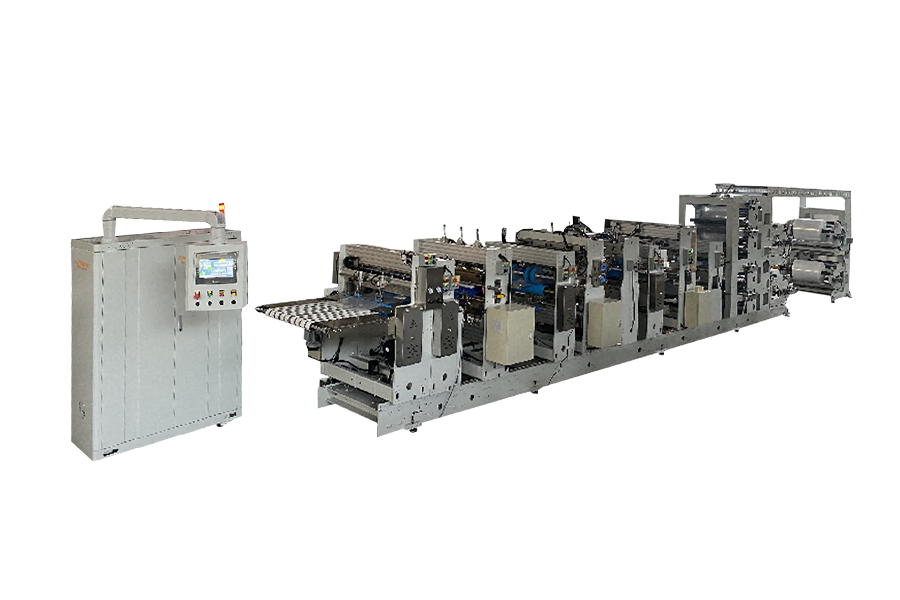
DLP-600 intelligent BIB bag-in-box bag making machine
The DLP-600BIB Box-in-Bag Intelligent Bag-Making Machine is ... View More
-
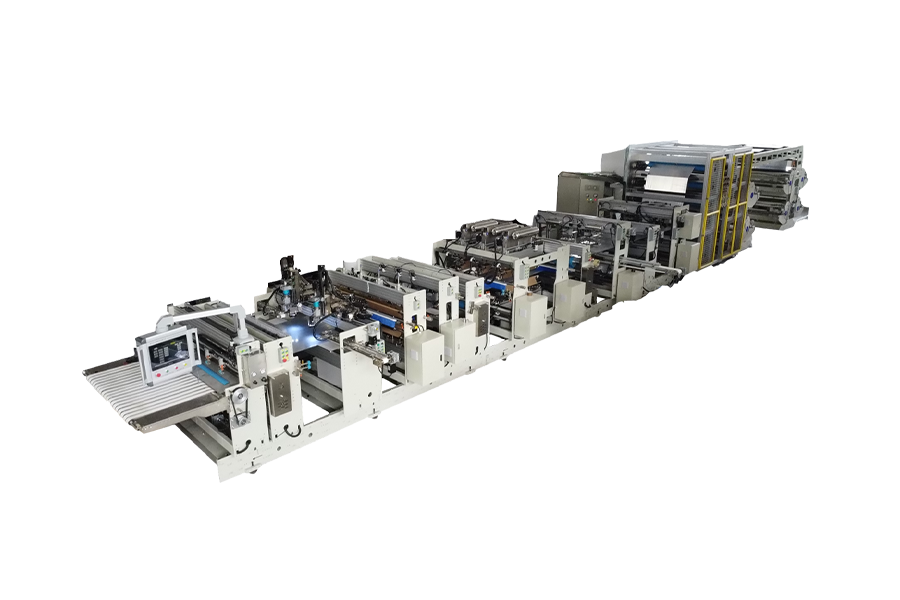
DLP-1600 intelligent BIB bag-in-box bag making machine
The DLP-1600BIB Box-in-Bag Intelligent Bag-Making Machine is... View More
-
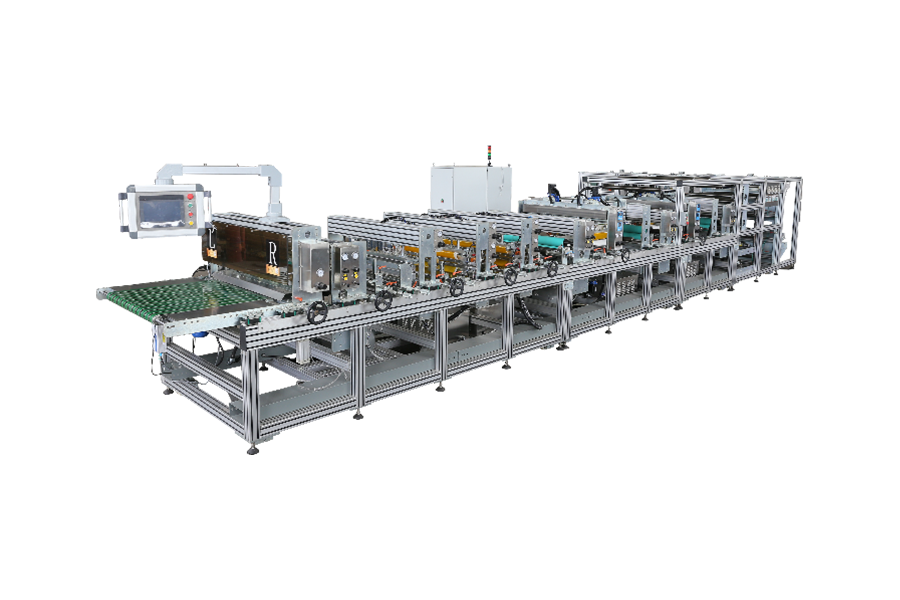
DLP-1300DD medical high temperature sterilization pouch/header bag making machine
DLP-1300 medical high temperature sterilization bag/header b... View More
-
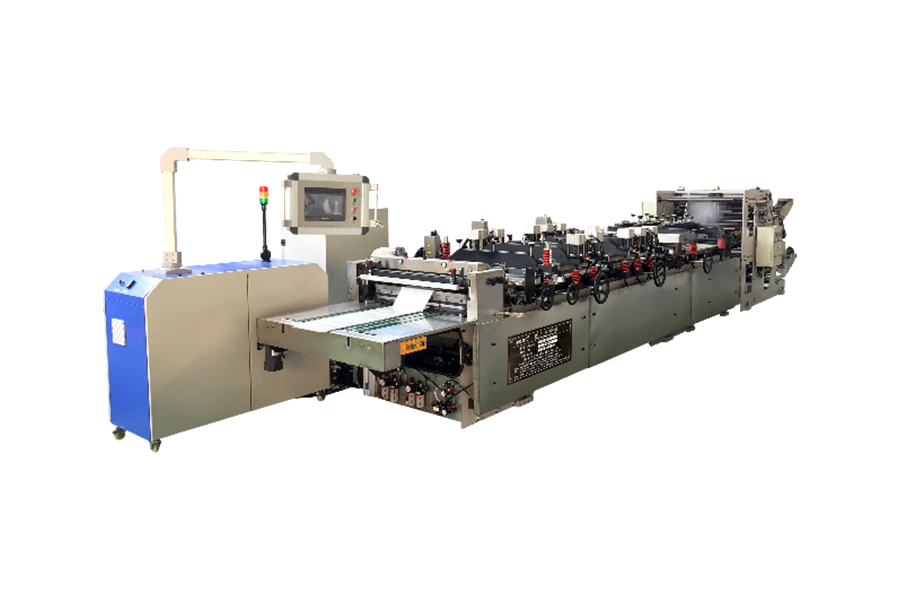
DLP-600 medical paper plastic composite bag making machine
DLP-600 medical paper-plastic bag making machine is suitable... View More
-
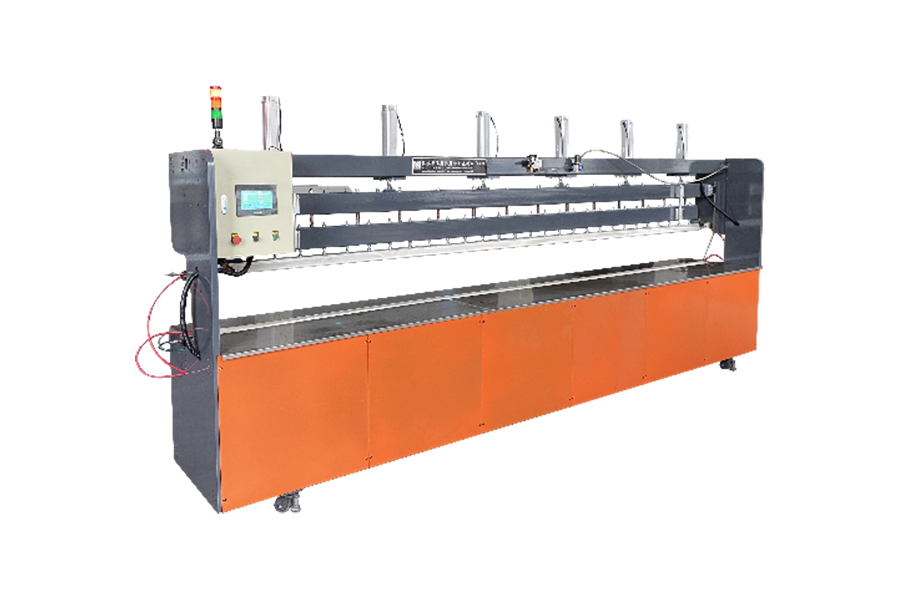
DLP-4500 sealing machine
The DLP-4500 sealing machine is in particular designed to se... View More
-
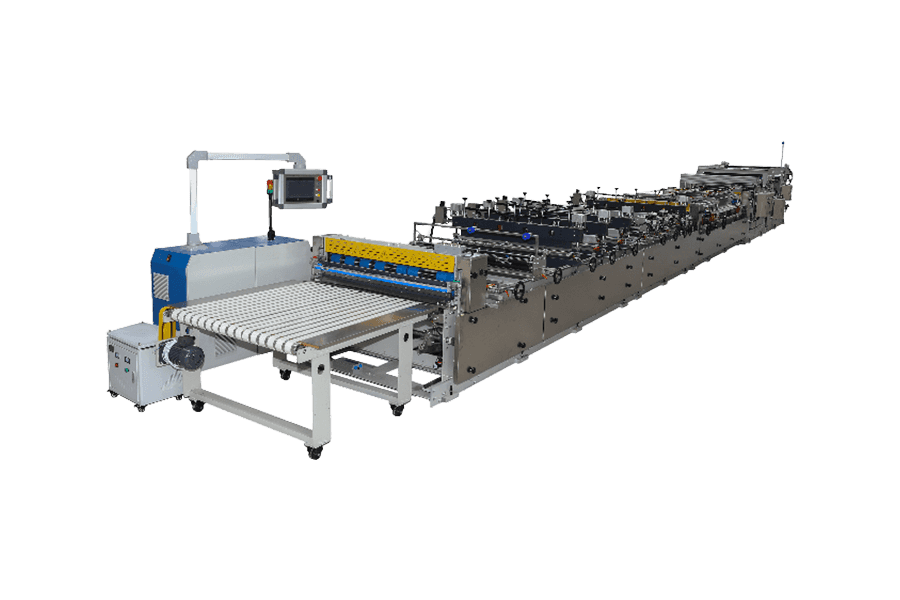
DLP-1300 vacuum storage compression bag making machine
The DLP-1300 vacuum compression bag making machine uses adva... View More
-
PHONE
+86-13606731195 (Mr. Xu)
-
EMAIL
-
ADDRESS
East side of Industry Road and north side of Pandan Road, Tongxiang Economic Development Zone (Gaoqiao Street), Jiaxing City, Zhejiang Province, China
-
FOLLOW US