English
 中文简体
中文简体 русский
 Español
News

CALL OUR OFFICE
+86-13606731195 (Mr. Xu)
What Types of Plastic Films Are Used in Food Bag Making Machines?
The plastic film fed into a food bag making machine is not a commodity decision — it determines the finished bag's barrier performance, seal quality, mechanical strength, and regulatory compliance for food contact. Choosing the wrong film for a given food product results in premature spoilage, seal failures, or packaging that does not meet market requirements. Understanding the film options available and how each one is processed on a food bag-making machine is essential for packaging buyers, food manufacturers, and anyone evaluating equipment for a new packaging line.
The Basics: Single-Layer vs Multilayer Film Structures
Food packaging films are either single-layer (one material throughout the film cross-section) or multilayer (multiple material layers bonded together to combine the properties of different polymers). In modern food packaging, multilayer film structures dominate for most applications requiring more than basic containment — the ability to combine barrier layers, heat-sealable layers, and structural layers in a single film allows performance that no single material achieves on its own.
Single-layer films are used where the application requirements are simple — basic moisture resistance, mechanical protection, short shelf life — and where cost minimisation is the priority. LDPE and LLDPE single-layer films for frozen food bags and simple pouch applications are the main commercial single-layer food packaging films.
Multilayer films are produced by co-extrusion (melting multiple polymer types through a single die to bond them in a continuous process) or lamination (bonding separately produced films together using adhesive or thermal lamination). Co-extruded films have better interlayer adhesion and are the preferred construction for high-barrier food packaging films.
The Main Plastic Film Types Used in Food Bag Making
Polyethene (PE) — LDPE and LLDPE
Low-Density Polyethene (LDPE) and Linear Low-Density Polyethene (LLDPE) are the most widely used films in food bag-making machines globally. PE films are heat-sealable at relatively low temperatures (110–130°C), flexible, moisture-resistant, food-contact safe, and low-cost. They are the standard material for a wide range of food bags, including bread bags, produce bags, frozen food bags, and simple snack bags, where oxygen barrier performance is not a primary requirement.
LLDPE offers improved tensile strength, puncture resistance, and dart impact resistance compared to LDPE at the same gauge, making it the preferred specification for bags requiring better physical performance — particularly for products with sharp edges or for bags used in automated filling and sealing lines where the film is subjected to mechanical stress.
PE films can be processed on most food bag-making machines and are the baseline material for machine capability evaluation. If a machine cannot process PE film reliably at production speed, it cannot process anything else.
Polypropylene (PP) — OPP and CPP
Oriented Polypropylene (OPP) and Cast Polypropylene (CPP) are used in food packaging for their clarity, stiffness, and moderate moisture barrier properties. OPP is produced by stretching PP film in both machine and transverse directions, resulting in a film with excellent optical clarity, good stiffness, and printability — making it the standard outer layer for laminated snack food packaging. OPP is not heat-sealable on its own (the orientation process removes the sealability of the raw PP) and is always used as the outer layer of a laminated structure with a sealable inner layer.
CPP is the heat-sealable PP film used as the inner (sealable) layer in retort packaging — food packaging that must survive high-temperature sterilisation in an autoclave. CPP has higher heat resistance than PE and maintains seal integrity at the 121°C temperatures used in retort processing. OPP/CPP laminates are the standard film structure for retort pouches used for shelf-stable meals, pet food, and similar products.
Polyester (PET)
Biaxially Oriented Polyethene Terephthalate (BOPET)**, commonly known as PET or Mylar film, is used as the structural outer layer in high-performance food packaging laminates. PET provides excellent tensile strength, puncture resistance, dimensional stability, and high-temperature resistance. It is not heat-sealable and is always used as the outer layer in combination with a PE or CPP sealable inner layer.
PET/PE and PET/CPP laminates are the standard film structures for a wide range of flexible food packaging, including stand-up pouches, four-side seal sachets, and snack packaging, where both printability and physical durability are required. PET is also the outer layer in transparent food packaging, where the high clarity and gloss of PET film provide an attractive product display appearance.
Nylon (Polyamide / PA)
Biaxially Oriented Nylon (BON or BOPA) film is a key component in food packaging requiring both oxygen barrier performance and mechanical toughness. Nylon provides better puncture resistance and flex crack resistance than PET at equivalent gauges, and moderate oxygen barrier performance. It is used in the outer or middle layers of laminated structures for packaging of sharp-edged food products (hard cheese, frozen vegetables with rough surfaces), processed meat, and other applications where flex cracking and puncture resistance are priority requirements.
A typical nylon-containing food packaging laminate structure is OPP/nylon/LLDPE or PET/nylon/PE — the nylon provides mechanical toughness in the middle of the structure, the PET or OPP provides printability and clarity on the outside, and the PE provides heat sealability on the inside.
EVOH (Ethylene Vinyl Alcohol)
EVOH is not used as a standalone film but as a functional barrier layer within a multilayer coextruded film structure. It provides exceptionally high oxygen barrier performance — 100 to 10,000 times better than PE, depending on humidity conditions — making it the critical component in packaging for oxygen-sensitive food products, including coffee, snack foods, processed meat, and cheese.
EVOH's limitation is that its oxygen barrier performance degrades significantly at high relative humidity. This is why EVOH is always used as a middle layer in a multilayer structure, protected on both sides by moisture-resistant PE or PP layers that prevent the EVOH from absorbing ambient moisture during filling, storage, and distribution.
A typical high-barrier food packaging structure containing EVOH is: OPP/adhesive / EVOH / adhesive / LLDPE. The LLDPE inner layer provides heat sealability; the EVOH middle layer provides oxygen barrier; the OPP outer layer provides structural integrity and print surface. This type of film structure is processed on food bag-making machines with sufficient seal temperature control to handle the multi-material structure's sealing requirements.
Aluminium Foil Laminates
Aluminium foil laminated between plastic layers provides the highest available barrier performance for both oxygen and light — making it the standard material for packaging products with the most stringent shelf life requirements, including coffee, chips/crisps, pharmaceutical products, and speciality food products. Foil laminate structures are harder to process than all-plastic films due to the foil's rigidity and tendency to crack at bends. Food bag making machines processing foil laminates require careful film tension control and appropriate sealing bar geometry to avoid foil cracking at the seal area.
Film Processing Requirements for Food Bag Making Machines
Different film types impose different processing requirements on the bag-making machine. Understanding these requirements helps buyers select a machine capable of handling their intended film range:
| Film Type | Seal Temperature Range | Key Machine Requirement |
|---|---|---|
| LDPE / LLDPE | 110 – 150°C | Standard heat seal bar; straightforward processing |
| OPP / CPP laminate | 140 – 180°C | Higher seal temperature; precise temperature control |
| PET / PE laminate | 130 – 170°C | Uniform temperature across the seal bar width |
| Nylon / PE laminate | 140 – 175°C | Film tension control; anti-static handling for nylon |
| EVOH multilayer coextruded | 130 – 160°C | Precise temperature and dwell time control |
| Foil laminate | 160 – 200°C | Rigid film handling; anti-cracking seal bar geometry |
Sustainable and Recyclable Film Options
Growing regulatory and market pressure on plastic packaging sustainability is driving the adoption of recyclable and bio-based film alternatives in food packaging. The main developments relevant to food bag-making machine buyers:
- All-PE multilayer structures: Replacing conventional PET/PE laminates with coextruded all-polyethene structures (using HDPE or speciality PE as the structural layer instead of PET) produces a packaging film that is recyclable in the PE recycling stream. All-PE structures require different processing parameters than PET-containing laminates and are an active area of development for food bag-making machine adaptation.
- Mono-material PP structures: All-polypropylene multilayer structures using PP for all layers are recyclable in the PP stream and are replacing mixed-material laminates in some snack food applications.
- Bio-based PE and PLA films: Bio-polyethene (identical properties to fossil PE but produced from sugarcane) is a drop-in replacement for standard PE in food packaging. PLA (Polylactic Acid) from corn starch is compostable under industrial composting conditions but has limited heat resistance and is not suitable for all food bag applications.
Frequently Asked Questions
Can one food bag-making machine process all film types?
Most intelligent food bag-making machines are designed to handle a range of film types within their specification, but the full range from LDPE to foil laminate requires different sealing temperatures and film handling parameters. When evaluating a machine, confirm the specific film types it is designed and tested for — a machine optimised for PE film may not produce consistent seals on high-barrier PET/nylon/PE laminates without modification. Delipu's food bag-making machines use PLC-controlled sealing temperature and parameter systems that allow adjustment for different film types, making multi-film-type production feasible on a single machine within its specification range.
What film thickness range do food bag-making machines typically accept?
Most food bag-making machines accept film in the range of 30 to 200 microns total thickness for standard applications, with specific machine models optimised for thinner or thicker ranges. Very thin films (below 30 microns) require careful tension control to avoid stretching or tearing during processing. Very thick or rigid films (foil laminates above 150 microns) require higher seal pressures and specialised roller designs. Confirm the target film thickness range with the machine manufacturer and verify that the machine has been tested with films in your specific thickness range.
How does film roll width relate to bag size on a food bag-making machine?
For most food bag formats, the film roll width is approximately twice the bag width (since the film is folded to form both front and back of the bag) plus seam allowance. For a finished bag width of 200mm, the film roll would typically be approximately 410–420mm wide. For gusseted bags (stand-up pouches), additional width is required for the gusset. The machine's maximum working width — the maximum film width it can process — determines the maximum bag dimensions producible. Always confirm that the machine's working width range covers your largest intended bag size before finalising equipment selection.
What food safety certifications should food packaging film have?
Food packaging films must comply with applicable food contact regulations for the target market. In the US, FDA 21 CFR (specifically 21 CFR 177 for polymers used in food contact) covers PE, PP, PET, and nylon films. In the EU, Regulation (EC) 10/2011 on plastic materials and articles intended to contact food applies. REACH compliance is required for all materials placed in the EU market. For specific applications such as microwave-safe packaging or high-temperature retort pouches, additional compliance testing may be required. Film suppliers should provide documentation of compliance with the applicable regulations for the markets where the finished food packaging will be sold.
Food Bag Making Machines from Delipu
Zhejiang Delipu Intelligent Manufacturing Co., Ltd. manufactures intelligent food bag making machines capable of processing PE, OPP/CPP, PET/PE, nylon-laminate, EVOH multilayer, and foil laminate film structures for food packaging applications. The product range includes the DLP-600 three-side sealing/self-standing/zipper bag making machine, DLP-600 four-side sealing/mid-bottom sealing machine, and the DLP-600 and DLP-1600 BIB bag-in-box bag making machines. PLC-controlled sealing parameters and servo film feeding systems support consistent quality across a wide range of film types.
Contact us to discuss your film specification requirements, request machine specifications, and receive a project quotation.
Related Products: DLP-600 Three-Side Sealing / Stand-Up / Zipper Bag Machine | DLP-600 Four-Side Sealing / Mid-Bottom Sealing Bag Machine | All Food Bag Making Machines
RELATED PRODUCTS
-
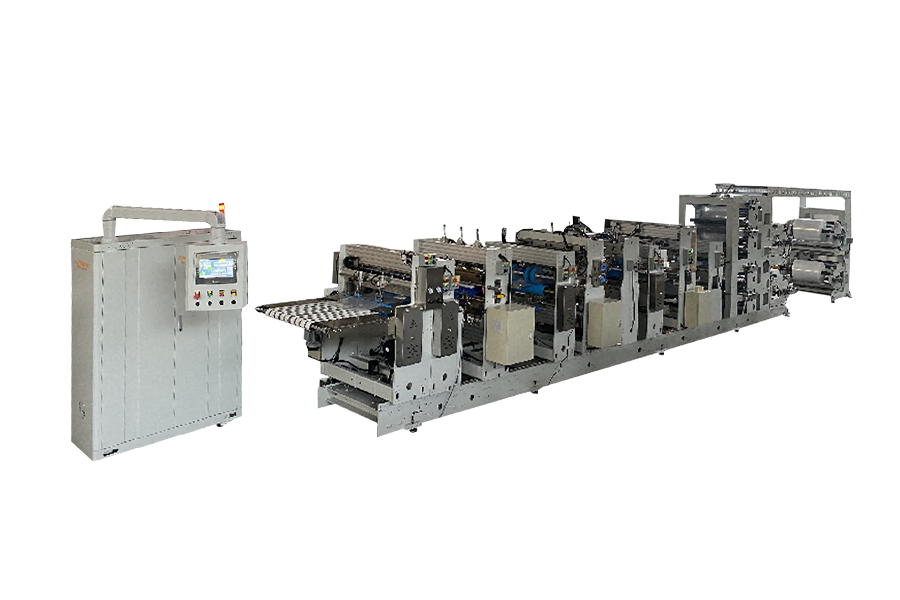
DLP-600 intelligent BIB bag-in-box bag making machine
The DLP-600BIB Box-in-Bag Intelligent Bag-Making Machine is ... View More
-
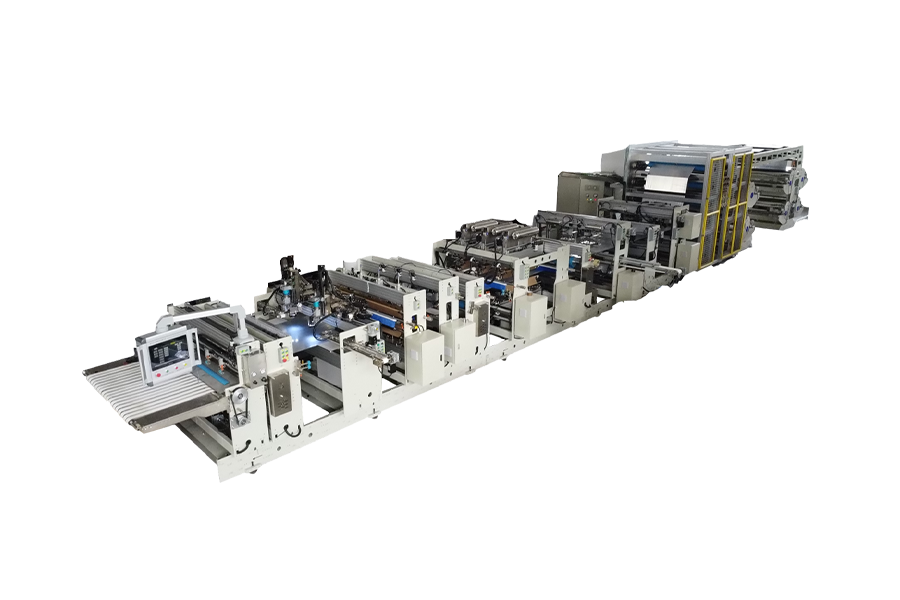
DLP-1600 intelligent BIB bag-in-box bag making machine
The DLP-1600BIB Box-in-Bag Intelligent Bag-Making Machine is... View More
-
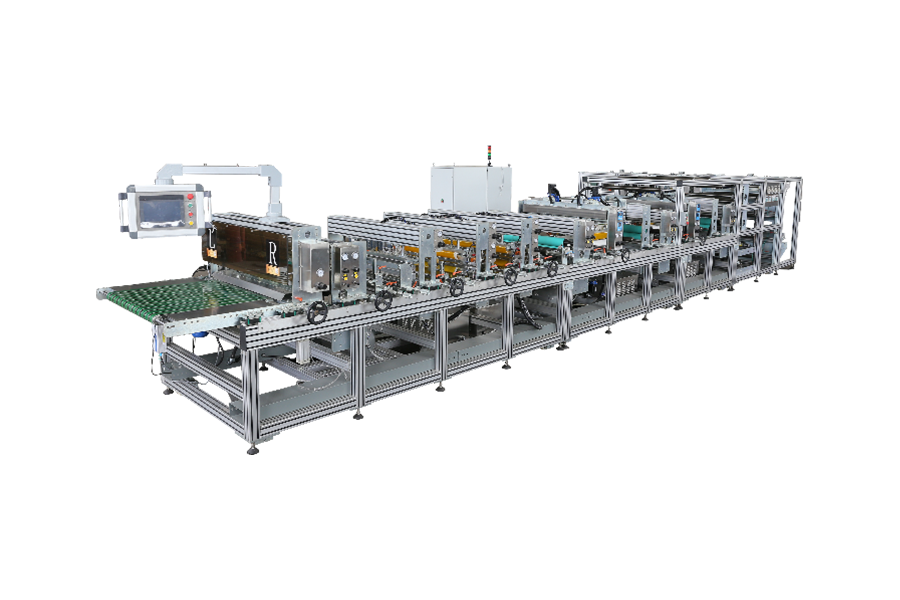
DLP-1300DD medical high temperature sterilization pouch/header bag making machine
DLP-1300 medical high temperature sterilization bag/header b... View More
-
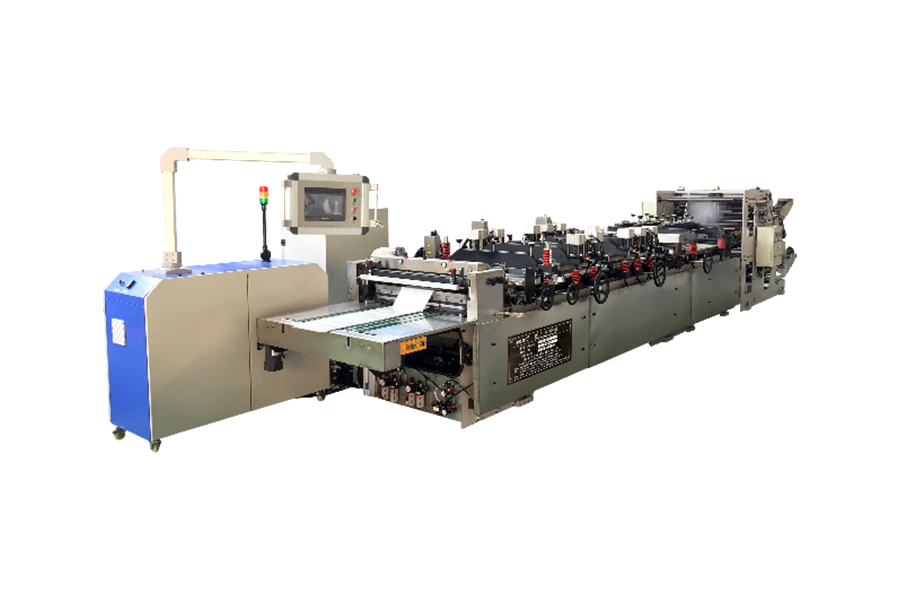
DLP-600 medical paper plastic composite bag making machine
DLP-600 medical paper-plastic bag making machine is suitable... View More
-
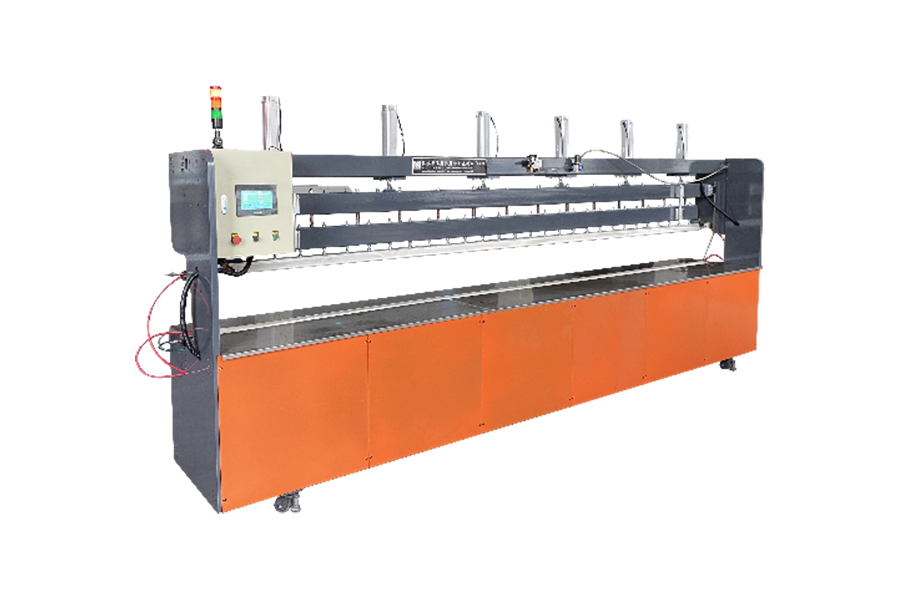
DLP-4500 sealing machine
The DLP-4500 sealing machine is in particular designed to se... View More
-
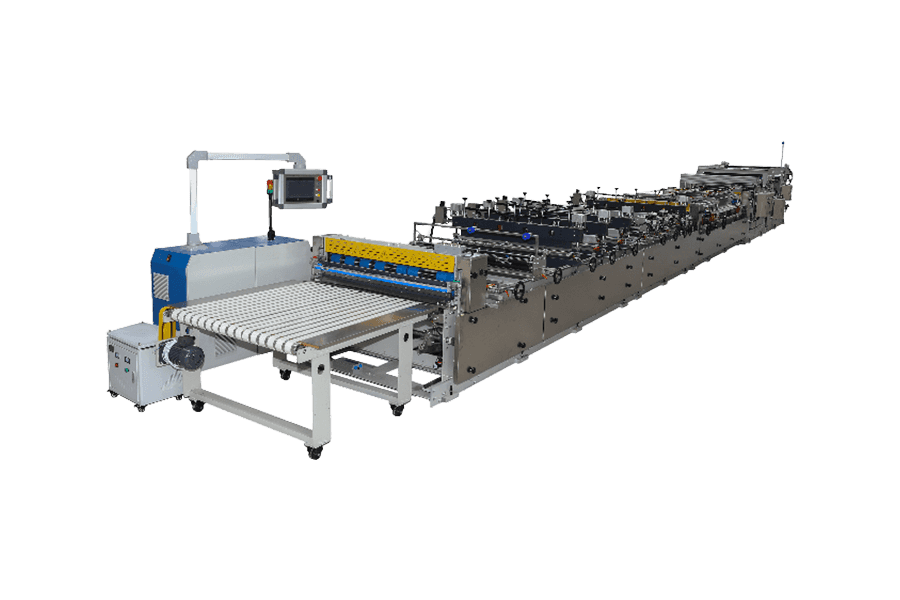
DLP-1300 vacuum storage compression bag making machine
The DLP-1300 vacuum compression bag making machine uses adva... View More
-
PHONE
+86-13606731195 (Mr. Xu)
-
EMAIL
-
ADDRESS
East side of Industry Road and north side of Pandan Road, Tongxiang Economic Development Zone (Gaoqiao Street), Jiaxing City, Zhejiang Province, China
-
FOLLOW US