English
 中文简体
中文简体 русский
 Español
News

CALL OUR OFFICE
+86-13606731195 (Mr. Xu)
Why Choose PLC Control for Medical Bag Production Equipment?
The application of PLC control systems in medical bag-making machines represents the most critical technical solution for modern medical packaging production. This control mode enables the equipment to achieve over 99% production stability, fully meets the strict hygiene and dimensional accuracy standards of medical consumables, and realizes fully automated continuous operation from raw material feeding to finished product output. Compared with traditional relay control and manual operation, PLC-controlled medical bag-making machines reduce manual intervention by more than 85%, lower defect rates to below 0.5%, and become the core equipment guarantee for standardized, large-scale, and high-quality medical bag manufacturing.
All medical bag-making machines equipped with PLC systems can adapt to the production of various medical bags, such as infusion bags, drainage bags, collection bags, and sterile packaging bags, and can flexibly switch production specifications without replacing a large number of mechanical parts. This technical advantage not only improves production efficiency but also ensures the consistency and safety of each medical bag product, fully complying with global medical device manufacturing standards.
Composition of the PLC Control System for Medical Bag Making Machines
The PLC control system of medical bag-making machines is an integrated electronic control solution composed of multiple functional modules, which work together to complete the precise control of the entire production process. Each module has a clear division of labor and stable coordination, forming a closed-loop control system suitable for medical packaging production environments.
Core PLC Controller
As the central nerve of the entire equipment, the PLC controller undertakes all logic operations, signal processing and instruction output tasks. It receives signals from sensors, operation panels and execution components, calculates according to pre-written programs, and sends control instructions to driving devices. This component has strong anti-interference ability, can operate stably in high-speed and continuous working environments, and supports long-term non-stop operation, which is fully matched with the production requirements of medical consumables.
Human-Machine Interaction Interface
The human-machine interface (HMI) matched with the PLC system provides a visual operation platform for equipment operators. Through the touch screen, workers can set production parameters, adjust running speed, switch product specifications, view real-time data, and view fault information. The interface design is simple and intuitive, reducing the professional threshold of operation, and parameter modification can be completed in 30 seconds, greatly improving the flexibility of production switching.
Sensor Detection Module
Sensors are the data acquisition terminals of the PLC control system, including photoelectric sensors, proximity sensors, temperature sensors, pressure sensors, and tension sensors. These components collect real-time signals such as material position, sealing temperature, conveying tension, and running speed, and transmit them to the PLC controller. High-precision sensors ensure that the control error of the entire system is controlled within an extremely small range, which is a key link to ensure the quality of medical bags.
Execution and Driving Components
The execution components include servo motors, frequency converters, heating modules, pneumatic components, and cutting devices, which are directly controlled by PLC output signals. Servo motors achieve precise traction and positioning of film materials, with positioning accuracy up to 0.1mm; heating modules achieve constant temperature control of sealing parts, with temperature fluctuation range controlled within ±1℃, ensuring the sealing firmness and air tightness of medical bags.
Safety Protection Module
In view of the particularity of medical equipment production, the PLC control system is equipped with a complete safety protection module, including emergency stop function, overload protection, over-temperature protection, door cover interlock protection, and fault alarm. Once abnormal conditions occur during operation, the system will immediately stop running and display fault information, ensuring the safety of operators and equipment, and avoiding the production of unqualified products caused by equipment abnormalities.
Key Advantages of PLC Control in Medical Bag Making Machines
PLC control technology brings subversive improvements to medical bag-making machines, covering production efficiency, product quality, operation stability, hygiene compliance and other core dimensions, and solves multiple pain points of traditional production modes.
High-Precision Production Control
Medical bags have extremely strict requirements for dimensional accuracy, sealing performance and appearance quality, and PLC control realizes quantitative and standardized control of all production links. The system can accurately control the length, width, sealing position and cutting position of the bag body, completely eliminating the size deviation caused by manual operation. For medical infusion bags that require high air tightness, the PLC-controlled constant temperature sealing process ensures that each sealing point meets the standard, and the air tightness qualification rate reaches 100% after testing.
Stable and Continuous Production Capacity
Traditional equipment is prone to downtime, jamming and parameter drift during long-term operation, while PLC-controlled medical bag making machines can run continuously for more than 72 hours with stable performance. The system has automatic correction and compensation functions, which can automatically adjust material tension, sealing temperature and conveying speed according to real-time data, maintaining consistent production effects. This stability is crucial for large-scale medical consumables production lines, effectively reducing production losses caused by equipment downtime.
High Compatibility with Medical Hygiene Standards
Medical packaging products must meet strict hygiene and sterility requirements, and the PLC control system reduces manual contact with raw materials and finished products to the greatest extent. The fully automated production process avoids secondary pollution caused by human factors, and the equipment's smooth control mode reduces material wear and particle generation, fully complying with medical device production hygiene specifications. At the same time, the system can record production parameters in real time, forming a traceable data log, which is convenient for quality supervision and certification review.
Flexible Production Adaptability
Medical bags have diverse types and specifications, and PLC-controlled equipment supports rapid switching of different products without replacing a large number of mechanical molds. Operators only need to call the pre-stored parameter programs on the human-machine interface to complete the switching of bag size, production speed and sealing mode, and the model switching time is shortened by more than 70% compared with traditional equipment. This flexibility enables manufacturers to respond quickly to market demand and produce customized medical bag products.
Low Failure Rate and Easy Maintenance
The PLC control system has a self-diagnosis function, which can automatically detect faults in sensors, motors, heating modules and other components, and display specific fault locations and causes on the interface. This greatly reduces the difficulty of equipment maintenance, and maintenance personnel can quickly troubleshoot without relying on professional experience. The average fault interval of equipment is extended by more than 3 times, and the maintenance cost is reduced by 60% compared with traditional relay control equipment.
Automated Production Flow of PLC-Controlled Medical Bag Making Machines
The PLC control system endows the medical bag making machine with a fully automated production flow, which is completed continuously and efficiently without manual participation. The entire process is divided into multiple standardized steps, and the PLC coordinates the operation of each module in real time to ensure the smooth progress of production.
Raw Material Automatic Feeding and Tension Control
The production starts with the automatic unwinding of medical film raw materials. The PLC system controls the unwinding motor through the tension sensor to maintain stable tension of the film during the conveying process, preventing wrinkles, deviations and breaks. This link is the basis for ensuring the forming quality of medical bags, and the tension fluctuation value is controlled within a safe range by the system.
Online Printing and Surface Treatment
For medical bags that need to print logos, capacity scales and instructions, the PLC system synchronously controls the printing device to match the film conveying speed, realizing high-precision online printing. The printing position deviation is controlled within 0.2mm, ensuring the clarity and consistency of printed patterns. At the same time, the system can complete surface corona treatment to improve the sealing performance of film materials.
Bag Forming and Sealing Processing
This is the core link of medical bag production. The PLC system controls the servo motor to position the film accurately, and then drives the sealing mold to perform constant temperature heat sealing. The sealing time, temperature and pressure are all precisely controlled by the PLC to ensure that the seal is firm, non-damaging and air-tight. For composite film materials used in medical bags, the system can set multi-stage sealing parameters to adapt to the characteristics of different materials.
Precision Cutting and Finished Product Conveying
After the bag body is formed and sealed, the PLC controls the cutting device to perform synchronous cutting, and the cutting size is completely consistent with the set parameters. The cut finished medical bags are automatically conveyed to the output end through the conveyor belt, and some high-end equipment is also equipped with an automatic counting function, which can count and package the finished products in batches according to the set quantity.
Fault Handling and Automatic Correction
During the entire production process, the PLC system monitors the operating status in real time. If material deviation, insufficient sealing temperature, or material breakage occurs, the system will automatically take correction measures or stop the machine for alarm. For minor deviations, the system can automatically adjust parameters to restore normal production, avoiding the generation of a large number of unqualified products and improving the yield rate.
Performance Comparison: PLC Control vs. Traditional Control Medical Bag Making Machines
In order to more intuitively reflect the advantages of PLC control technology, we compare the core performance indicators of PLC-controlled medical bag making machines and traditional relay-controlled equipment. The data comes from actual production tests and fully reflects the technical differences between the two modes.
| Performance Indicators | PLC Control Mode | Traditional Control Mode |
|---|---|---|
| Production Stability | ≥99% | 85%-90% |
| Product Defect Rate | ≤0.5% | 3%-5% |
| Specification Switching Time | 1-5 minutes | 30-60 minutes |
| Manual Intervention Demand | Low | High |
| Fault Diagnosis Efficiency | Automatic & Fast | Manual Inspection & Slow |
The comparison data clearly shows that PLC-controlled medical bag making machines have absolute advantages in all key indicators. For medical consumables manufacturers, investing in PLC-controlled equipment can recover costs through improved efficiency, reduced defects and labor savings in a short period.
Application Scope of PLC-Controlled Medical Bag Making Machines
The versatility and stability of the PLC control system enable medical bag making machines to cover the production of almost all types of medical soft packaging bags, meeting the application needs of hospitals, medical consumables manufacturers, and pharmaceutical companies.
Common Medical Bag Products
- Infusion bags for intravenous fluid delivery, including single-chamber and multi-chamber bags
- Drainage bags for clinical waste liquid collection such as urinary drainage and wound drainage
- Collection bags for blood, plasma and biological samples
- Sterile packaging bags for medical devices and disposable supplies
- Special customized medical bags for veterinary medicine, emergency medicine and home care
Adaptable Material Types
PLC-controlled medical bag making machines can adapt to a variety of medical-grade film materials, including PVC, non-PVC composite films, polypropylene films, polyethylene films and multi-layer co-extruded films. The system can adjust sealing temperature, conveying speed and tension parameters according to the melting point and toughness of different materials, ensuring perfect forming of various materials.
Suitable Production Scales
Whether it is a small-batch customized production line or a large-scale continuous production line, PLC-controlled medical bag making machines can adapt perfectly. The equipment can adjust the production speed according to demand, with a speed range of 20-120 pieces per minute, meeting the production needs of small and medium-sized enterprises and large-scale medical consumables production bases.
Operation and Maintenance Guidelines for PLC-Controlled Medical Bag Making Machines
Although PLC-controlled medical bag making machines have a high degree of automation, standardized operation and regular maintenance are the keys to ensuring long-term stable operation of the equipment and extending its service life. The following are practical guidelines for daily operation and maintenance.
Daily Operation Specifications
- Before starting the machine, check the power supply, air supply and heating system to ensure that all parameters are within the set range
- Call the corresponding production program according to the product specifications, and confirm that all parameters are correct
- Run the equipment at low speed for trial production, and check the forming, sealing and cutting quality of the medical bags
- Adjust the production speed to the normal range after the trial products are qualified, and monitor the operation status in real time
- After production, clean the equipment surface and mold, and perform weekly maintenance operations
Regular Maintenance Items
Weekly maintenance focuses on cleaning sensors, lubricating transmission parts and checking sealing molds; monthly maintenance includes testing PLC input and output signals, calibrating temperature sensors, and tightening electrical connectors; annual maintenance requires comprehensive inspection of the control system, replacement of aging components, and upgrading control programs if necessary. Regular maintenance can extend the service life of the equipment to more than 10 years.
Troubleshooting Common Faults
The PLC system will display fault codes and prompts when a problem occurs. Common faults include material deviation, insufficient sealing temperature, servo positioning abnormality, and sensor failure. Operators can troubleshoot according to the prompts: material deviation can be solved by adjusting the tension and guide rollers; insufficient sealing temperature needs to check the heating tube and temperature sensor; servo abnormality requires restarting the control system for reset. Most faults can be resolved quickly without professional maintenance personnel.
Future Development Trend of PLC-Controlled Medical Bag Making Machines
With the development of industrial automation technology and the upgrading of medical industry standards, PLC-controlled medical bag making machines are constantly evolving in the direction of higher precision, intelligence, integration and green production.
Intelligent Upgrade of Control Systems
Future PLC control systems will be deeply integrated with artificial intelligence and big data technology, realizing autonomous optimization of production parameters. The equipment can automatically adjust the optimal production parameters according to material characteristics, ambient temperature and product requirements, without manual setting. At the same time, remote monitoring and control functions will be popularized, and manufacturers can remotely view equipment operation status, modify parameters and troubleshoot faults, realizing unmanned and intelligent production management.
Higher Production Accuracy and Efficiency
The upgrading of PLC computing power and the application of higher-precision servo systems will further improve the production accuracy of medical bags, with positioning accuracy approaching 0.05mm. The production speed will also be increased, and the per-minute output will be increased by 20%-30% on the existing basis, while maintaining product quality and stability to meet the growing global demand for medical consumables.
Integration of Production and Quality Traceability
The PLC system will realize the full-process data recording of medical bag production, including raw material batch, production time, sealing parameters, testing results and other information, forming a complete quality traceability system. This system can be connected with the medical device supervision platform to meet the stricter regulatory requirements of the medical industry and ensure the safety of each medical bag product.
Green and Energy-Saving Design
The new generation of PLC control systems will adopt energy-saving algorithms to reduce the power consumption and air consumption of equipment. At the same time, the production process will further reduce material waste, with the material utilization rate increased to over 99%. The equipment will also adopt more environmentally friendly materials and processes, complying with global environmental protection and medical waste reduction policies.
Summary and Value Analysis
PLC control technology is the core support for the modernization of medical bag making machines, which solves the problems of low precision, poor stability, high defect rate and low efficiency of traditional equipment. The medical bag making machine equipped with PLC system has become the standard configuration of the medical packaging industry, with production efficiency increased by more than 50%, product qualification rate close to 100%, and fully meets the strict standards of medical consumables in terms of hygiene, safety and consistency.
For medical consumables manufacturers, investing in PLC-controlled medical bag making machines is a high-return technical transformation. It not only improves production capacity and product quality, but also reduces labor and maintenance costs, enhances market competitiveness, and adapts to the long-term development trend of the medical industry. With the continuous advancement of automation technology, PLC-controlled medical bag making machines will continue to play an irreplaceable role in the field of medical packaging production, providing a solid equipment guarantee for global medical and health services.
RELATED PRODUCTS
-
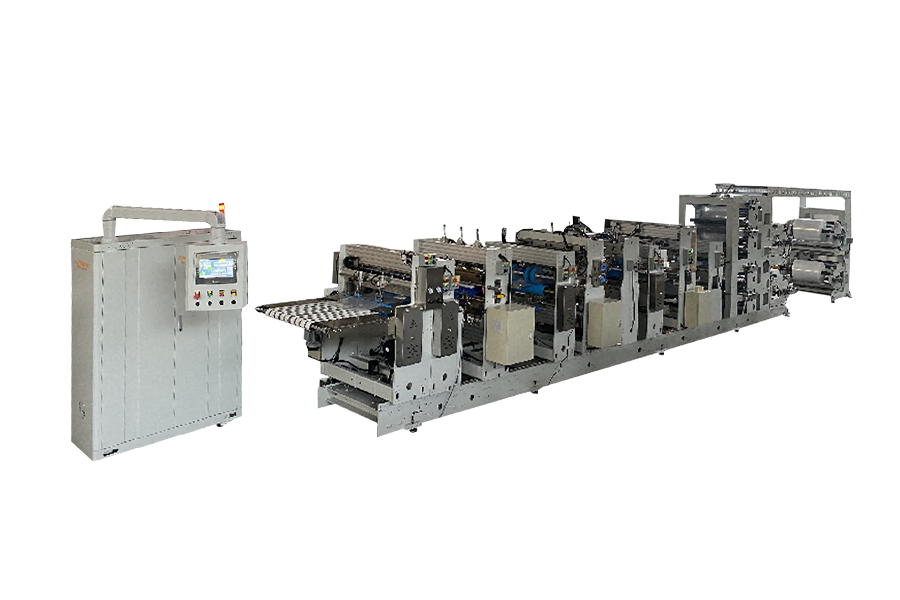
DLP-600 intelligent BIB bag-in-box bag making machine
The DLP-600BIB Box-in-Bag Intelligent Bag-Making Machine is ... View More
-
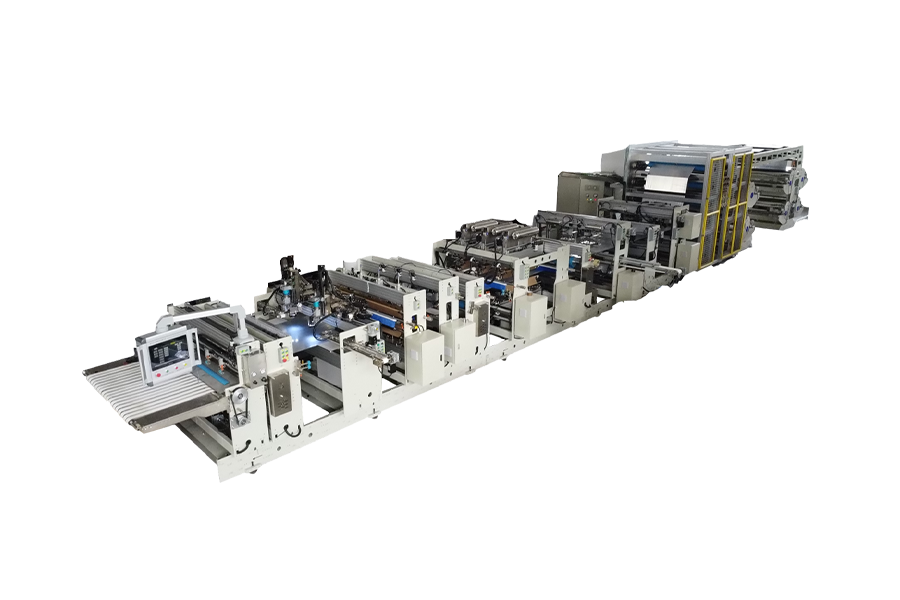
DLP-1600 intelligent BIB bag-in-box bag making machine
The DLP-1600BIB Box-in-Bag Intelligent Bag-Making Machine is... View More
-
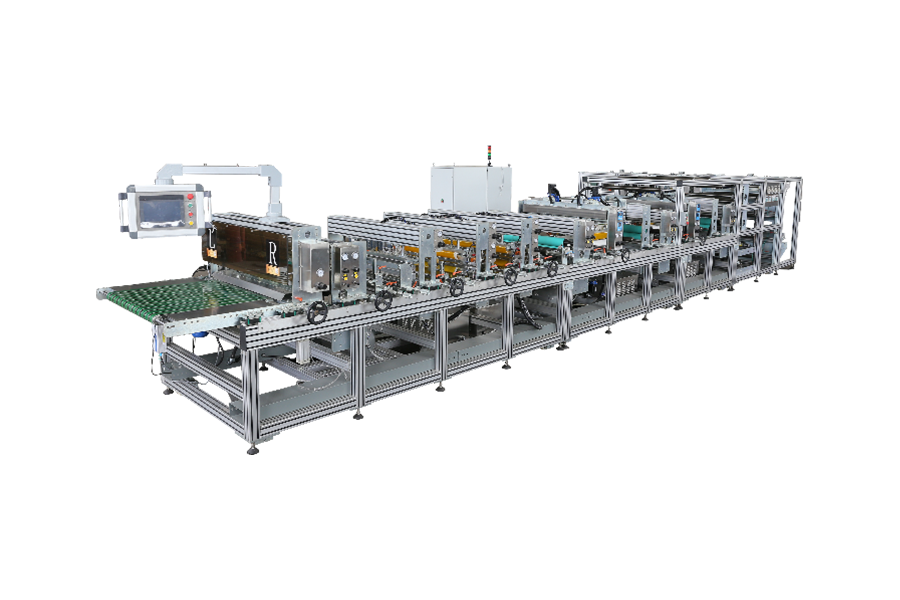
DLP-1300DD medical high temperature sterilization pouch/header bag making machine
DLP-1300 medical high temperature sterilization bag/header b... View More
-
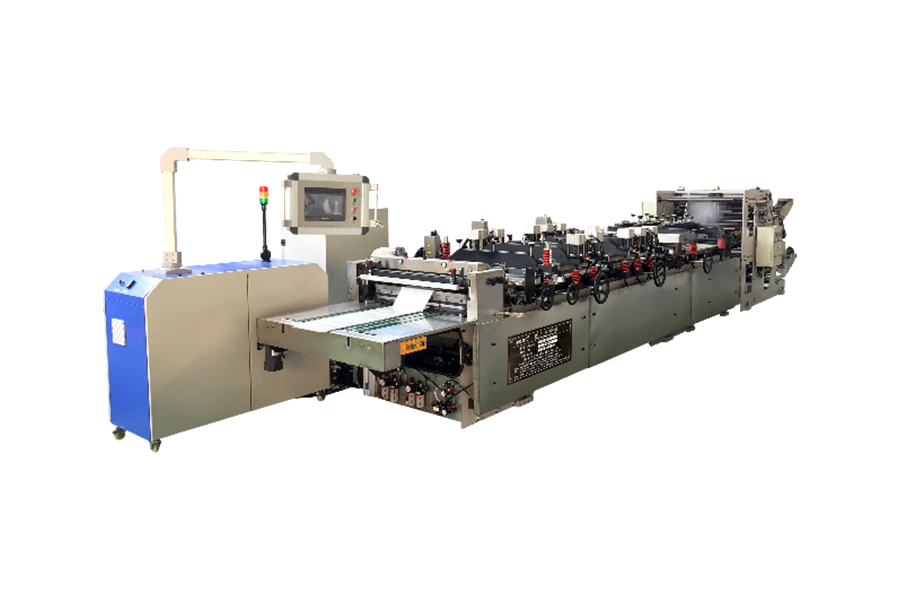
DLP-600 medical paper plastic composite bag making machine
DLP-600 medical paper-plastic bag making machine is suitable... View More
-
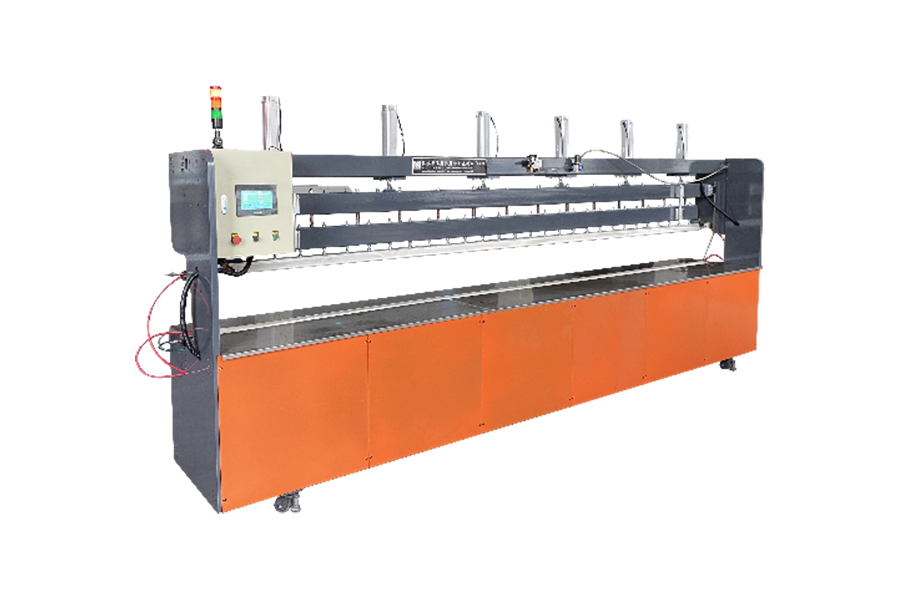
DLP-4500 sealing machine
The DLP-4500 sealing machine is in particular designed to se... View More
-
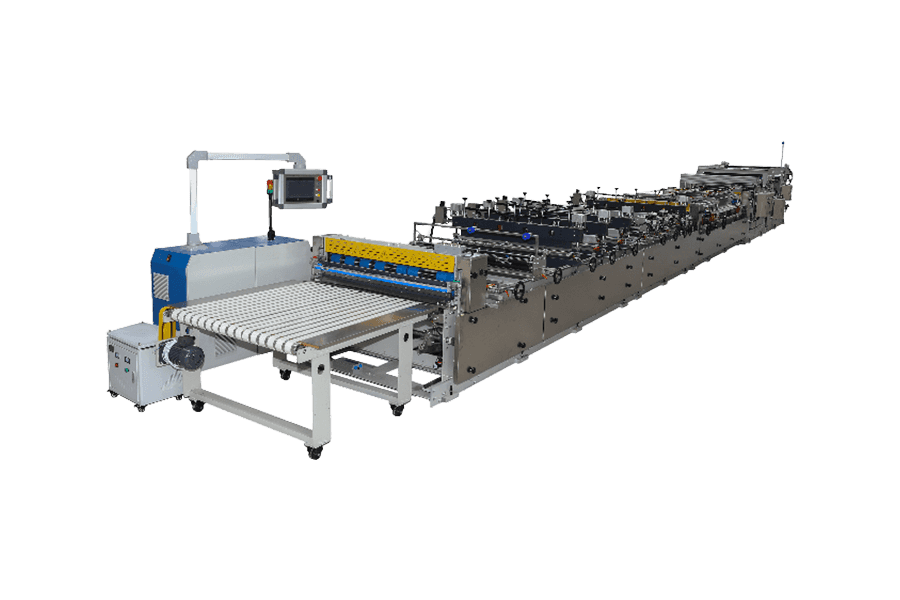
DLP-1300 vacuum storage compression bag making machine
The DLP-1300 vacuum compression bag making machine uses adva... View More
-
PHONE
+86-13606731195 (Mr. Xu)
-
EMAIL
-
ADDRESS
East side of Industry Road and north side of Pandan Road, Tongxiang Economic Development Zone (Gaoqiao Street), Jiaxing City, Zhejiang Province, China
-
FOLLOW US