English
 中文简体
中文简体 русский
 Español
News

CALL OUR OFFICE
+86-13606731195 (Mr. Xu)
How an Intelligent Food Bag Making Machine Stops Waste?
The adoption of an intelligent food bag making machine is no longer a forward-looking luxury but a fundamental necessity for modern packaging operations. Migrating to intelligent automated systems directly improves production yield, guarantees packaging hygiene, and significantly reduces material waste. As food safety regulations become stricter and consumer demand for diverse packaging formats grows, traditional mechanical equipment simply cannot keep pace. Intelligent systems solve this by integrating real-time monitoring, automated adjustments, and data-driven quality control into a single seamless workflow, ensuring that every bag produced meets exact specifications without constant human intervention.
Fundamental Shift from Mechanical to Intelligent Systems
Traditional bag making machines rely heavily on manual calibration, mechanical linkages, and the subjective experience of the operator. When changing bag sizes, adjusting film tension, or switching materials, the process often requires extensive downtime. An intelligent food bag making machine fundamentally alters this dynamic by replacing purely mechanical dependency with cyber-physical control architectures.
At the heart of this shift is the transition from open-loop to closed-loop manufacturing. In a traditional setup, an operator sets a parameter, and the machine executes it blindly until the operator notices a defect. In an intelligent setup, sensors continuously feed data back to a central controller, which makes micro-adjustments in real-time. For example, if the film tension fluctuates due to slight variations in the plastic film roll, the intelligent system detects this variation within milliseconds and adjusts the braking torque or feeding speed to compensate. This continuous feedback loop ensures that the final product remains consistent even when input materials have minor imperfections.
The Role of Servo Drives and Motion Control
Older machines often used a single large motor connected to a complex array of gears and cams to drive different parts of the machine. This meant that all operations—feeding, sealing, cutting—were mechanically linked. If you needed to increase the sealing time, the entire machine had to slow down. Intelligent machines utilize independent servo drives for each major function. The feeding rollers, the sealing bars, and the cutting knife each have their own dedicated motor. Because they are controlled by a shared motion profile rather than a physical gear, they can operate at different speeds and overlap their motions. Decoupling these mechanical motions allows for faster cycle times without sacrificing the dwell time required for a perfect seal.
Core Technological Architectures
Understanding the capabilities of these machines requires a look at the underlying technologies that make them "intelligent." It is the synergistic combination of these distinct technologies that creates a system capable of autonomous operation.
Machine Vision and Optical Inspection
Machine vision is arguably the most impactful technology integrated into modern bag making equipment. High-resolution cameras are positioned at critical points along the production line, typically right after the sealing and cutting stations. These cameras do not simply take pictures; they run complex algorithms to analyze the bags in real-time.
- Seal Integrity Analysis: Vision systems can detect incomplete seals, wrinkles in the seal area, or contamination in the seal line that might cause a micro-leak.
- Print Registration: For printed bags, the system ensures that the cutting knife always strikes at the exact same point relative to the printed graphic, preventing crooked cuts or misaligned artwork.
- Dimensional Verification: The system measures the length and width of the bag, flagging any deviations that exceed a preset tolerance.
When a defect is detected, the system can automatically log the defect, eject the bad bag using a pneumatic reject mechanism, and alert the operator to the specific nature of the fault so that corrective action can be taken before a large batch is wasted.
Advanced Temperature Control
The sealing process is highly sensitive to temperature. Too hot, and the film melts, creating weak spots or burning holes. Too cold, and the layers do not bond properly. Traditional machines use basic thermostats that turn the heater on and off based on a setpoint, leading to temperature swings. Intelligent machines employ PID (Proportional-Integral-Derivative) control loops paired with rapid-response thermocouples. Furthermore, they often utilize ultrasonic sealing technology for specific materials, which generates heat through friction rather than external heating elements, providing an instantaneous and highly controlled bond that is especially useful for coated films or contaminated seal areas.
Human-Machine Interfaces (HMI) and Edge Computing
The complexity of an intelligent food bag making machine is masked by a user-friendly interface. Modern HMIs feature touchscreens that provide a visual representation of the machine's status, real-time production counts, and defect rates. Operators can store hundreds of different bag recipes in the system. When changing from a small snack bag to a large stand-up pouch, the operator simply selects the new recipe, and the machine automatically adjusts all servo positions, temperatures, and tension settings. Edge computing allows some data processing to happen locally on the machine, ensuring that critical quality control functions continue to operate even if the factory network goes down.
Practical Advantages in Food Packaging Applications
The theoretical benefits of intelligence are only valuable if they translate into tangible improvements on the factory floor. In the context of food packaging, these improvements manifest in several critical areas that directly impact profitability and brand reputation.
Drastic Reduction in Material Waste
Film waste is one of the largest controllable costs in bag manufacturing. Waste occurs during machine setup, when threading the film, and during production runs due to misalignments or defective seals. An intelligent system combats this through precise automated setup and immediate defect response. Because the vision system can identify a bad bag the instant it is made, the machine can be programmed to skip the next cut if a defect is detected, effectively removing only the defective section rather than allowing the machine to run blindly and wasting dozens of bags before an operator notices. Facilities utilizing intelligent rejection systems typically observe a material waste reduction exceeding a significant margin compared to manual inspection methods.
Ensuring Hygiene and Food Safety Compliance
Food packaging machinery must adhere to strict hygiene standards to prevent contamination. Intelligent machines are designed with this in mind, often featuring tool-less changeover mechanisms. Because operators do not need to use wrenches or screwdrivers to change bag sizes, the risk of metallic debris falling into the production area is eliminated. Furthermore, the reduced need for operator intervention means fewer people touching the machine, the film, and the finished bags. Many intelligent models are constructed with stainless steel frames and smooth, sloped surfaces that are easy to wash down, preventing bacterial buildup in crevices.
Handling Complex and Sustainable Materials
The packaging industry is rapidly shifting toward sustainable materials, such as biodegradable films, paper-based laminates, and recyclable mono-material structures. These new materials often behave very differently during sealing and cutting compared to traditional multi-layer plastics. They might have lower melting points, be more prone to stretching, or require specific sealing pressures. An intelligent food bag making machine handles this variability seamlessly. Because the servo systems can be tuned to apply exact pressures and the temperature controllers can maintain incredibly tight tolerances, the machine can process delicate sustainable films without burning or tearing them. This adaptability is crucial for manufacturers who need to transition their product lines to meet environmental goals without purchasing entirely new equipment for every new material type.
Comparative Analysis: Traditional vs. Intelligent Operations
To fully grasp the impact of upgrading to intelligent machinery, it is helpful to compare the two paradigms across key operational metrics. The following table illustrates the typical differences observed during standard production runs involving complex multi-layer food packaging films.
| Operational Metric | Traditional Mechanical Machine | Intelligent Bag Making Machine |
|---|---|---|
| Setup Time for New Bag Size | High (Manual adjustments required) | Low (Automatic recipe loading) |
| Defect Detection Speed | Delayed (Human visual inspection) | Instantaneous (Machine vision) |
| Seal Temperature Consistency | Variable (Basic on/off thermostats) | Highly Stable (PID closed-loop control) |
| Material Waste Rate | Higher (Due to delayed corrections) | Minimal (Immediate auto-rejection) |
| Operator Skill Dependency | Extremely High | Low (System handles complexities) |
Data Integration and the Path to Industry 4.0
An intelligent food bag making machine does not exist in isolation. Its true power is unlocked when it is connected to the broader factory network, contributing to a comprehensive Industry 4.0 ecosystem. These machines are equipped with industrial communication protocols that allow them to share data seamlessly with enterprise resource planning (ERP) systems, warehouse management systems, and downstream packaging lines.
Predictive Maintenance Capabilities
One of the most valuable aspects of data integration is predictive maintenance. The machine's controllers continuously monitor the electrical current drawn by the servo motors, the vibration signatures of the rotary knives, and the degradation of the sealing heaters over time. By analyzing these trends, the system can predict when a component is likely to fail. For instance, if the current required to turn the sealing roller gradually increases over several weeks, the system can alert the maintenance team that a bearing is failing. This allows maintenance to be scheduled during planned downtime, completely avoiding unexpected breakdowns that can halt an entire production line.
Traceability and Quality Documentation
In the food industry, traceability is paramount. If a quality issue is discovered in the field, the manufacturer must be able to trace the defective product back to the specific batch of raw material and the exact time it was produced. Intelligent bag making machines automatically log every production parameter for every batch run. If a customer returns a product with a faulty seal, the manufacturer can query the system to see exactly what the sealing temperature, pressure, and speed were at the exact minute that specific bag was produced. This automated data logging transforms quality assurance from a manual, error-prone paperwork exercise into a precise, digitally verifiable process.
Overall Equipment Effectiveness (OEE) Optimization
OEE is the gold standard metric for measuring manufacturing productivity, taking into account availability, performance, and quality. Because intelligent machines track their own uptime, cycle speeds, and reject rates in real-time, they can calculate their own OEE continuously. Managers can view dashboards that show exactly where losses are occurring. If the OEE drops, the system can pinpoint whether it is due to micro-stops, slow cycling, or a spike in material defects. This granular visibility is impossible with traditional machinery and is essential for driving continuous improvement initiatives on the factory floor.
Strategic Implementation Considerations
While the benefits are clear, the transition to intelligent machinery requires careful planning to ensure a positive return on investment. A hasty purchase without considering the surrounding infrastructure can lead to underutilized capabilities.
Assessing Upstream and Downstream Compatibility
A bag making machine is part of a larger continuum. It receives film from a printing or slitting operation and sends bags to a filling and sealing line. If the intelligent bag maker can produce bags twice as fast as the older model, but the downstream filling machines cannot keep up, the speed advantage is wasted. Conversely, if the upstream printing press constantly delivers film rolls with tension variations, the intelligent bag maker will spend all its time compensating for these errors, potentially limiting its top speed. A thorough audit of the entire production line's bottleneck is necessary before specifying the required speed and capabilities of the new machine.
Workforce Transition and Skill Development
The deployment of an intelligent food bag making machine shifts the role of the machine operator. The operator is no longer a manual adjuster but rather a system supervisor and problem solver. This transition requires targeted training. Operators need to understand how to interpret the data presented on the HMI, how to troubleshoot sensor faults, and how to optimize recipes for new materials. Investing in this training is critical; an intelligent machine operated by someone who does not understand its data outputs will still suffer from poor performance. The most successful implementations involve the operators early in the selection process so they feel a sense of ownership over the new technology.
Network Security and Data Governance
As bag making machines become connected to factory networks, they also become potential vectors for cybersecurity threats. It is essential to work with the equipment provider to ensure that the machine's operating system is secured, that communication ports are properly firewalled, and that access to the machine's parameters is restricted through user authentication levels. Establishing clear data governance policies regarding who owns the production data, how long it is stored, and how it is backed up is just as important as the mechanical installation of the machine itself.
Future Trajectories in Automated Bag Manufacturing
The intelligent food bag making machine of today is highly advanced, but the technology continues to evolve at a rapid pace. Several emerging trends will further enhance the capabilities of these systems in the near future, pushing the boundaries of what is possible in flexible packaging production.
Artificial Intelligence and Deep Learning
While current machine vision systems rely on rule-based algorithms (e.g., looking for a dark spot on a white seal), future systems will increasingly incorporate deep learning. In a deep learning model, the system is trained by being shown thousands of images of both good and bad bags. Over time, the system learns to identify subtle defect patterns that would be impossible to program with traditional rules. For example, it could learn to identify a specific type of film distortion caused by a slight change in the resin formulation, catching a quality issue before it results in a massive batch of rejects. AI will also be used to optimize cutting patterns on the film roll in real-time, calculating the most efficient way to nest different bag sizes to minimize leftover scrap.
Advanced Robotics for Material Handling
Currently, even the most intelligent bag making machines usually require an operator or a separate automated system to load heavy rolls of film and to palletize the finished bags. The next evolution will integrate advanced robotics directly into the bag making platform. Collaborative robots, or cobots, will be able to safely share workspace with human operators, automatically fetching film rolls from a nearby rack, loading them onto the machine's unwind shaft, and threading the film through the initial rollers. At the output end, robotic arms will stack the finished bags into specific patterns directly onto shipping pallets, eliminating highly repetitive manual labor and further reducing the risk of contamination from human contact.
Digital Twins for Process Simulation
A digital twin is a virtual replica of the physical machine that exists in a software environment. Before running a new, expensive batch of film, operators will be able to load the material's physical properties into the digital twin. The software will then simulate the entire bag making process, predicting how the film will behave under tension, what temperature settings will yield the strongest seal, and what the optimal line speed will be. By perfecting the process in a virtual environment first, manufacturers can completely eliminate the costly trial-and-error phase that traditionally occurs during the setup of new packaging formats. This not only saves material but dramatically reduces the time-to-market for new food products.
Final Assessment on Long-Term Value
Evaluating an intelligent food bag making machine solely on its purchase price is a flawed approach that ignores the broader financial impact. The true value lies in its ability to transform the operational economics of a packaging facility. By drastically reducing reliance on highly skilled manual labor, minimizing material waste through instant defect rejection, and preventing catastrophic downtime through predictive maintenance, the machine pays for itself over its operational lifecycle. Furthermore, as food brands demand greater supply chain transparency and stricter quality documentation, having an intelligent system that automatically generates this data ensures that a packaging manufacturer remains a viable supplier for top-tier food companies. Ultimately, investing in intelligent bag making technology is an investment in manufacturing resilience, ensuring that a facility can adapt to new materials, new regulations, and new market demands with agility and precision.
RELATED PRODUCTS
-
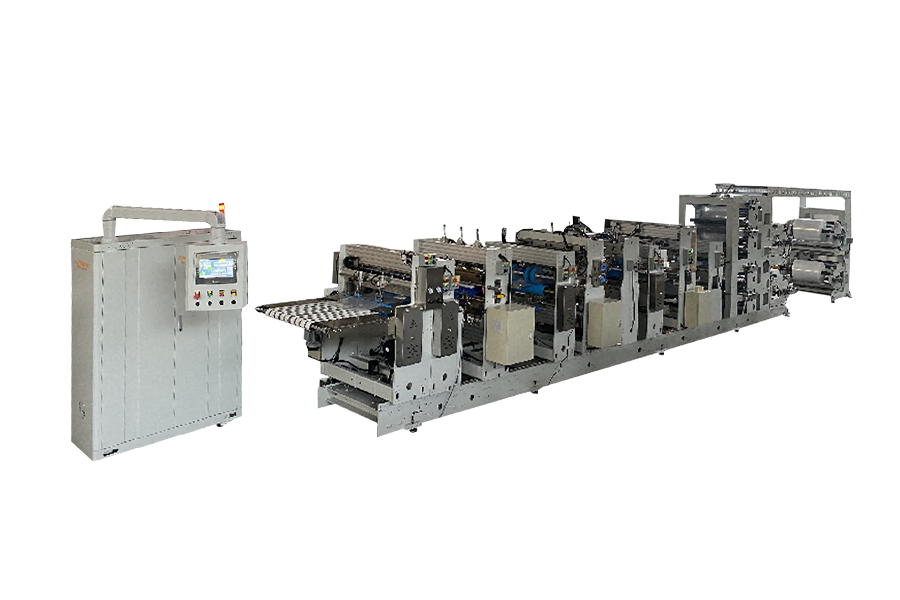
DLP-600 intelligent BIB bag-in-box bag making machine
The DLP-600BIB Box-in-Bag Intelligent Bag-Making Machine is ... View More
-
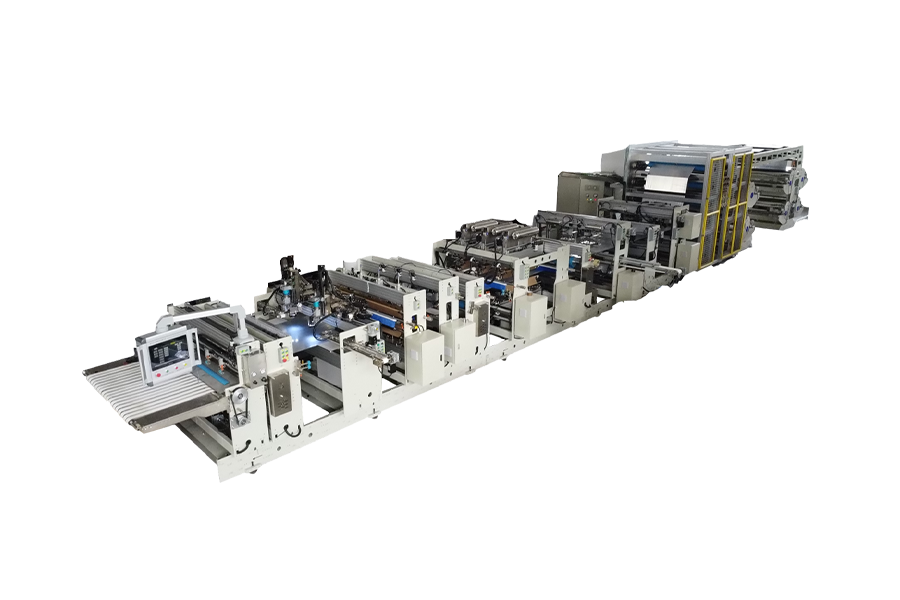
DLP-1600 intelligent BIB bag-in-box bag making machine
The DLP-1600BIB Box-in-Bag Intelligent Bag-Making Machine is... View More
-
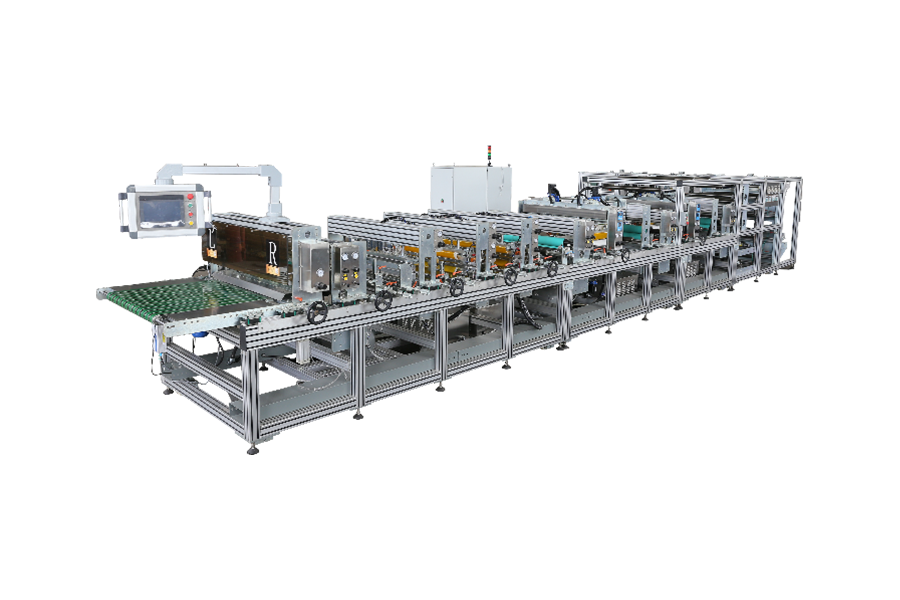
DLP-1300DD medical high temperature sterilization pouch/header bag making machine
DLP-1300 medical high temperature sterilization bag/header b... View More
-
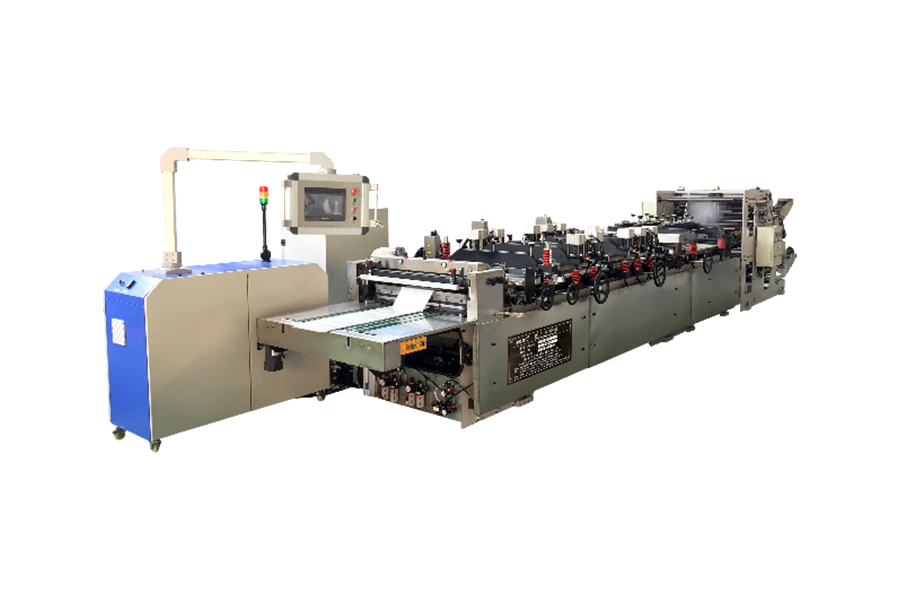
DLP-600 medical paper plastic composite bag making machine
DLP-600 medical paper-plastic bag making machine is suitable... View More
-
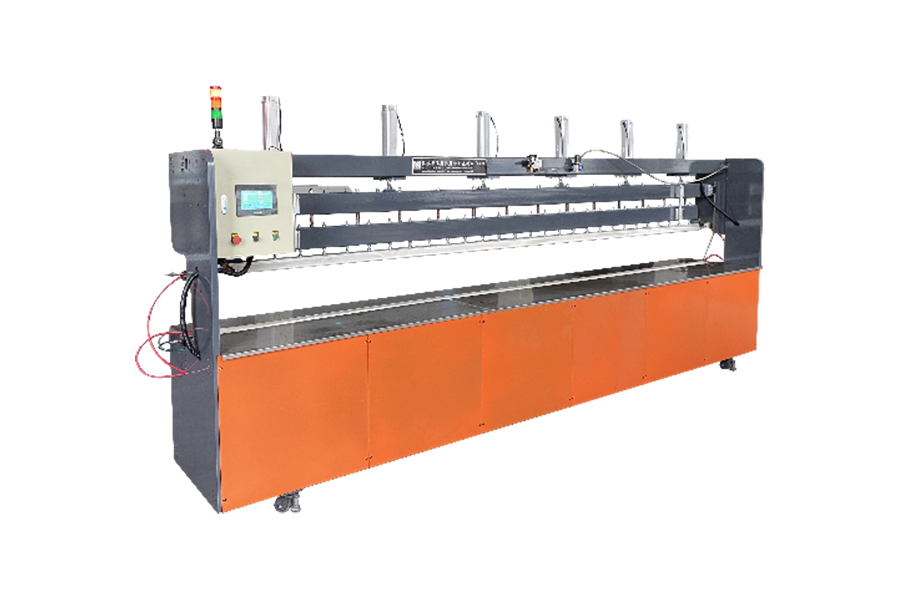
DLP-4500 sealing machine
The DLP-4500 sealing machine is in particular designed to se... View More
-
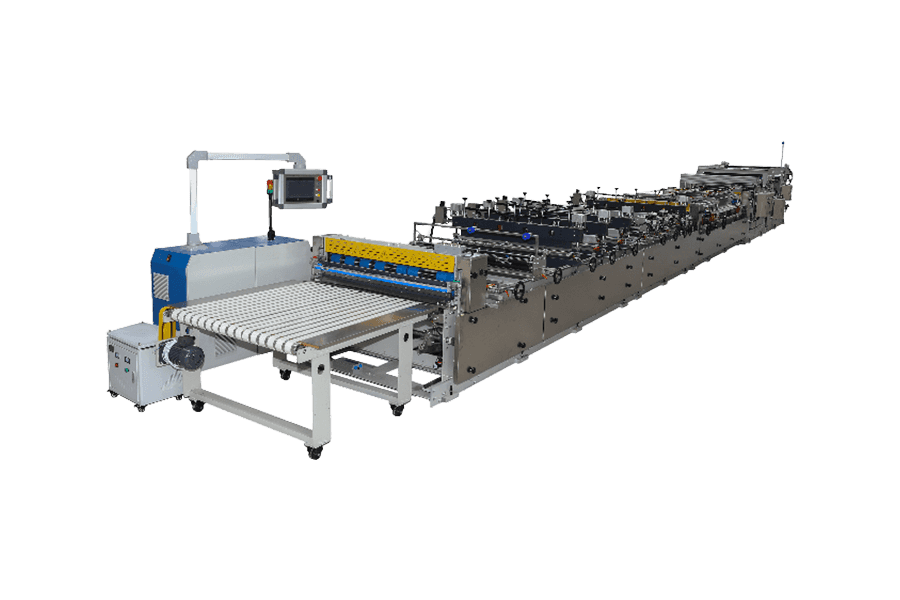
DLP-1300 vacuum storage compression bag making machine
The DLP-1300 vacuum compression bag making machine uses adva... View More
-
PHONE
+86-13606731195 (Mr. Xu)
-
EMAIL
-
ADDRESS
East side of Industry Road and north side of Pandan Road, Tongxiang Economic Development Zone (Gaoqiao Street), Jiaxing City, Zhejiang Province, China
-
FOLLOW US