English
 中文简体
中文简体 русский
 Español
News

CALL OUR OFFICE
+86-13606731195 (Mr. Xu)
Are Vacuum Compression Bags Reusable and Long Lasting?
Vacuum compression bags are highly efficient storage solutions that reduce item volume by up to 70% by removing air, making them essential for organizing homes, saving space, and protecting belongings from dust, moisture, and insects. They are universally suitable for daily, seasonal, and travel storage needs with simple operation and long-lasting usability.
Unlike ordinary storage bags, these products create an airtight sealed environment after air extraction, which not only maximizes storage space but also extends the preservation time of textiles and daily items. Whether you live in a small apartment, need to store winter bedding, or pack luggage for travel, vacuum compression bags deliver stable and reliable performance that meets diverse storage demands.
The core advantages can be summarized as space efficiency, protective performance, versatility, and cost-effectiveness. When used correctly, they maintain excellent functionality over extended periods, solving common storage problems such as cluttered closets, damaged fabrics, and limited luggage space effectively.
Key Benefits of Using Vacuum Compression Bags
Dramatic Space Savings for Compact Living
The most prominent benefit of vacuum compression bags is their exceptional space-saving capability. For fluffy items like down jackets, quilts, blankets, and sweaters, air accounts for a large proportion of their total volume. After extracting air with a vacuum cleaner or manual pump, these items compress tightly, freeing up more than half of the storage space in closets, cabinets, and luggage.
This benefit is especially valuable for urban residents with limited living space. A standard closet that can hold 2 sets of winter bedding can store up to 5 sets after using compression bags, effectively solving the problem of insufficient storage area without purchasing additional furniture.
All-Round Protection for Stored Items
Vacuum compression bags form a fully sealed barrier that blocks external dust, moisture, mold, moths, and other harmful factors. This protection is critical for long-term storage, as it prevents fabric yellowing, fiber damage, and odor absorption.
In humid climates, these bags effectively prevent mold growth on clothing and bedding; in dry environments, they stop dust accumulation. Stored items remain clean and fresh, and can be used directly without re-cleaning when taken out, saving time and labor in daily life.
Wide Applicability for Multiple Scenarios
These bags are not limited to home storage—they perform well in travel, business trips, dormitory living, and seasonal item organization. They adapt to different items, including clothing, bedding, plush toys, towels, and even delicate fabrics, with flexible usage scenarios for every user.
Reusable and Economical Choice
High-quality vacuum compression bags support hundreds of reuse cycles without damage, as long as they are used and stored properly. This reusability makes them a cost-effective alternative to disposable storage products, reducing waste and bringing long-term value to users.
Common Materials and Characteristics of Vacuum Compression Bags
The performance and durability of vacuum compression bags depend heavily on their raw materials. Most products on the market use composite plastic materials with good airtightness, toughness, and durability. Understanding material characteristics helps users choose suitable products for their needs.
Main Material Categories and Performance
- PET + PE composite material: The most widely used option, featuring high transparency, good toughness, strong sealing, and resistance to cracking; suitable for most daily storage needs.
- Thickened PE material: Soft and foldable, with strong wear resistance and drop resistance; ideal for long-term storage and frequent handling.
- Anti-tear composite material: Enhanced surface strength, not easy to pierce or scratch; perfect for storing items with slightly rough surfaces like plush toys and winter coats.
Material Selection Guide
For daily clothing and lightweight bedding, standard PET+PE composite bags offer sufficient performance. For heavy bedding, large blankets, or long-distance travel, thickened or anti-tear materials are more reliable to prevent breakage and air leakage. All qualified materials are safe, non-toxic, and do not release harmful substances, making them safe for direct contact with textiles.
| Material Type | Key Advantages | Applicable Items |
|---|---|---|
| PET+PE Composite | Good airtightness, transparent, cost-effective | Daily clothes, sweaters, thin quilts |
| Thickened PE | Wear-resistant, foldable, durable | Winter coats, thick blankets, bedding |
| Anti-tear Composite | Anti-puncture, high toughness | Plush toys, travel luggage, heavy items |
Step-by-Step Usage Instructions for Vacuum Compression Bags
Correct operation is the key to maintaining airtightness and extending the service life of vacuum compression bags. The entire process is simple and can be mastered quickly, with standardized steps ensuring optimal compression and sealing effects.
Preparation Before Use
First, ensure that stored items are completely dry and clean—any moisture will cause mold inside the bag. Fold items neatly to reduce gaps and avoid sharp parts such as zippers, buttons, or hard decorations from directly touching the bag's inner wall, preventing punctures and air leakage.
Filling and Sealing Steps
- Place folded items evenly into the compression bag, leaving enough space at the seal to avoid blocking the sealing track.
- Use the sealing clip to press tightly along the seal track, sliding back and forth 2-3 times to ensure a complete airtight closure.
- Open the air valve cover on the bag surface, keeping the valve base clean and free of debris.
Air Extraction and Finishing
Attach a vacuum cleaner nozzle or manual pump to the air valve, and extract air continuously until the bag is fully compressed and fits tightly to the items. For most household items, 1-3 minutes of air extraction is sufficient. After extraction, close the valve cover tightly to prevent air from entering.
Finally, place the compressed bag flat in a closet, cabinet, or luggage. Avoid pressing heavy objects on the bag or placing it on sharp surfaces to maintain integrity and sealing performance.
Size Selection and Matching Storage Items
Vacuum compression bags are produced in multiple standard sizes to match different items. Choosing the right size improves space utilization and avoids damage caused by overfilling or underutilization.
Common Size Categories
- Small size: Suitable for summer clothing, T-shirts, socks, underwear, and towels; ideal for drawer and travel storage.
- Medium size: Designed for sweaters, hoodies, thin jackets, and children’s clothing; perfect for closet shelf storage.
- Large size: For winter coats, down jackets, ordinary quilts, and bed sheets; meets most household seasonal storage needs.
- Extra-large size: Exclusive for thick quilts, blankets, comforters, and large plush toys; maximizes space for bulky bedding.
Size Selection Principles
Do not overfill the bag—leave a small gap between items and the seal to ensure effective sealing. For long-term storage, choose a slightly larger size to avoid stretching the material. For travel, select medium and small sizes to fit luggage dimensions and reduce overall weight distribution.
Combining multiple sizes is the most efficient solution: use small bags for daily clothes, large bags for seasonal bedding, and extra-large bags for bulky items. This combination fully utilizes storage space and makes item classification and retrieval easier.
Suitable and Unsuitable Items for Vacuum Compression Bags
Highly Recommended Items
Vacuum compression bags work best with fluffy, soft, and resilient items that can recover their shape after compression. These include down jackets, cotton quilts, wool blankets, sweaters, hoodies, plush toys, pillows, cushions, and folded bed linens.
These items feature high air content and excellent resilience, achieving significant volume reduction without permanent deformation. After decompression, they can be shaken gently to restore their original fluffy state within a short time.
Items Not Suitable for Compression
Avoid storing items with sharp edges, hard materials, or non-resilient, delicate fabrics. Examples include leather clothing, hard-shell bags, items with metal accessories, silk products that require air circulation, and items with permanent shape memory.
Compression may cause creases, cracks, or permanent deformation to these items, and sharp parts can easily pierce the bag. Additionally, do not store food or perishables, as the sealed environment is not designed for food preservation and may cause deterioration.
Maintenance and Troubleshooting of Vacuum Compression Bags
Daily Maintenance Tips
Clean the bags with a soft cloth and mild detergent if dirty; do not use hard brushes or corrosive cleaners. After use, dry the bags completely in a ventilated area before folding and storing them in a cool, dry place away from direct sunlight and high temperatures.
Proper maintenance extends the service life by up to 80% compared to improper storage. Avoid folding the sealing track and air valve parts forcefully to prevent cracks and air leakage.
Common Problems and Solutions
- Air leakage: Check the seal for debris, re-seal with the clip, and tighten the air valve. Small punctures can be repaired with special repair stickers for plastic products.
- Ineffective compression: Ensure the vacuum device works properly, check for valve blockages, and confirm the seal is fully closed without gaps.
- Difficulty opening: Do not pull forcefully; gently press the seal track to release the adhesion and open the bag smoothly.
Most issues are caused by improper operation rather than product defects. Following the instructions strictly reduces failure rates and ensures stable long-term performance.
Practical Application Scenarios for Vacuum Compression Bags
Home Seasonal Storage
Seasonal clothing and bedding are the main application scenarios. In winter, store summer clothes, thin quilts, and mats to save closet space; in summer, compress down jackets, wool coats, and thick blankets for compact storage. This keeps closets tidy and protects items from dust and moisture year-round.
Travel and Business Trips
Vacuum compression bags are ideal travel companions. They reduce luggage volume significantly, allowing you to pack more clothes without exceeding weight limits. Compressed clothes remain wrinkle-free, and the waterproof barrier protects items from spills and rain during transit.
Dormitory and Small-Apartment Living
For students and urban dwellers with limited space, these bags are essential storage tools. They maximize the use of under-bed spaces, cabinet tops, and narrow closets, turning small living areas into organized and comfortable environments without bulky storage furniture.
Long-Term Item Preservation
For memory items such as seasonal commemorative clothes, family blankets, and childhood plush toys, vacuum compression bags provide long-term protection. They isolate dust, moisture, and oxidation, keeping items in good condition for years without damage or deterioration.
Buying Guide for High-Quality Vacuum Compression Bags
When purchasing vacuum compression bags, focus on material thickness, sealing performance, valve design, and reusability instead of only price. High-quality products feature thicker materials, smooth sealing tracks, and one-way air valves that prevent backflow.
Check for complete sealing clips and repair accessories in the package, as these small parts directly affect usability. Choose assorted size sets for versatile use, as they offer better value and meet multiple storage needs at the same time.
Prioritize products with uniform material texture, no peculiar smell, and clear production instructions. Safe and durable materials ensure no harm to stored items and bring a better user experience. A reliable set of vacuum compression bags will serve you well for many years.
RELATED PRODUCTS
-
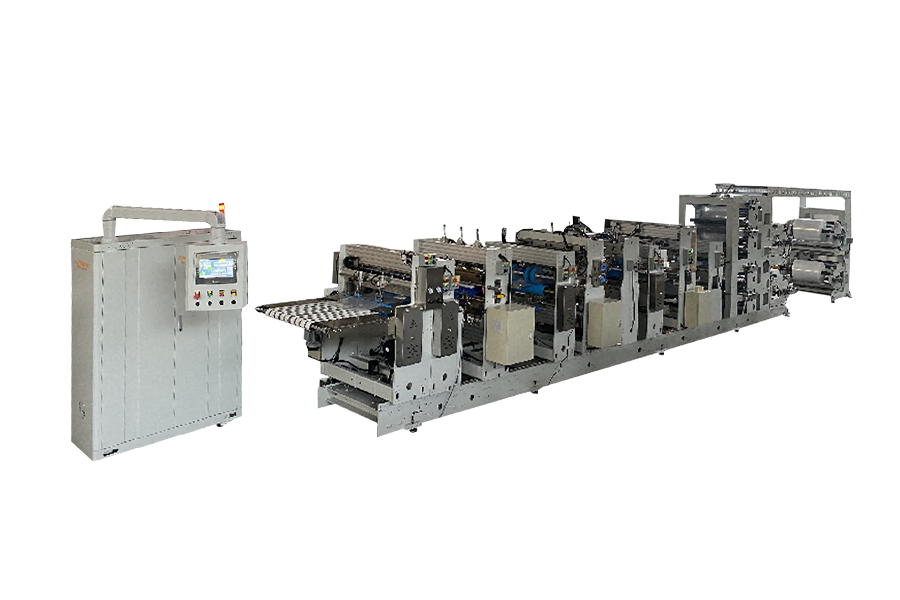
DLP-600 intelligent BIB bag-in-box bag making machine
The DLP-600BIB Box-in-Bag Intelligent Bag-Making Machine is ... View More
-
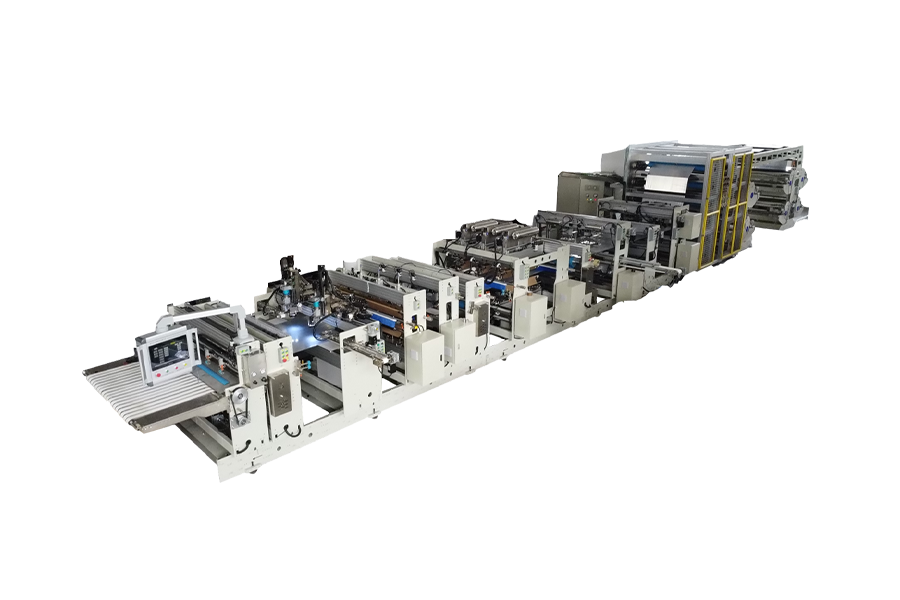
DLP-1600 intelligent BIB bag-in-box bag making machine
The DLP-1600BIB Box-in-Bag Intelligent Bag-Making Machine is... View More
-
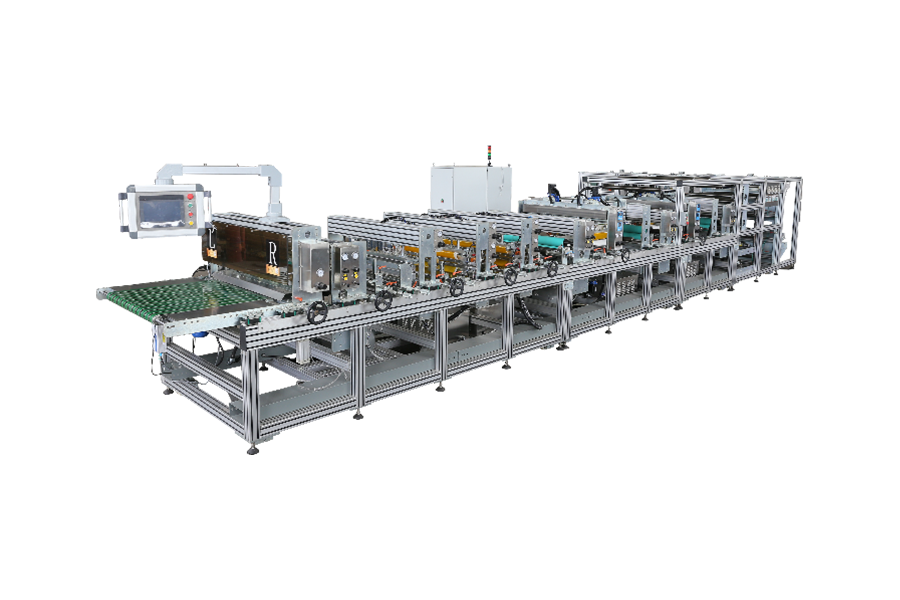
DLP-1300DD medical high temperature sterilization pouch/header bag making machine
DLP-1300 medical high temperature sterilization bag/header b... View More
-
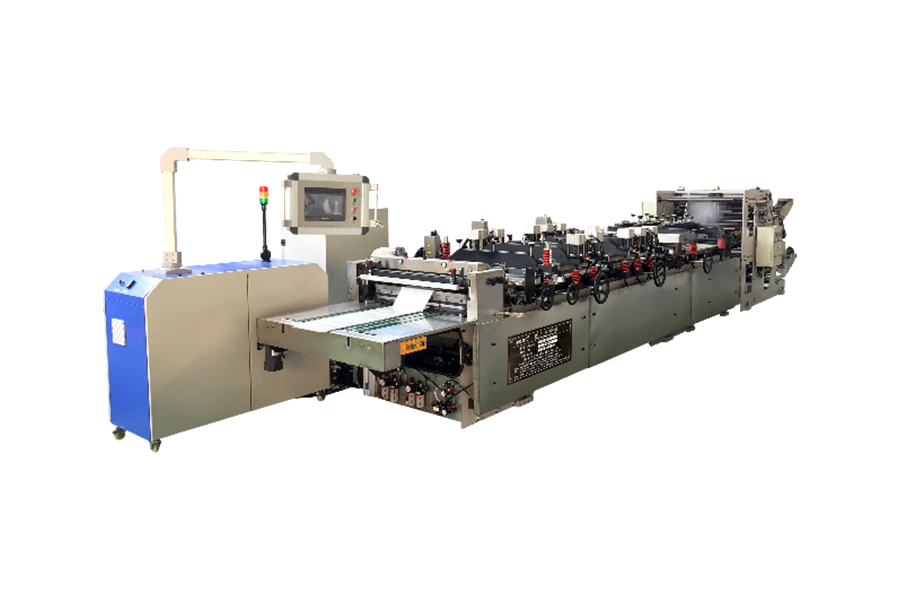
DLP-600 medical paper plastic composite bag making machine
DLP-600 medical paper-plastic bag making machine is suitable... View More
-
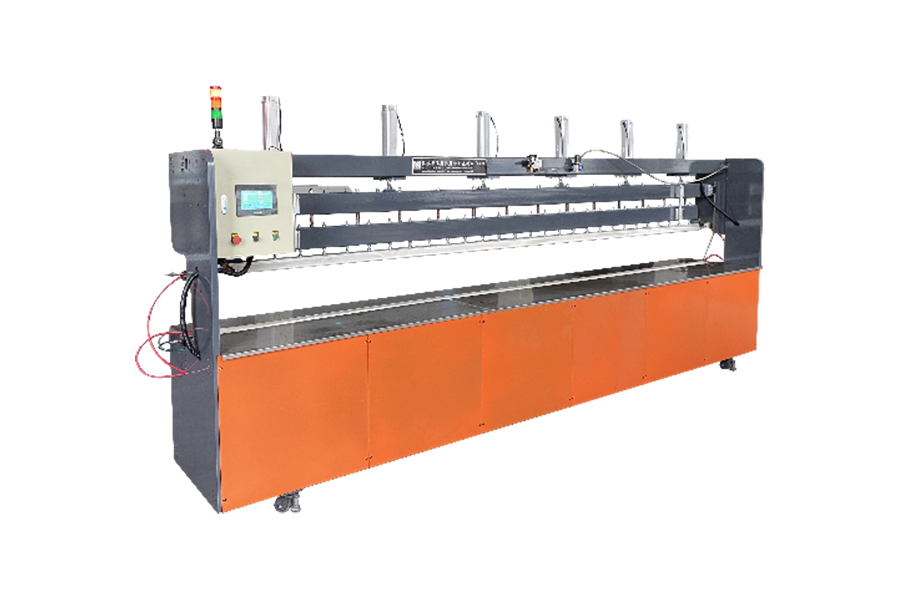
DLP-4500 sealing machine
The DLP-4500 sealing machine is in particular designed to se... View More
-
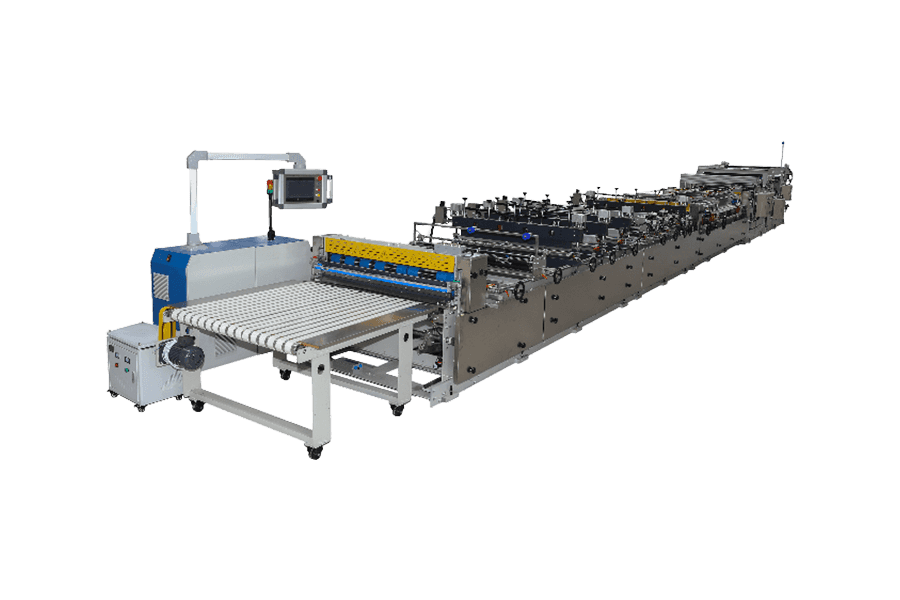
DLP-1300 vacuum storage compression bag making machine
The DLP-1300 vacuum compression bag making machine uses adva... View More
-
PHONE
+86-13606731195 (Mr. Xu)
-
EMAIL
-
ADDRESS
East side of Industry Road and north side of Pandan Road, Tongxiang Economic Development Zone (Gaoqiao Street), Jiaxing City, Zhejiang Province, China
-
FOLLOW US