English
 中文简体
中文简体 русский
 Español
News

CALL OUR OFFICE
+86-13606731195 (Mr. Xu)
What Is a Flexitank and How Is It Different from a Container Liner Bag?
Flexitanks and container liner bags are both large-format flexible bulk packaging systems designed to transport liquid or dry bulk products in standard ISO shipping containers. They are often discussed together and sometimes confused, but they serve different product categories, operate on different technical principles, and require different manufacturing equipment. For buyers evaluating flexitank bag-making machines or container liner bag-making machines, understanding the distinction determines which product — and which machine — matches their specific application.
What Is a Flexitank?
A flexitank (also called a flexi-bag or liquid bulk container) is a large single-use or multi-use flexible bladder designed to be installed inside a standard 20-foot ISO dry freight container for transporting non-hazardous bulk liquids. Filled, a flexitank holds 14,000 to 24,000 liters of liquid — utilizing the full internal volume of the container as the structural outer shell, with the flexitank bladder providing the liquid containment.
The flexitank is installed inside the container before loading, connected to a loading valve fitted through the container door, filled with liquid at the origin facility, sealed, shipped, and discharged at the destination through the same or a separate discharge valve. After discharge, the flexitank is either disposed of (single-use) or cleaned and returned for reuse (multi-use applications).
Flexitanks are used for bulk transport of non-hazardous liquids, including edible oils, wine, fruit juice concentrates, liquid foodstuffs, non-hazardous industrial chemicals, glycols, latex, and liquid fertilizers. The key application criteria are that the liquid must be non-hazardous under international transport regulations (IMDG Code) — flexitanks are not approved for transport of flammable, toxic, or corrosive liquids classified as dangerous goods.
What Is a Container Liner Bag?
A container liner bag (also called a bulk container liner or dry bulk liner) is a large flexible film bag installed inside a standard ISO container for transporting dry bulk products — grains, flour, sugar, chemicals, minerals, plastic pellets, and similar dry materials. Unlike a flexitank (which is used for liquids), a container liner is used for dry bulk products that would otherwise require drums, sacks, or other intermediate packaging.
The container liner is installed against the internal walls and floor of the container, filled with dry bulk product through a filling spout at the top or rear, sealed, and shipped. At the destination, the product is discharged by opening the discharge spout and allowing the product to flow out under gravity or with pneumatic assist. The liner prevents the bulk product from directly contacting the container walls (which may be contaminated with residues from previous cargo), provides a moisture barrier, and allows complete evacuation of the product without manual scooping or sweeping.
Container liner bags are used across the grain trade, sugar industry, chemical bulk transport, and polymer pellet logistics. They are a cost-effective alternative to 25kg sack packaging or drum packaging for bulk materials where the shipment volume justifies the container load format (typically 20 to 26 tons of dry product per 20-foot container).
Key Differences Between Flexitanks and Container Liner Bags
| Flexitank | Container Liner Bag | |
|---|---|---|
| Product type | Liquid and semi-liquid bulk products | Dry bulk products (powders, granules, grains) |
| Capacity | 14,000 – 24,000 liters (liquid volume) | 20 – 26 metric tons (dry bulk weight) |
| Film construction | Heavy multilayer PE or coextruded film, 200–500 microns total | PE or PP woven fabric with PE film liner, lighter construction |
| Structural support | Container walls provide full structural containment for hydraulic pressure | Container walls provide support; the liner primarily provides a cleanliness barrier |
| Filling method | Pump filling through valve; sealed before transport | Gravity or pneumatic filling through the top spout |
| Discharge method | Gravity or pump discharge through the bottom valve; container tilted for full drainage | Gravity discharge through rear spout; pneumatic assist for fine powders |
| Approved for dangerous goods? | No — non-hazardous liquids only | Depends on product classification; most dry bulk non-hazardous |
| Single-use vs reusable | Both options exist; single-use dominates food applications | Single-use standard |
| Machine type for manufacturing | Flexitank / flat container liner bag making machine (large format) | Container liner bag making machine (wide film, spout welding) |
Flexitank Construction: How It Is Made
A flexitank is a technically demanding product to manufacture. The bladder must withstand the full hydrostatic pressure of up to 24,000 liters of liquid — equivalent to a static head pressure of approximately 2.4 meters of liquid depth — across its entire surface area, including all seams and valve attachment points. This requires:
- Heavy multilayer film construction: Most flexitanks use two or more layers of PE film (inner and outer bag) with a total wall thickness of 200 to 500 microns. The outer layer may be a woven PP fabric laminated with PE film for additional puncture resistance.
- High-strength seam welding: All seam welds must be tested to withstand the full hydraulic pressure load. Weld integrity testing (typically a hydrostatic pressure test or burst test on sample welds) is a required quality step in flexitank production.
- Valve and fitting integration: The filling and discharge valves must be welded into the film with leak-proof joints that maintain integrity under full liquid pressure. Valve quality is a critical failure point — valve leakage is the most common cause of flexitank failures in transit.
- Large format bag making: Flexitanks require bag-making machines capable of processing wide film widths (2,000mm and above) and forming the large rectangular or pillow-shaped bag geometry that fills the container interior when loaded.
The DLP-4000 intelligent container flat flexitank bag making machine is designed for producing flat flexitank bags at the large film widths required for container-filling liquid bulk applications.
Container Liner Bag Construction: How It Is Made
Container liner bags are simpler in construction than flexitanks — the primary function is creating a clean, sealed film barrier inside the container rather than withstanding hydraulic pressure. Standard container liner bags are made from PE film or from a woven PP fabric with a PE liner layer, with filling and discharge spouts heat-welded into the bag at the appropriate positions.
The key manufacturing challenges for container liner bags are producing the correct bag geometry (sized to fit the internal dimensions of the ISO container — typically 5,800mm long × 2,300mm wide × 2,200mm high for a 20-foot container), ensuring consistent spout welds, and managing the large film widths involved. The DLP-2500 intelligent sea bulk container liner bag making machine is designed for this application.
How to Choose Between Flexitank and Container Liner for a Bulk Shipping Application
The choice between a flexitank and a container liner bag for a bulk shipping application is determined primarily by the physical state of the product being shipped:
- If the product is liquid at shipping temperature → flexitank
- If the product is a dry powder, granule, or grain → container liner bag
- If the product is a semi-liquid or paste (too viscous to flow easily but not a dry solid) → evaluate both options; viscosity testing determines whether a flexitank can fill and discharge adequately
- If the product is classified as dangerous goods → neither option; use approved IBC or drum packaging
Frequently Asked Questions
How many trips can a flexitank be used for?
Most flexitanks used in food and beverage applications are single-use — the bladder is disposed of after one filling and discharge cycle to avoid cross-contamination risk. Multi-use flexitanks are used in industrial chemical applications where the product is consistent across trips and the flexitank can be cleaned and inspected between uses. For food-grade liquids, single-use is the industry standard and is required by most food safety management programs.
Is a flexitank cheaper than ISO tank containers?
For bulk liquid shipments, flexitanks are typically significantly cheaper than ISO tank containers (also called ISO tanks or T11/T14 tanks) on a per-liter basis for one-way shipments. ISO tanks have a high capital cost and require return logistics after discharge; flexitanks are single-use consumables that avoid the return freight cost. The economics favor flexitanks for trade lanes where the empty return of ISO tanks is expensive or logistics-intensive. ISO tanks are generally preferred for repeat round-trip shipments where the return logistics cost is low and the volume per year justifies the capital investment.
What is the maximum viscosity of a liquid that can be transported in a flexitank?
The maximum pumpable viscosity for flexitank loading and discharge depends on the pump type and the specific valve/hose configuration used. As a general guide, liquids with viscosity up to approximately 5,000 cP (centipoise) at the pumping temperature can be loaded and discharged through standard flexitank fittings. Higher viscosity products may require heating (where the product permits) to reduce viscosity to the pumpable range, or may be better suited to semi-bulk packaging formats such as 1,000-liter IBCs rather than flexitanks.
What international standards apply to flexitank manufacturing?
The primary international standard for flexitank manufacturing and testing is the CEFIC (European Chemical Industry Council) Flexitank Guidelines, which specify design, testing, and operational requirements. The Flexitank Industry Users Group (FIUG) has published operational guidelines covering installation, filling, and discharge procedures. For food-grade flexitanks, compliance with FDA 21 CFR food contact regulations (US) or EU Regulation 10/2011 (EU) is required for the film materials in contact with the food product. ISO 9001 certification of the manufacturer is the minimum quality management certification expected by international buyers.
Flexitank and Container Liner Bag Making Machines from Delipu
Zhejiang Delipu Intelligent Manufacturing Co., Ltd. manufactures intelligent bag-making machines for both flexitank and container liner bag production — including the DLP-4000 intelligent container flat flexitank bag making machine and the DLP-2500 intelligent sea bulk container liner bag making machine. With 20+ years of bag-making machine manufacturing expertise and a smart factory facility in Tongxiang, Zhejiang Province, Delipu supplies large-format bag-making equipment to manufacturers across the global bulk logistics packaging industry.
Contact us to discuss your production requirements, request machine specifications, and receive a project quotation.
Related Products: DLP-4000 Flexitank Bag Making Machine | DLP-2500 Sea Bulk Container Liner Bag Machine | DLP-1300 Container Logistics Inflatable Bag Machine | All Industrial Packaging Bag Making Machines
RELATED PRODUCTS
-
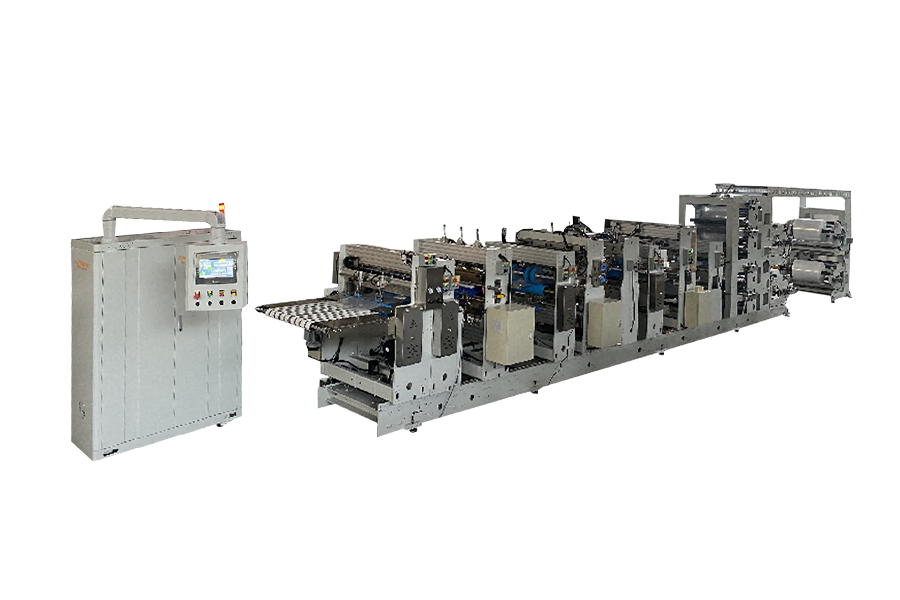
DLP-600 intelligent BIB bag-in-box bag making machine
The DLP-600BIB Box-in-Bag Intelligent Bag-Making Machine is ... View More
-
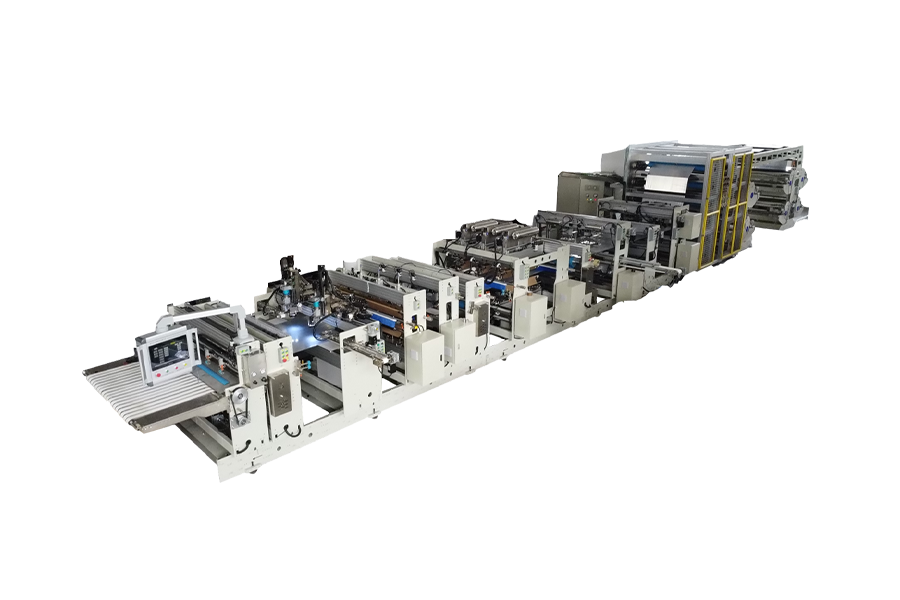
DLP-1600 intelligent BIB bag-in-box bag making machine
The DLP-1600BIB Box-in-Bag Intelligent Bag-Making Machine is... View More
-
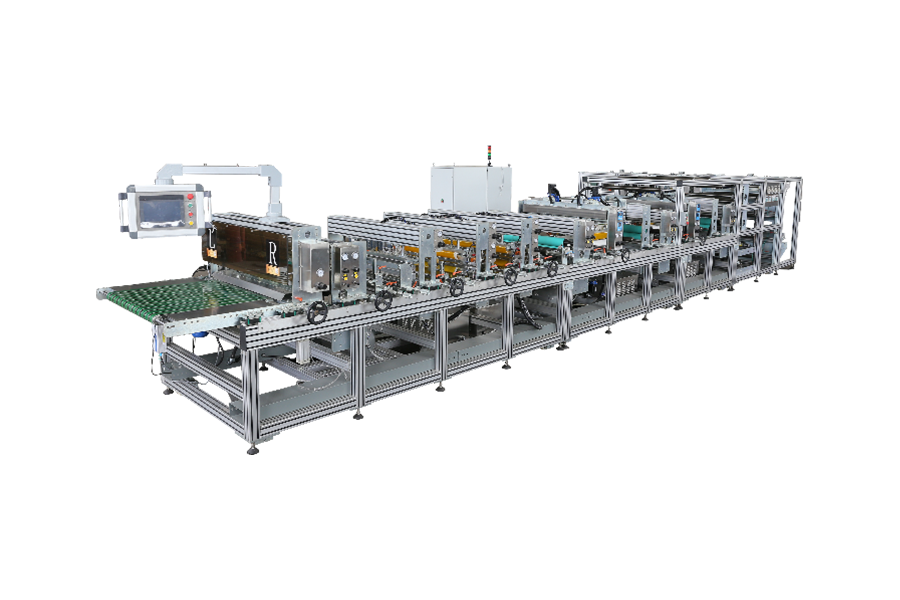
DLP-1300DD medical high temperature sterilization pouch/header bag making machine
DLP-1300 medical high temperature sterilization bag/header b... View More
-
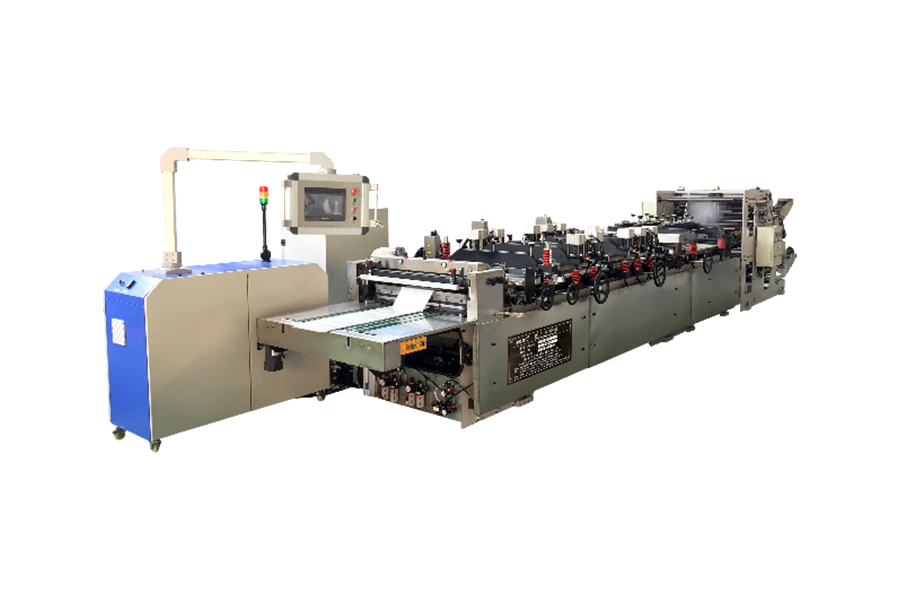
DLP-600 medical paper plastic composite bag making machine
DLP-600 medical paper-plastic bag making machine is suitable... View More
-
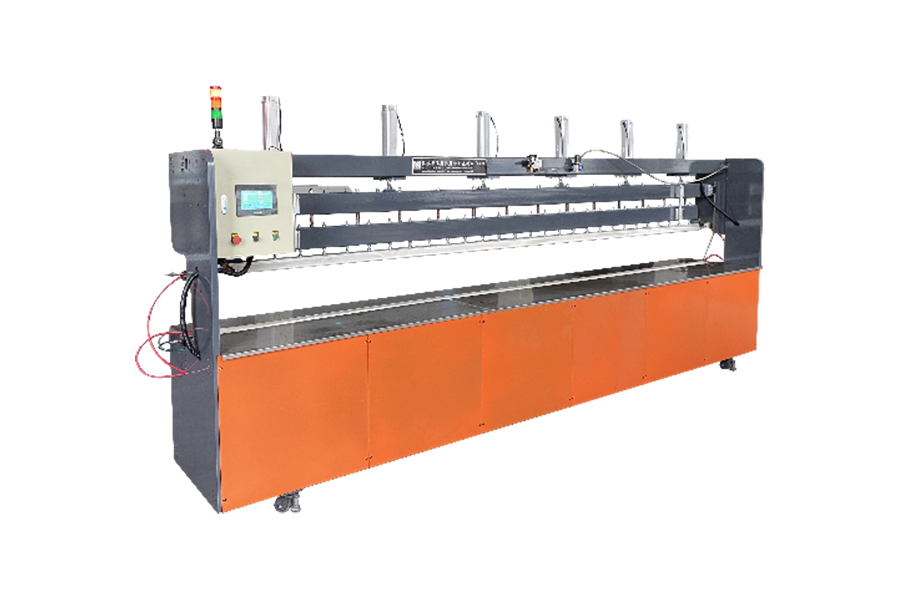
DLP-4500 sealing machine
The DLP-4500 sealing machine is in particular designed to se... View More
-
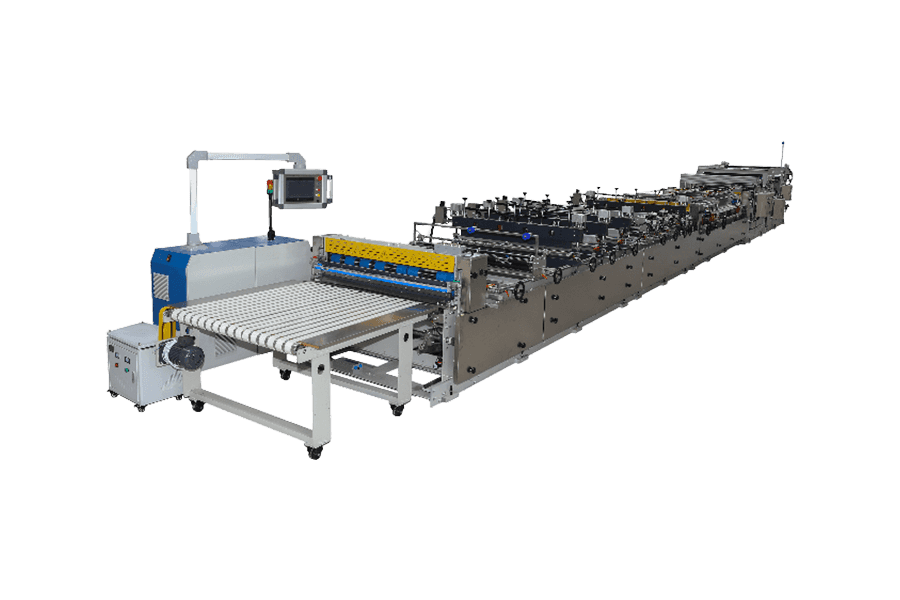
DLP-1300 vacuum storage compression bag making machine
The DLP-1300 vacuum compression bag making machine uses adva... View More
-
PHONE
+86-13606731195 (Mr. Xu)
-
EMAIL
-
ADDRESS
East side of Industry Road and north side of Pandan Road, Tongxiang Economic Development Zone (Gaoqiao Street), Jiaxing City, Zhejiang Province, China
-
FOLLOW US