English
 中文简体
中文简体 русский
 Español
News

CALL OUR OFFICE
+86-13606731195 (Mr. Xu)
How Can Ton Bag Lining Bags Reduce Product Loss and Moisture Damage?
Ton Bag Lining Bag: A Critical Component for Bulk Packaging
Ton bag lining bags are indispensable for ensuring the safety, hygiene, and integrity of bulk materials during storage and transportation. These liners provide a protective barrier between the contents and the outer bag, preventing contamination, moisture ingress, and product loss. Whether used in agriculture, chemicals, or construction, ton bag lining bags enhance efficiency and reduce operational risks.
The primary function of a ton bag lining is to act as a shield. For instance, in the food industry, liners prevent direct contact between perishable goods and the woven fabric, maintaining freshness. Similarly, in chemical applications, they resist corrosive substances, extending the lifespan of the outer bag. Studies show that using liners can reduce product spillage by up to 30%.
Key Benefits of Using Ton Bag Lining Bags
Ton bag lining bags offer numerous advantages that make them a preferred choice for bulk packaging. Below are the most significant benefits:
- Moisture Protection: Liners create a waterproof barrier, ideal for hygroscopic materials like sugar or cement.
- Contamination Prevention: Ensures purity in food-grade or pharmaceutical applications.
- Cost Efficiency: Reduces the need for expensive secondary packaging.
- Versatility: Available in various materials to suit specific needs.
For example, a construction company reported a 20% reduction in cement waste after switching to lined ton bags. This demonstrates how liners directly impact profitability and sustainability.
Materials Used in Ton Bag Lining Bags
The choice of material for ton bag lining bags depends on the application. Below is a comparison of common materials:
| Material | Key Features | Best Use Cases |
|---|---|---|
| Polyethylene (PE) | Waterproof, flexible | Food, chemicals |
| Polypropylene (PP) | Durable, heat-resistant | Construction, minerals |
| Aluminum Foil | Light-blocking, moisture-proof | Sensitive chemicals |
Selecting the right material is crucial. For instance, aluminum foil liners are preferred for light-sensitive products, while PE liners are cost-effective for general use.
How to Choose the Right Ton Bag Lining Bag
Choosing the appropriate liner involves considering several factors. Here’s a step-by-step guide:
- Identify the material properties (e.g., moisture sensitivity, corrosiveness).
- Determine the required barrier strength (e.g., tear resistance).
- Check compatibility with the outer bag material.
- Evaluate regulatory requirements (e.g., FDA for food).
For example, a pharmaceutical company must prioritize FDA-approved liners to avoid regulatory violations. Improper liner selection can lead to product recalls, costing millions.
Industry Applications of Ton Bag Lining Bags
Ton bag lining bags are used across diverse industries. Below are some prominent examples:
Agriculture
Liners protect seeds, fertilizers, and grains from pests and moisture, ensuring quality during transport.
Chemicals
Corrosive substances require liners with high chemical resistance to prevent leaks and spills.
Construction
Cement and sand liners minimize dust and material loss, improving on-site efficiency.
A case study from a mining company revealed that using lined ton bags reduced product loss by 25% during transit, highlighting the liner’s value in heavy industries.
Maintenance and Best Practices
Proper handling and maintenance of ton bag lining bags can extend their lifespan and ensure optimal performance. Key practices include:
- Inspect liners for tears or punctures before use.
- Store liners in a dry, cool place to prevent degradation.
- Follow manufacturer guidelines for cleaning and reuse.
Adhering to these practices can reduce replacement costs by up to 15%, according to industry reports.
RELATED PRODUCTS
-
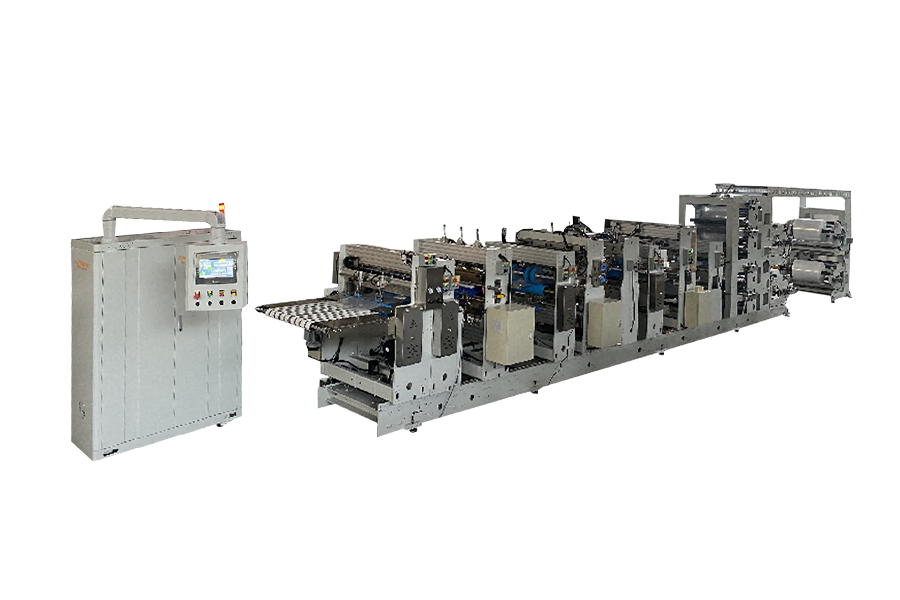
DLP-600 intelligent BIB bag-in-box bag making machine
The DLP-600BIB Box-in-Bag Intelligent Bag-Making Machine is ... View More
-
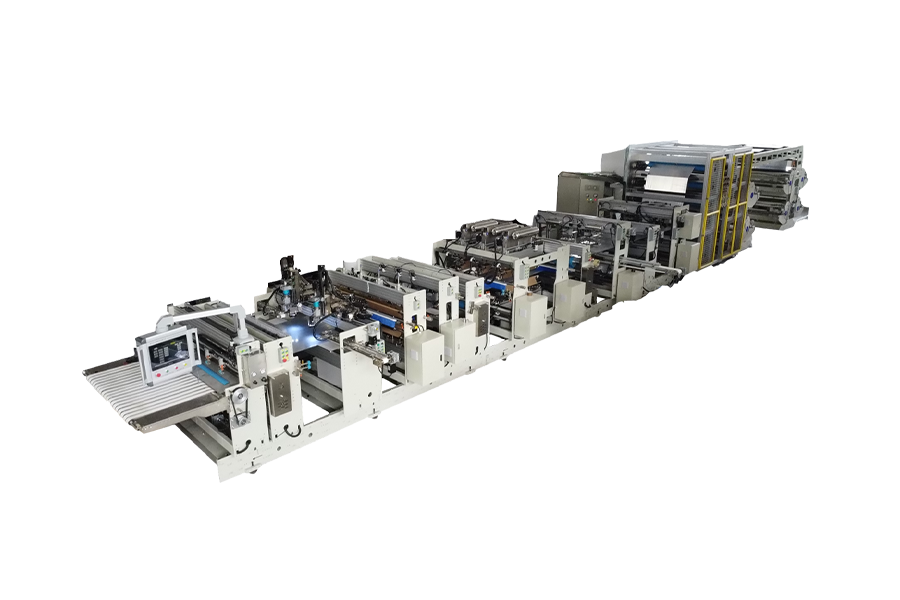
DLP-1600 intelligent BIB bag-in-box bag making machine
The DLP-1600BIB Box-in-Bag Intelligent Bag-Making Machine is... View More
-
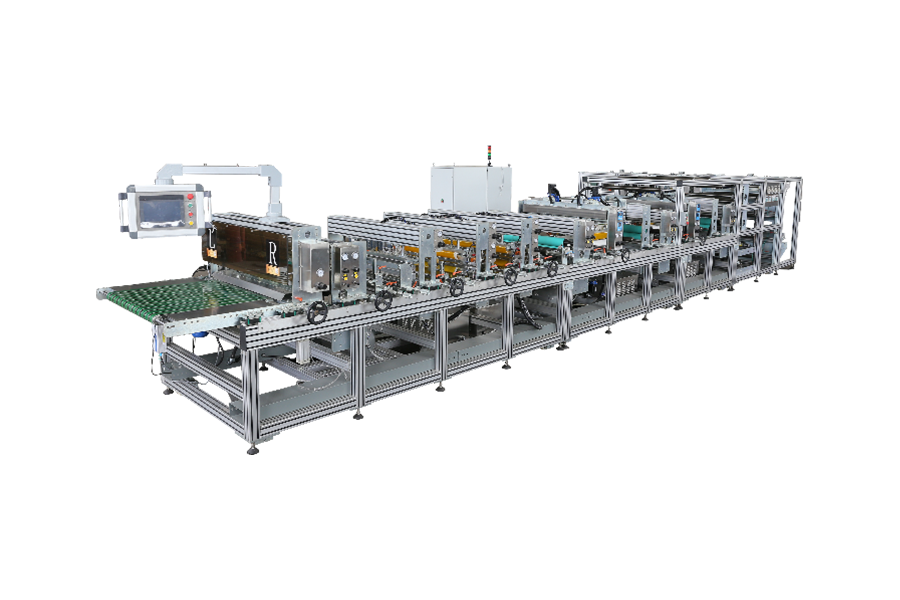
DLP-1300DD medical high temperature sterilization pouch/header bag making machine
DLP-1300 medical high temperature sterilization bag/header b... View More
-
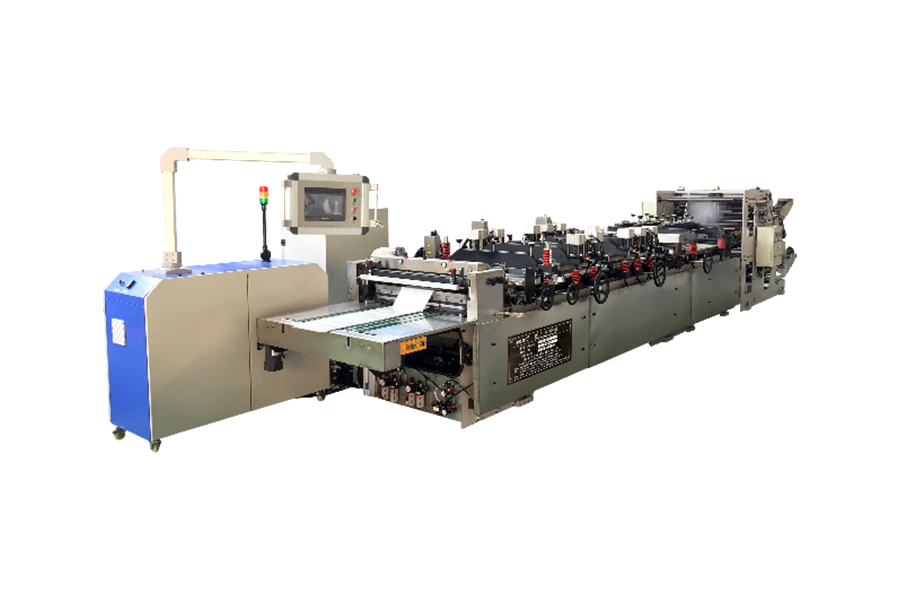
DLP-600 medical paper plastic composite bag making machine
DLP-600 medical paper-plastic bag making machine is suitable... View More
-
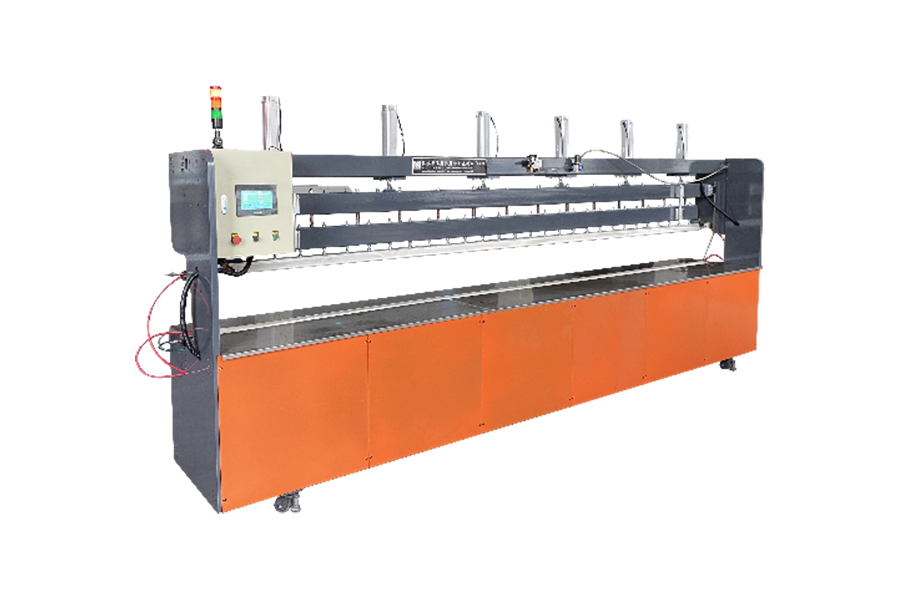
DLP-4500 sealing machine
The DLP-4500 sealing machine is in particular designed to se... View More
-
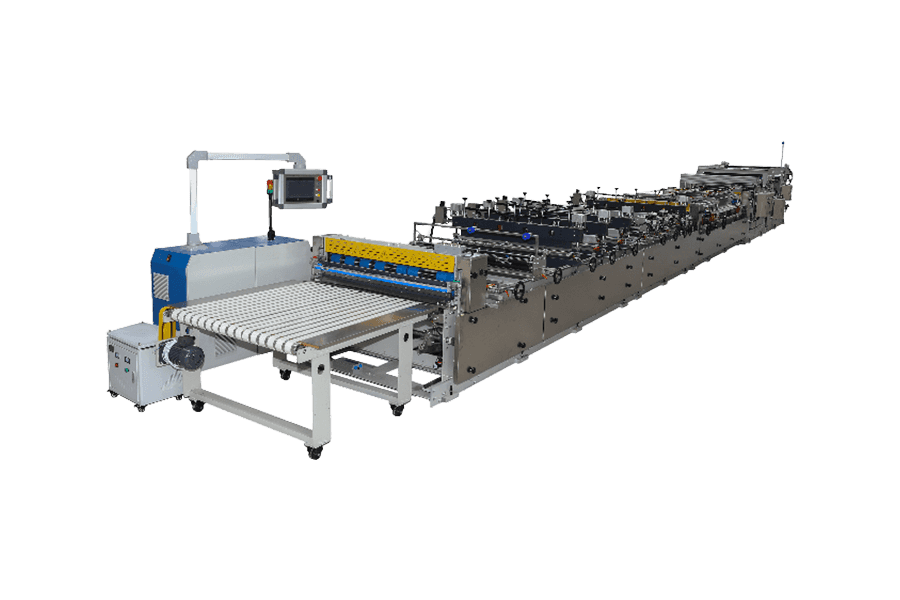
DLP-1300 vacuum storage compression bag making machine
The DLP-1300 vacuum compression bag making machine uses adva... View More
-
PHONE
+86-13606731195 (Mr. Xu)
-
EMAIL
-
ADDRESS
East side of Industry Road and north side of Pandan Road, Tongxiang Economic Development Zone (Gaoqiao Street), Jiaxing City, Zhejiang Province, China
-
FOLLOW US