English
 中文简体
中文简体 русский
 Español
News

CALL OUR OFFICE
+86-13606731195 (Mr. Xu)
Intelligent Liner Bag Making Machine: How to Improve the Accuracy and Production Stability of Liner Bag Manufacturing?
Introduction
In the modern packaging manufacturing field, liner bags, as an important functional packaging form, are widely used in various scenarios such as chemicals, food, pharmaceuticals, and new materials. With the increasing demands of enterprises for production efficiency, stability, and intelligence, the Intelligent Liner Bag Making Machine is gradually becoming a core equipment in high-end packaging production lines.
Intelligent Design Improves Bag Making Accuracy and Stability
The core advantage of the Intelligent Liner Bag Making Machine lies in its highly integrated intelligent control system. The entire machine usually adopts advanced automatic control logic to achieve continuous operation from raw material unwinding, forming, welding to finished product output. The intelligent system can monitor the operating status in real time, dynamically adjust tension, temperature, and speed, thus ensuring the stability of the liner bag forming process. Compared with traditional bag making equipment, this intelligent design significantly reduces errors caused by human intervention, resulting in flatter finished bags, stronger welds, and higher overall consistency.
In actual production, the equipment's adaptive capabilities are particularly outstanding. For films of different materials and thicknesses, the Intelligent Liner Bag Making Machine can achieve rapid matching through parameter optimization, reducing adjustment time and improving the overall line operating efficiency. This intelligent matching capability allows the equipment to maintain high efficiency even in multi-specification, small-batch production environments.
Structural Optimization Leads to Higher Operating Efficiency
From a mechanical structure perspective, the intelligent liner bag making machine has a more compact and reasonable overall layout. Key transmission components are precisely designed, ensuring smooth operation and low noise, effectively extending the service life of the equipment. The forming and welding areas usually adopt a modular structure, which is convenient for maintenance and facilitates future functional upgrades. While ensuring strength, the entire machine fully considers operating space and maintenance convenience, making daily maintenance more efficient.
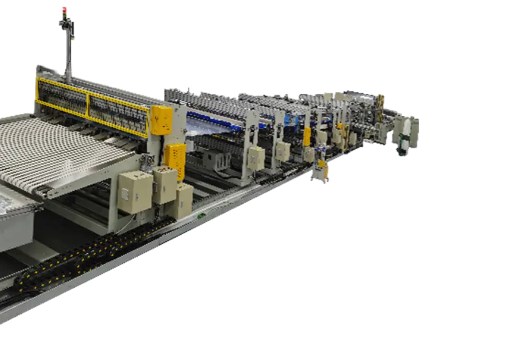
In terms of production rhythm, the Intelligent Liner Bag Making Machine focuses on continuity and synchronization. The close cooperation between each process avoids problems such as material accumulation or inconsistent rhythm, thus maintaining a stable output state. This structural optimization not only improves capacity utilization but also provides strong support for enterprises to control production costs.
Multi-functional Integration Meets Diverse Liner Bag Needs
With the continuous segmentation of downstream applications, the requirements for liner bags in terms of size, structure, and function are becoming increasingly diverse. The Intelligent Liner Bag Making Machine was designed from the outset with this trend in mind, integrating multiple functions to meet the production needs of different customers. The equipment typically supports switching between various bag types and structures, allowing for flexible adaptation to different packaging scenarios.
In terms of welding technology, the equipment has extremely high control over weld quality, ensuring that the liner bags have excellent sealing and durability during actual use. This precise control of details gives the intelligent liner bag making machine a significant advantage in demanding applications, helping companies improve overall product quality.
Automation Reduces Operating Costs
The level of automation of the Intelligent Liner Bag Making Machine is one of its key value propositions. By reducing manual intervention, the equipment performs more reliably and safely. Automatic detection and alarm functions can promptly identify operational anomalies, avoiding unnecessary downtime and material waste. Even under long periods of continuous operation, the equipment maintains consistent bag-making quality, which is particularly crucial for companies pursuing large-scale production.
Automation is not only reflected in the production process but also in data management. Some intelligent liner bag making machines have production data recording and analysis functions, helping managers to more intuitively understand equipment status and production efficiency, thus enabling more scientific decision-making. This data-driven production method is becoming an important characteristic of modern packaging factories.
The Application Value of the Intelligent Liner Bag Making Machine
Overall, the Intelligent Liner Bag Making Machine is not just a bag-making machine, but a systematic production solution. Through intelligent control, structural optimization, and multi-functional integration, it provides enterprises with stable, efficient, and sustainable liner bag production capabilities. In a manufacturing environment that demands both high quality and high efficiency, this type of equipment is gradually becoming an important tool for enhancing corporate competitiveness.
FAQ
What materials are suitable for use with the Intelligent Liner Bag Making Machine?
This equipment typically has good material adaptability and can adjust parameters according to actual needs to meet the processing requirements of different film materials.
Is the maintenance of the intelligent liner bag making machine complex?
Due to its modular and intelligent design, daily maintenance is relatively convenient, and key components are easy to inspect and replace, helping to reduce maintenance difficulties.
What core performance aspects should be considered when choosing an Intelligent Liner Bag Making Machine?
Focus should be placed on the equipment's stability, intelligent control level, and its ability to control the quality of the finished product. These factors directly affect long-term usage effects and production returns.
RELATED PRODUCTS
-
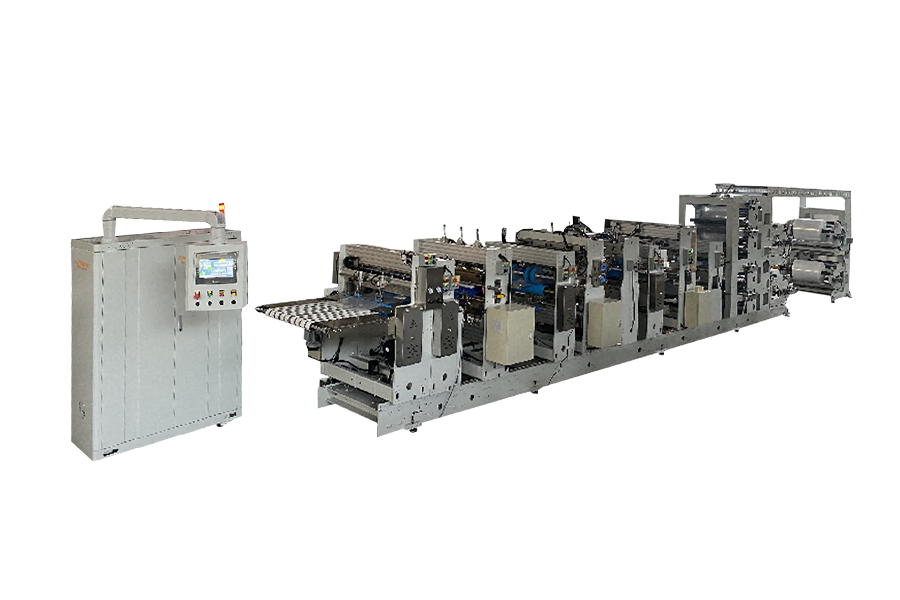
DLP-600 intelligent BIB bag-in-box bag making machine
The DLP-600BIB Box-in-Bag Intelligent Bag-Making Machine is ... View More
-
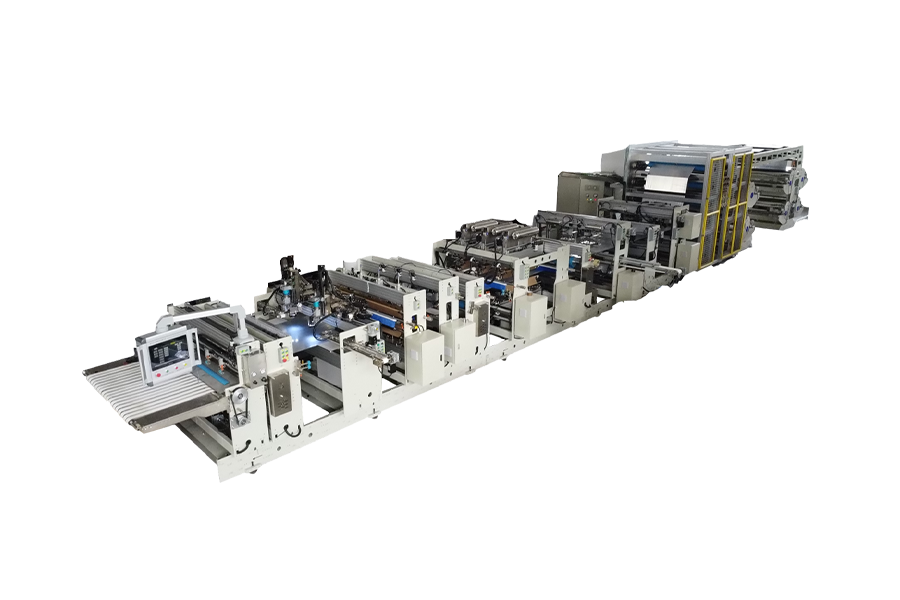
DLP-1600 intelligent BIB bag-in-box bag making machine
The DLP-1600BIB Box-in-Bag Intelligent Bag-Making Machine is... View More
-
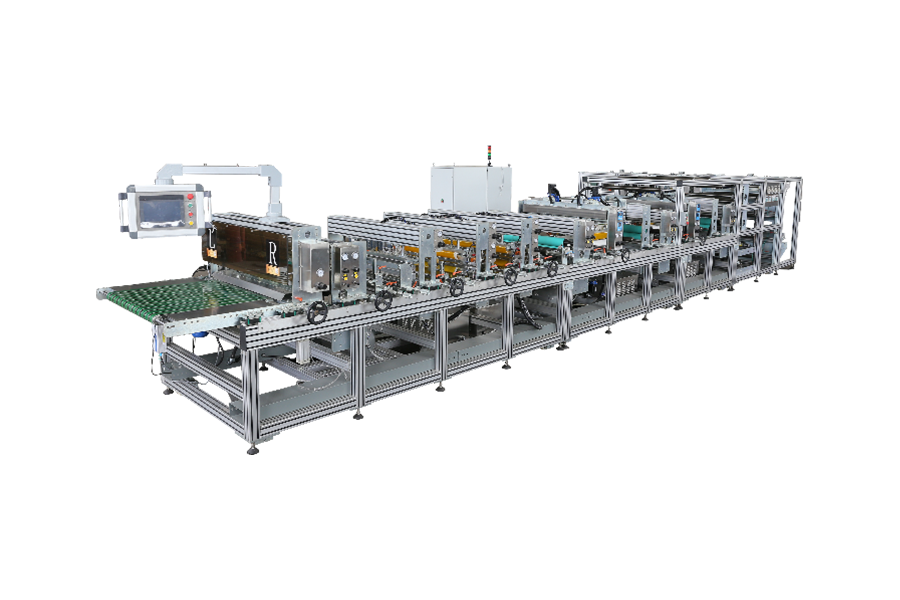
DLP-1300DD medical high temperature sterilization pouch/header bag making machine
DLP-1300 medical high temperature sterilization bag/header b... View More
-
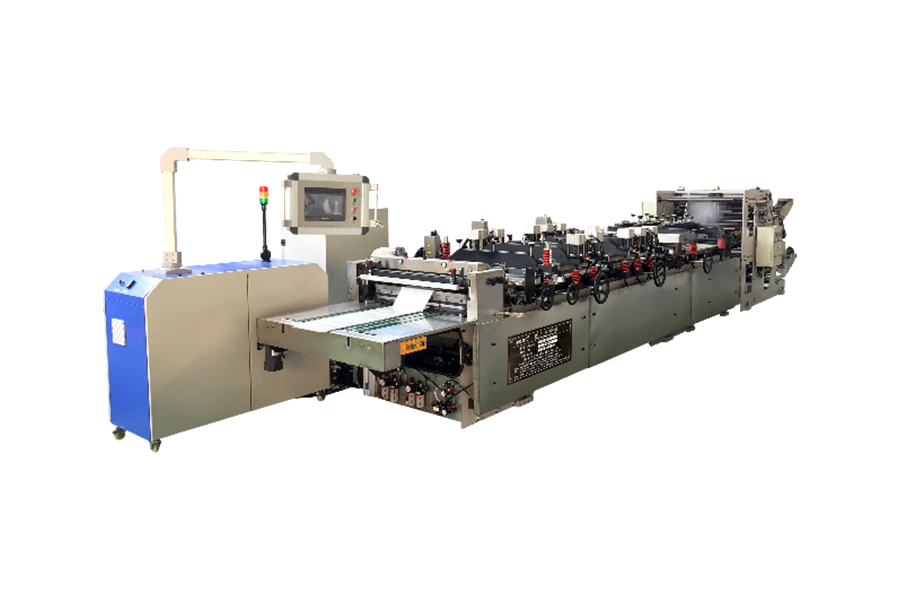
DLP-600 medical paper plastic composite bag making machine
DLP-600 medical paper-plastic bag making machine is suitable... View More
-
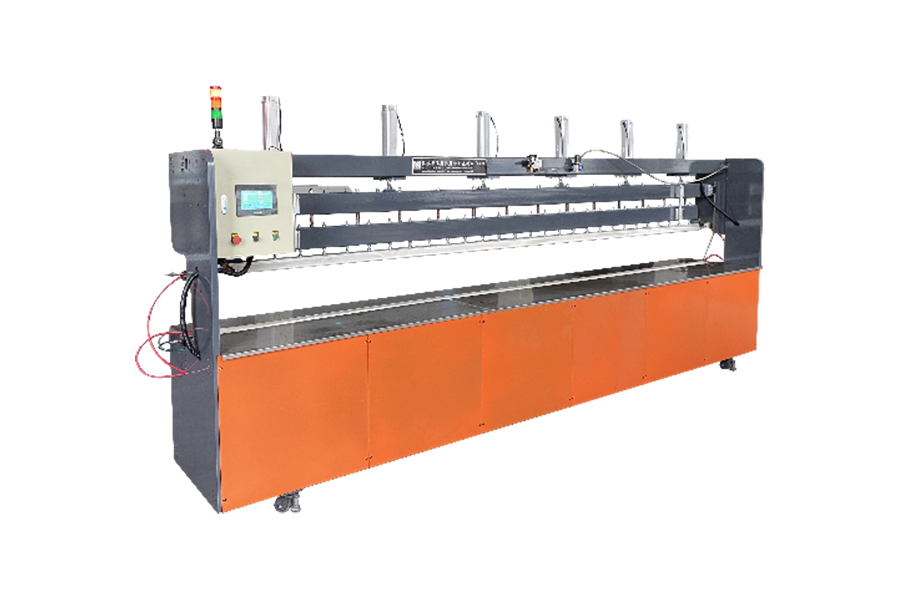
DLP-4500 sealing machine
The DLP-4500 sealing machine is in particular designed to se... View More
-
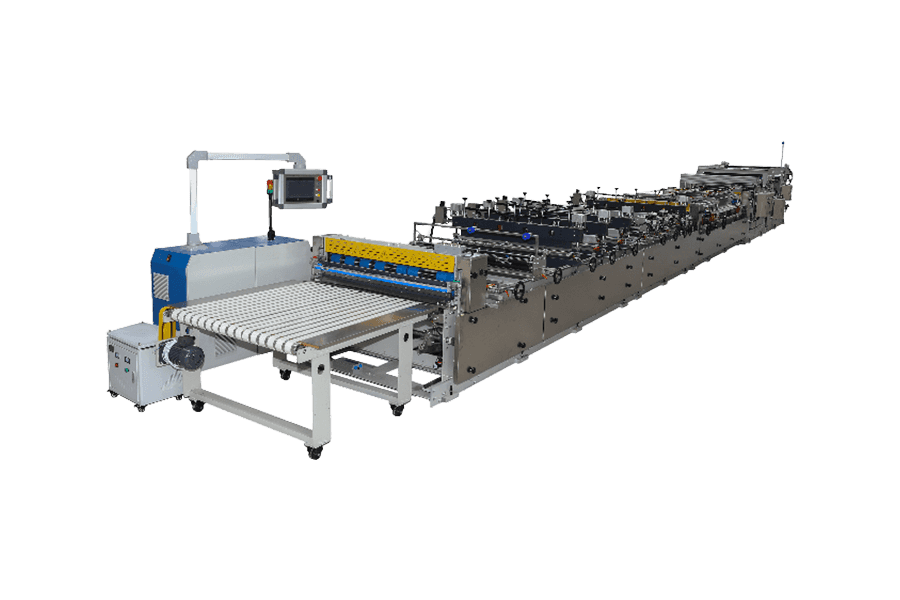
DLP-1300 vacuum storage compression bag making machine
The DLP-1300 vacuum compression bag making machine uses adva... View More
-
PHONE
+86-13606731195 (Mr. Xu)
-
EMAIL
-
ADDRESS
East side of Industry Road and north side of Pandan Road, Tongxiang Economic Development Zone (Gaoqiao Street), Jiaxing City, Zhejiang Province, China
-
FOLLOW US