English
 中文简体
中文简体 русский
 Español
News

CALL OUR OFFICE
+86-13606731195 (Mr. Xu)
How does the intelligent BIB bag-in-box bag making machine improve packaging quality and production efficiency?
In the field of packaging for liquid, semi-liquid, and high-value fluid products, bag-in-box packaging is increasingly adopted by brands due to its strong sealing performance, high transportation safety, and ease of use. As the source equipment for this packaging format, the intelligent BIB bag-in-box bag making machine is gradually becoming a key piece of equipment for companies to improve product competitiveness and production stability. It not only determines the quality of the packaging bag itself but also directly affects subsequent filling, transportation, and end-user experience.
Stable Forming Capability Brought by Intelligent Structural Design
The intelligent bag-in-box packaging bag making machine features a highly integrated structural design, with the entire machine systematically laid out around core processes such as film unwinding, forming, welding, and cutting. During operation, each functional unit works collaboratively to ensure that every stage of the packaging bag, from raw material to finished product, is stable and controllable. Through precise tension control and path design, the film remains flat even at high speeds, avoiding wrinkles and deviations, fundamentally guaranteeing the consistency of the bag's appearance and dimensions.
The forming area uses specialized molds and guiding structures to create a regular structure in the folding, sealing, and interface areas of the bag-in-box, laying the foundation for a perfect match with the cardboard box. This design concept, centered on forming precision, is a key feature that distinguishes the intelligent bag-in-box packaging bag making machine from ordinary bag-making equipment.
High-Quality Welding System Ensures Packaging Safety
Bag-in-box packaging requires extremely high sealing performance, especially during the storage and transportation of liquid products. Any minor welding defect can lead to leakage or contamination. The intelligent bag-in-box packaging bag making machine is usually equipped with a stable heat welding system, where temperature, pressure, and time are highly coordinated during the welding process, resulting in uniform and strong welds with a smooth appearance.
The equipment can precisely adjust the welding process according to material characteristics, ensuring ideal welding results for different composite film structures. This deep control over welding quality ensures that the finished bags have excellent pressure resistance and sealing performance, meeting the needs of long-term storage and long-distance transportation.
Automated Control System Improves Overall Production Efficiency
One of the core advantages of the intelligent bag-in-box packaging bag making machine lies in its automated and intelligent control system. The entire machine operation is managed by a centralized control platform, and key processes are synchronized and coordinated. The operating interface is clear and intuitive, providing a clear overview of equipment status, operating parameters, and production pace, helping operators quickly understand the equipment's operating conditions.
During continuous production, the system maintains a stable rhythm, reducing the impact of human intervention on quality and making packaging bag production more consistent and smooth. This automation capability not only increases output per unit of time but also significantly reduces the scrap rate caused by unstable operation, thereby increasing overall production value.
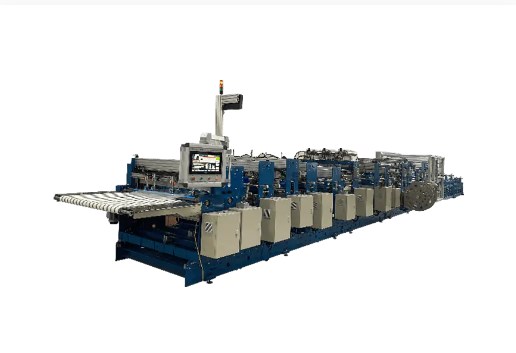
Excellent adaptability to various packaging bag structures
Bag-in-box packaging bags have diverse characteristics in terms of structure and materials, and the intelligent bag-in-box packaging bag manufacturing machine is designed with this in mind. While maintaining the stability of the core structure, the equipment has excellent adaptability to different specifications and interface types of bags. Through reasonable structural adjustments and parameter settings, it can successfully complete the manufacturing tasks of various bag-in-box bag types.
This flexibility gives the equipment higher utilization in practical applications, allowing it to continue to provide value as product lines change, avoiding frequent equipment replacement due to changes in packaging formats.
A reliable manufacturing philosophy starting from details
A truly high-quality intelligent bag-in-box packaging bag manufacturing machine is often reflected in its stability and consistency during long-term operation. The equipment emphasizes durability and precision maintenance capabilities in key transmission parts and working nodes, enabling the entire machine to maintain a stable state even in high-intensity operating environments. The combination of a stable mechanical structure and reliable control logic ensures that every packaging bag maintains a similar quality level.
This design philosophy, starting from manufacturing details, makes the equipment not only a production tool but also an important foundation for ensuring brand packaging quality.
FAQ
What production problems does the intelligent bag-in-box packaging bag manufacturing machine mainly solve?
It effectively solves problems such as unstable bag formation, insufficient welding strength, and poor production consistency, providing a reliable bag body foundation for bag-in-box packaging.
How does this equipment affect the quality of packaging bags?
It mainly affects the dimensional accuracy of the bag body, the sealing of the welds, and the overall flatness of the appearance. These factors are directly related to subsequent filling and safety of use.
What core performance aspects should be considered when choosing an intelligent bag-in-box packaging bag manufacturing machine?
Emphasis should be placed on the equipment's forming stability, welding system reliability, and automation control level. These performances determine the quality and efficiency of long-term production.
RELATED PRODUCTS
-
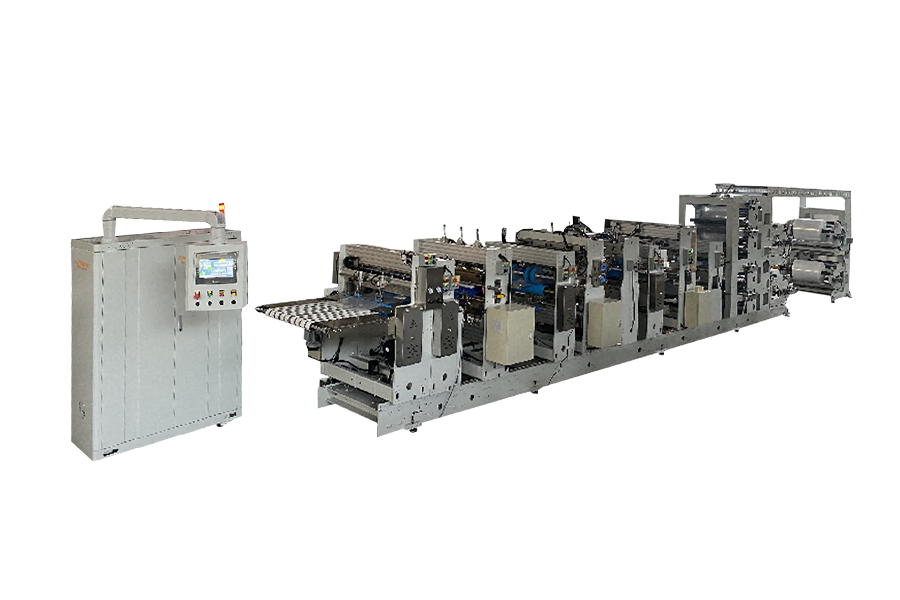
DLP-600 intelligent BIB bag-in-box bag making machine
The DLP-600BIB Box-in-Bag Intelligent Bag-Making Machine is ... View More
-
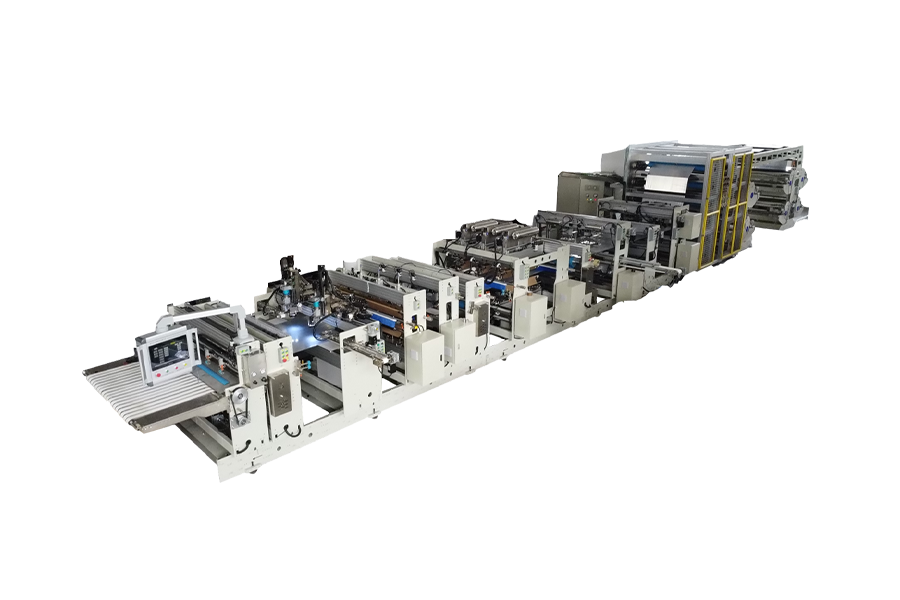
DLP-1600 intelligent BIB bag-in-box bag making machine
The DLP-1600BIB Box-in-Bag Intelligent Bag-Making Machine is... View More
-
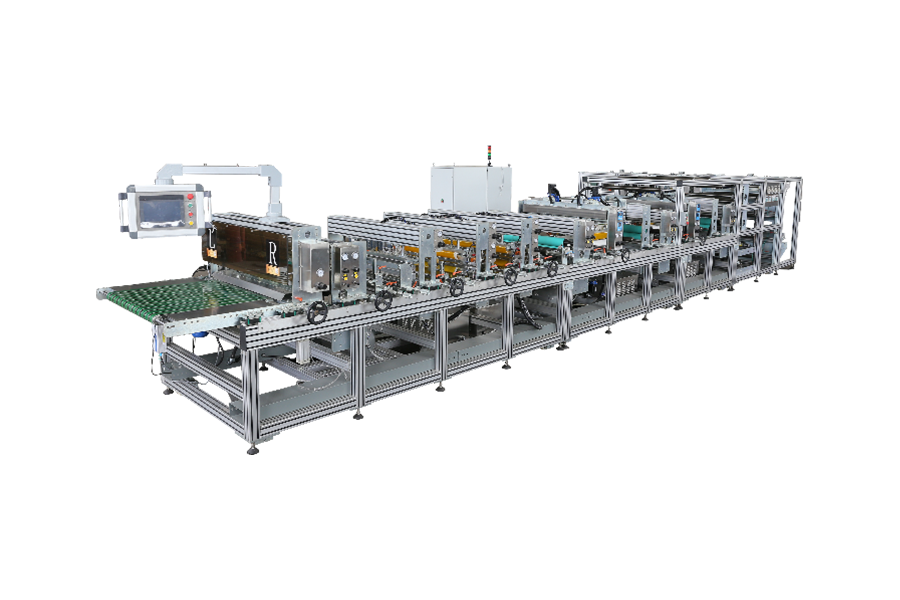
DLP-1300DD medical high temperature sterilization pouch/header bag making machine
DLP-1300 medical high temperature sterilization bag/header b... View More
-
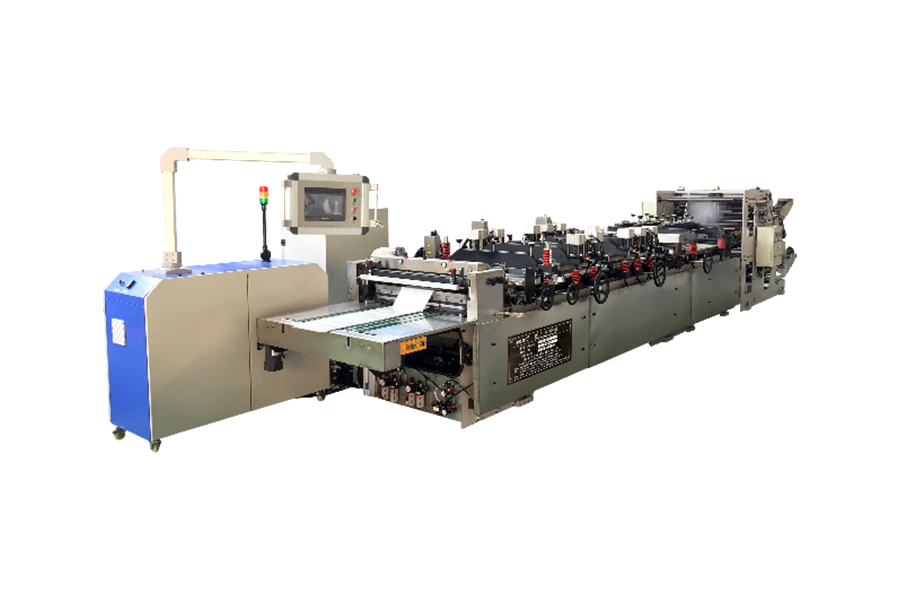
DLP-600 medical paper plastic composite bag making machine
DLP-600 medical paper-plastic bag making machine is suitable... View More
-
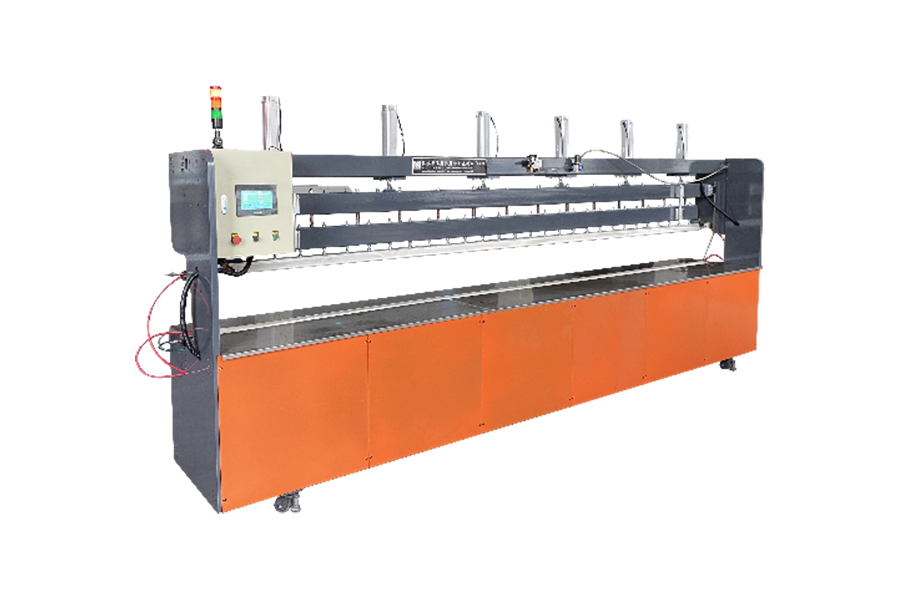
DLP-4500 sealing machine
The DLP-4500 sealing machine is in particular designed to se... View More
-
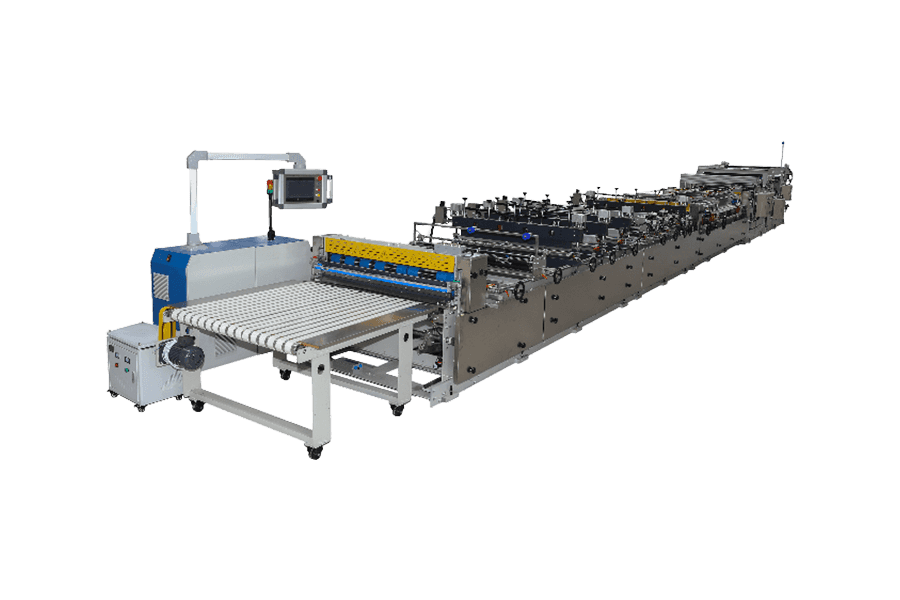
DLP-1300 vacuum storage compression bag making machine
The DLP-1300 vacuum compression bag making machine uses adva... View More
-
PHONE
+86-13606731195 (Mr. Xu)
-
EMAIL
-
ADDRESS
East side of Industry Road and north side of Pandan Road, Tongxiang Economic Development Zone (Gaoqiao Street), Jiaxing City, Zhejiang Province, China
-
FOLLOW US