English
 中文简体
中文简体 русский
 Español
News

CALL OUR OFFICE
+86-13606731195 (Mr. Xu)
What are the main differences between a PLC-controlled Medical Bag Making Machine and a traditional machine?
In the world of medical manufacturing, the PLC Control Medical Bag Making Machine has become a standard for enhancing efficiency, precision, and consistency. Understanding the key differences between PLC Control Medical Bag Making Machines and traditional machines is crucial for manufacturers who seek to optimize their production lines. This article explores these differences, focusing on automation, precision, flexibility, maintenance, and cost-effectiveness, all with a specific focus on medical bag production.
1. Basic Concepts of PLC Control and Traditional Machines
1.1 Overview of PLC Control Systems
The PLC Control Medical Bag Making Machine relies on a programmable logic controller (PLC) that integrates various mechanical and electronic systems to automate and control the entire production process. This system is programmed to control machine actions like cutting, sealing, and forming with high accuracy and speed. By using predefined programs, PLC systems can handle complex tasks and adapt quickly to changing production requirements.
1.2 Working Principles of Traditional Machines
Traditional medical bag making machines typically operate through manual or mechanical controls. These machines rely heavily on human input to adjust settings, monitor production, and troubleshoot issues. These machines use mechanical switches, levers, and other manual components to control production processes like bag formation and sealing. The downside is the higher potential for human error, slower setup times, and reduced consistency.
Comparison Table:
| Aspect | PLC Control Machine | Traditional Machine |
| Control Method | Automated with a programmable logic controller | Manual/Mechanical operation |
| Precision | High precision through automated programming | Depends on manual adjustments, prone to error |
| Flexibility | Flexible with easy reprogramming for different products | Less flexible, difficult to change production parameters |
| Setup Time | Shorter setup time due to automated controls | Longer setup time requiring manual adjustments |
2. Advantages of PLC Control Medical Bag Making Machines
2.1 Automation and Precision Control
The primary advantage of the PLC Control Medical Bag Making Machine is its ability to automate the production process. Automation ensures consistency across every bag produced, maintaining high-quality standards throughout the production run. In contrast, traditional machines require constant monitoring and manual intervention, which can lead to inconsistencies and errors.
2.2 Real-time Data Monitoring and Feedback
PLC-controlled machines continuously monitor key production metrics such as speed, temperature, and sealing pressure. This data is fed back into the system, allowing real-time adjustments and detailed analysis to optimize performance. Traditional machines, however, lack this level of automated feedback and often require human operators to manually monitor these variables, increasing the chances of human error.
2.3 Increased Production Efficiency
The automated nature of the PLC control system allows it to operate at higher speeds with fewer interruptions. In comparison, traditional machines often require more downtime for manual adjustments, maintenance, and troubleshooting, which slows down production and leads to inefficiency.
3. Flexibility and Adaptability of PLC-Controlled Machines
3.1 Programmatic Adjustments for Flexible Production
One of the standout features of the PLC Control Medical Bag Making Machine is its flexibility. These machines can be easily reprogrammed to produce different types of medical bags, from small disposable pouches to large blood transfusion bags, with minimal downtime. In contrast, traditional machines often require physical adjustments to change the bag size or design, leading to longer setup times and potential errors.
3.2 Compatibility and Upgrades
PLC systems offer greater compatibility with existing production lines and future upgrades. It is relatively easy to integrate a new PLC system or update software to meet evolving production needs. Traditional machines, on the other hand, often require extensive mechanical changes to accommodate new products or increase capacity, making them less adaptable in the long term.
4. Operator Requirements: PLC Control vs Traditional Machines
4.1 User Interface of PLC Systems
The user interface of a PLC-controlled machine typically includes a touchscreen or computer interface that is easy to operate. Operators only need basic training to manage the system, as the interface provides clear instructions and prompts for machine setup, adjustments, and diagnostics. This is a significant improvement over traditional machines, where operators often need in-depth training to handle mechanical controls and troubleshoot issues manually.
4.2 Traditional Machine Operation
Traditional machines usually require more skilled labor to operate effectively. Operators need to manually adjust settings, monitor production rates, and identify potential problems, which can lead to human error if not handled carefully. Additionally, because these machines lack automated diagnostics, troubleshooting is more difficult and time-consuming.
5. Maintenance and Troubleshooting: PLC Control vs Traditional Machines
5.1 Self-diagnosis and Alerts
Modern PLC systems come equipped with self-diagnostic features that can detect faults in real-time and alert the operator immediately. This significantly reduces downtime and helps ensure continuous production. PLC systems can also log error codes, which simplifies troubleshooting and maintenance procedures.
5.2 Maintenance in Traditional Machines
In traditional machines, identifying and resolving issues can take much longer because operators must rely on their expertise and manual inspections. The lack of automated fault detection means that maintenance schedules can often be overlooked, leading to costly repairs and extended downtime.
Comparison Table:
| Aspect | PLC Control Machine | Traditional Machine |
| Maintenance | Self-diagnostic with real-time alerts | Manual inspection and repair |
| Downtime | Minimized due to automated fault detection | Higher due to reliance on manual diagnostics |
| Maintenance Costs | Lower over time due to fewer breakdowns | Higher due to frequent repairs and labor costs |
6. Cost Effectiveness: PLC Control vs Traditional Machines
6.1 Long-Term Value of PLC-Controlled Machines
While the initial cost of a PLC Control Medical Bag Making Machine may be higher, the long-term benefits far outweigh this initial investment. Reduced labor costs, increased production speed, and fewer quality control issues result in higher overall savings over time. Additionally, the efficiency gains from automation lead to a quicker return on investment (ROI).
6.2 Cost Comparison with Traditional Machines
Traditional machines, although cheaper upfront, tend to incur higher operating costs due to increased labor, more frequent repairs, and longer setup times. Over time, these machines can become more expensive to maintain, leading to a lower ROI compared to PLC-controlled machines.
7. Future Outlook: PLC Control in the Medical Bag Making Industry
7.1 Industry Trends
The medical bag manufacturing industry is increasingly leaning toward automation and smart manufacturing solutions. As PLC systems integrate with IoT (Internet of Things) technologies and AI, the ability to monitor and optimize production in real-time will continue to evolve, driving further efficiencies and product quality improvements.
7.2 Meeting Evolving Market Demands
The adaptability of PLC Control Medical Bag Making Machines allows manufacturers to easily pivot to meet changing demands. Whether it's altering bag sizes, changing materials, or enhancing product features, PLC systems provide the flexibility needed for modern manufacturing environments.
Conclusion
The difference between PLC Control Medical Bag Making Machines and traditional machines lies not only in the degree of automation but also in the impact on production efficiency, flexibility, and long-term cost-effectiveness. While traditional machines still have a place in some markets, the future of medical bag production is undoubtedly moving towards PLC-controlled solutions. For manufacturers seeking to optimize their operations, upgrading to a PLC-based system is a sound investment that will lead to greater efficiency and product quality.
FAQs
- What is the main advantage of using a PLC control system in medical bag production? The main advantage is automation, which ensures higher precision, faster production, and lower human error.
- How does a PLC-controlled machine compare to a traditional machine in terms of maintenance? PLC-controlled machines are more efficient with automated self-diagnostics, leading to reduced downtime and easier maintenance.
- Can PLC-controlled medical bag making machines handle different bag types? Yes, they offer flexibility, allowing manufacturers to easily adjust machine settings to produce various types of medical bags.
- Is the initial cost of a PLC-controlled machine worth it? While the initial investment is higher, the long-term savings in labor, efficiency, and quality control make it a cost-effective solution.
- What industries can benefit from PLC-controlled medical bag making machines? Industries such as healthcare, pharmaceuticals, and biotechnology that require high-quality, consistent medical bags can benefit significantly.
RELATED PRODUCTS
-
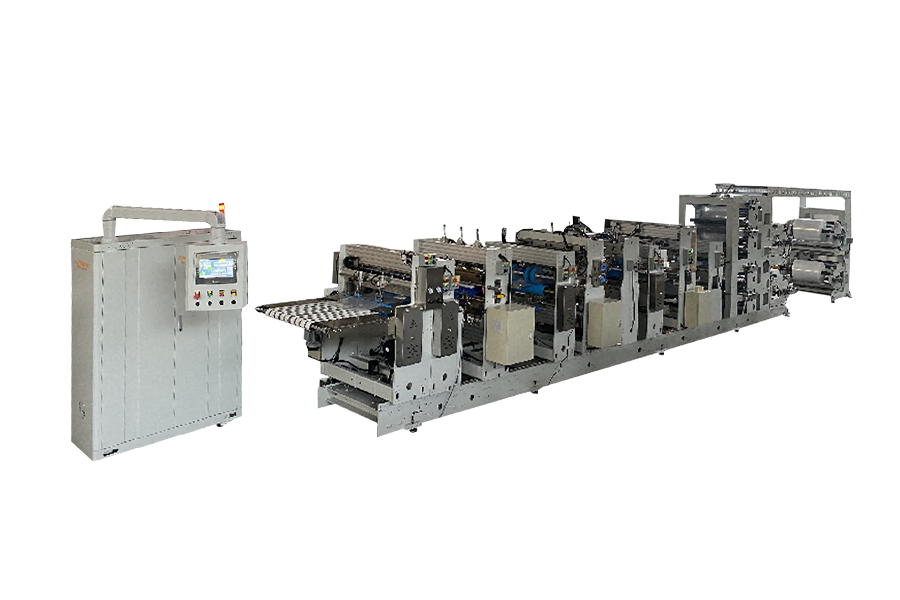
DLP-600 intelligent BIB bag-in-box bag making machine
The DLP-600BIB Box-in-Bag Intelligent Bag-Making Machine is ... View More
-
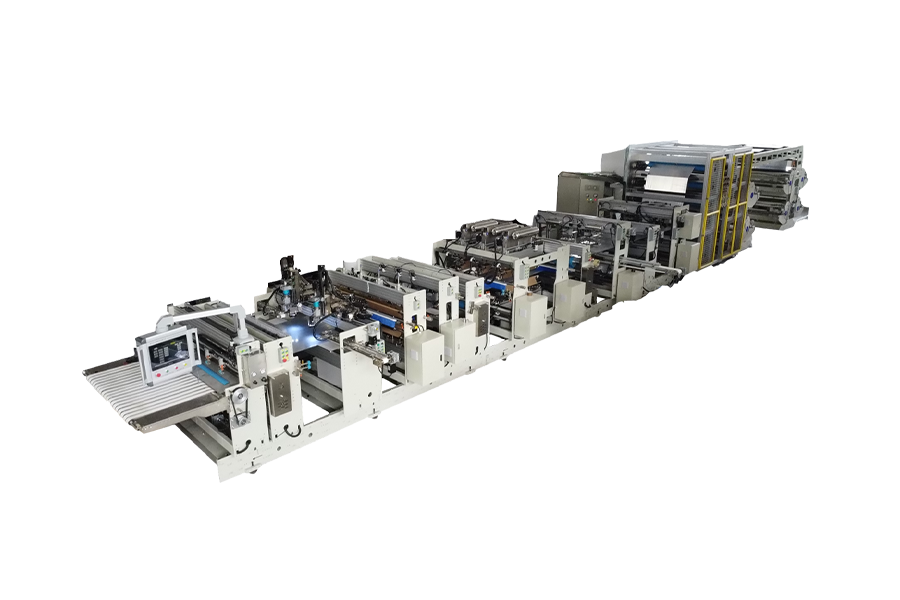
DLP-1600 intelligent BIB bag-in-box bag making machine
The DLP-1600BIB Box-in-Bag Intelligent Bag-Making Machine is... View More
-
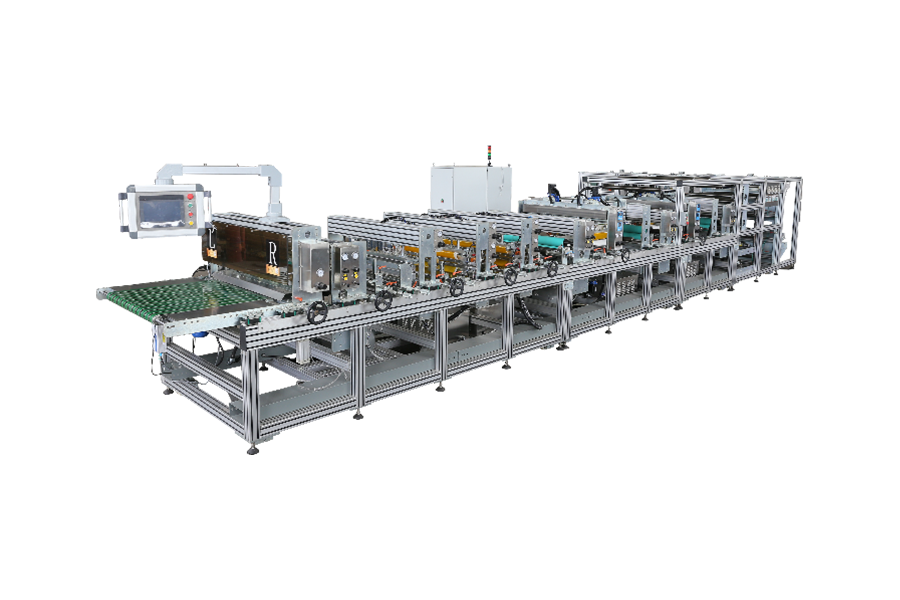
DLP-1300DD medical high temperature sterilization pouch/header bag making machine
DLP-1300 medical high temperature sterilization bag/header b... View More
-
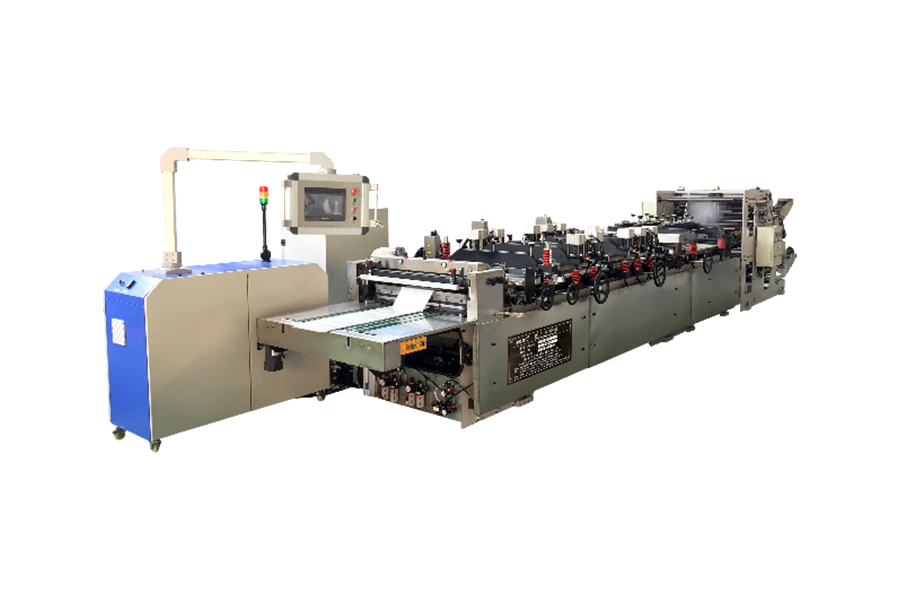
DLP-600 medical paper plastic composite bag making machine
DLP-600 medical paper-plastic bag making machine is suitable... View More
-
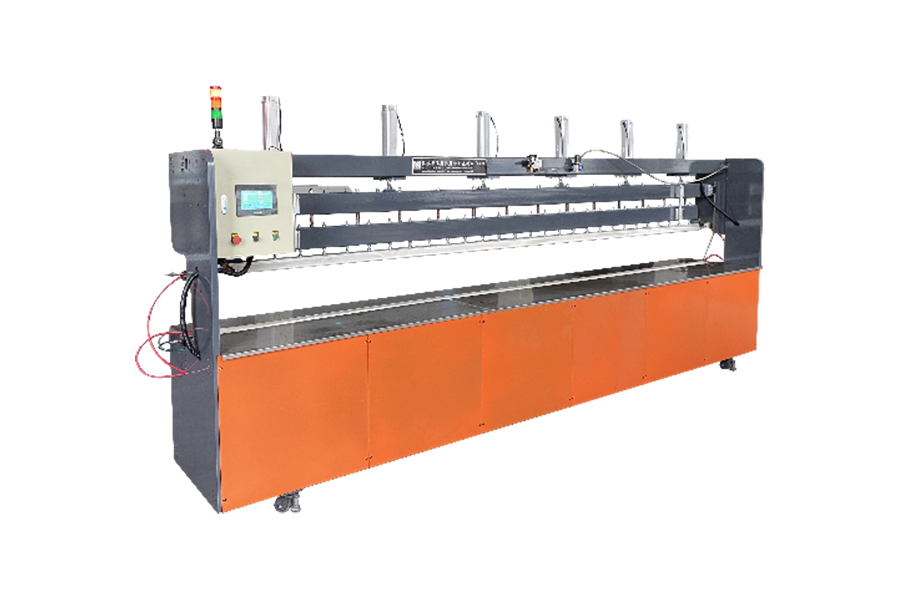
DLP-4500 sealing machine
The DLP-4500 sealing machine is in particular designed to se... View More
-
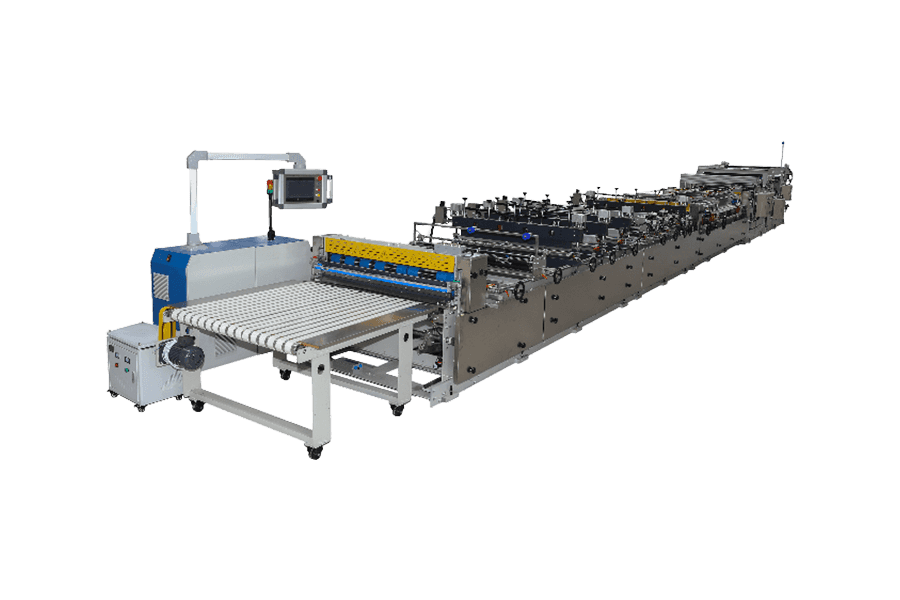
DLP-1300 vacuum storage compression bag making machine
The DLP-1300 vacuum compression bag making machine uses adva... View More
-
PHONE
+86-13606731195 (Mr. Xu)
-
EMAIL
-
ADDRESS
East side of Industry Road and north side of Pandan Road, Tongxiang Economic Development Zone (Gaoqiao Street), Jiaxing City, Zhejiang Province, China
-
FOLLOW US